
Imagine a world where the essence of humanity and the tranquility of Zen coexist seamlessly. Humanism, with its focus on human potential and ethical living, meets the serene wisdom of Zen philosophy, which encourages mindfulness and direct experience. This fascinating intersection invites us to explore not just their similarities and differences, but how they can enrich our lives together. Ready to dive into a dialogue that could transform your perspective? Let’s uncover the wisdom and existentialism waiting at this crossroads!
Definition and Historical Context of Humanism and Zen Philosophy

Humanism, which originated during the Renaissance, places a strong emphasis on human reason and ethics, prioritizing them over religious dogmas. This movement laid the groundwork for modern secular thought and philosophical inquiry.
Influential figures such as Erasmus championed the importance of education and critical thinking, advocating for the study of classical texts to foster both moral and intellectual development.
The focus of humanism had a profound impact on the Enlightenment, inspiring prominent thinkers like Voltaire and Rousseau. These philosophers built upon humanist ideals to question and challenge traditional authority.
By promoting skepticism, valuing human experience, and embracing introspection, humanism has significantly shaped contemporary perspectives on individual rights and the role of reason in society.
Key Principles of Humanism
The core principles of humanism encompass a belief in human dignity, the significance of ethical values, and a commitment to reason and compassion. These guiding principles and moral values help individuals navigate their way toward a fulfilling life.
Human dignity and the essence of spirituality underscore the importance of respecting every person, affirming their inherent worth regardless of their circumstances. Ethical values provide a foundation for moral behavior, outlining our responsibilities toward one another. Reason promotes critical thinking, encouraging well-considered choices in various aspects of life.
Compassion fosters empathy, cognitive empathy, and support for those in need, strengthening community connections. Additionally, the pursuit of personal growth motivates individuals to continually develop and improve themselves, ultimately contributing to the betterment of society as a whole.
Overview of Zen Philosophy
Zen philosophy provides valuable insights into the essence of existence, highlighting the significance of mindfulness and the necessity of direct personal experience.
This approach encourages individuals to engage deeply with their own experiences, fostering a greater understanding of themselves and the world around them.
Origins and Development
Zen emerges from the rich fusion of Indian Buddhism and Chinese Taoism, placing a strong emphasis on meditation as a means to attain enlightenment and understand one’s true nature.
The journey of Zen began in India around the 6th century, led by figures such as Bodhidharma, who ventured to China and introduced Chan Buddhism. This form of Buddhism focused on gaining direct insight through meditation.
By the 8th century, this practice had firmly established itself, with influential masters like Huineng helping to shape its fundamental principles.
The 12th century marked a significant turning point with Zen’s arrival in Japan, where it adapted and evolved into distinctive schools such as Rinzai and Soto. This transformation mirrored the local culture and emphasized meditation and simplicity as core tenets.
Ultimately, these principles significantly influenced various art forms, including tea ceremonies, Zen aesthetics, and landscaping.
Core Concepts of Zen
Core concepts of Zen include mindfulness, non-duality, and the practice of letting go, each contributing to a deeper understanding of reality.
Mindfulness places emphasis on being aware of the present moment and cultivating gratitude, encouraging individuals to engage fully with their experiences instead of ruminating on the past or worrying about the future.
Non-duality highlights the interconnectedness of all beings, which fosters empathy and diminishes feelings of separation. Letting go involves the process of releasing attachments to thoughts and material possessions, ultimately leading to greater peace and freedom.
Meditation practices, such as breath-focused techniques or guided imagery, provide practical methods to cultivate these concepts and nurture self-awareness. These practices enhance one’s ability to stay present, perceive unity, and embrace a more liberated existence.
Comparative Analysis of Humanism and Zen

Humanism and Zen both offer deep insights into ethical living and existential questions and the human experience, but they differ considerably in their foundational worldviews.
Similarities in Ethical Perspectives
Humanism and Zen share a common ground when it comes to ethical values, particularly the importance of compassion. Both philosophies highlight the interconnectedness of all beings and stress the significance of empathy.
They emphasize the value of being compassionate towards others, encouraging individuals to be aware of the struggles faced by those around them. For example, practicing active listening can lead to a deeper understanding of one another’s experiences.
The focus on community is also crucial. Community service initiatives serve as excellent examples of how we can support our neighbors, embrace the interconnected existence, and strengthen our social bonds.
Moreover, recognizing the uniqueness of each individual’s experience is essential. Sharing personal stories, as often seen in support groups, can be a powerful means of fostering connection and understanding among diverse perspectives.
Differences in Worldview
While humanism typically advocates for secular reasoning, Zen takes a more mystical stance, emphasizing the direct experience of non-duality. This distinction leads to notable differences in worldview.
For example, humanism prioritizes individual agency and encourages personal responsibility in moral decision-making.
On the other hand, Zen underscores the concept of interconnectedness, suggesting that our actions have a broader impact on the whole.
Humanism often depends on rational inquiry and empirical evidence to understand existence, whereas Zen leans towards meditative intuition, inviting practitioners to delve into their inner selves through mindfulness and introspection.
Recognizing these differences allows for a deeper appreciation of how each philosophy uniquely addresses the fundamental questions of life.
Practical Applications of Humanism and Zen
The practical applications of humanism and Zen have the potential to significantly transform both personal and community experiences.
By emphasizing well-being, ethical living, and human potential, these philosophies can guide individuals and groups toward more fulfilling lives.
Mindfulness and Humanistic Psychology
Integrating mindfulness into humanistic psychology significantly enhances self-awareness, emotional intelligence, and consciousness, which in turn contributes to improved mental health outcomes.
Psychologists often utilize specific methods to facilitate this integration and encourage psychological resilience. For example, practicing mindful self-reflection involves setting aside time each day to contemplate personal experiences, thereby increasing emotional awareness.
Additionally, empathy training, such as role-playing exercises, provides practitioners with a deeper understanding of their clients’ perspectives. Therapeutic techniques like mindfulness meditation can also be incorporated into sessions, encouraging clients to focus on the present moment.
Notable figures in this field, such as Dr. Jon Kabat-Zinn, illustrate how these strategies can lead to considerable improvements in emotional regulation and interpersonal relationships.
Community Engagement and Zen Practice
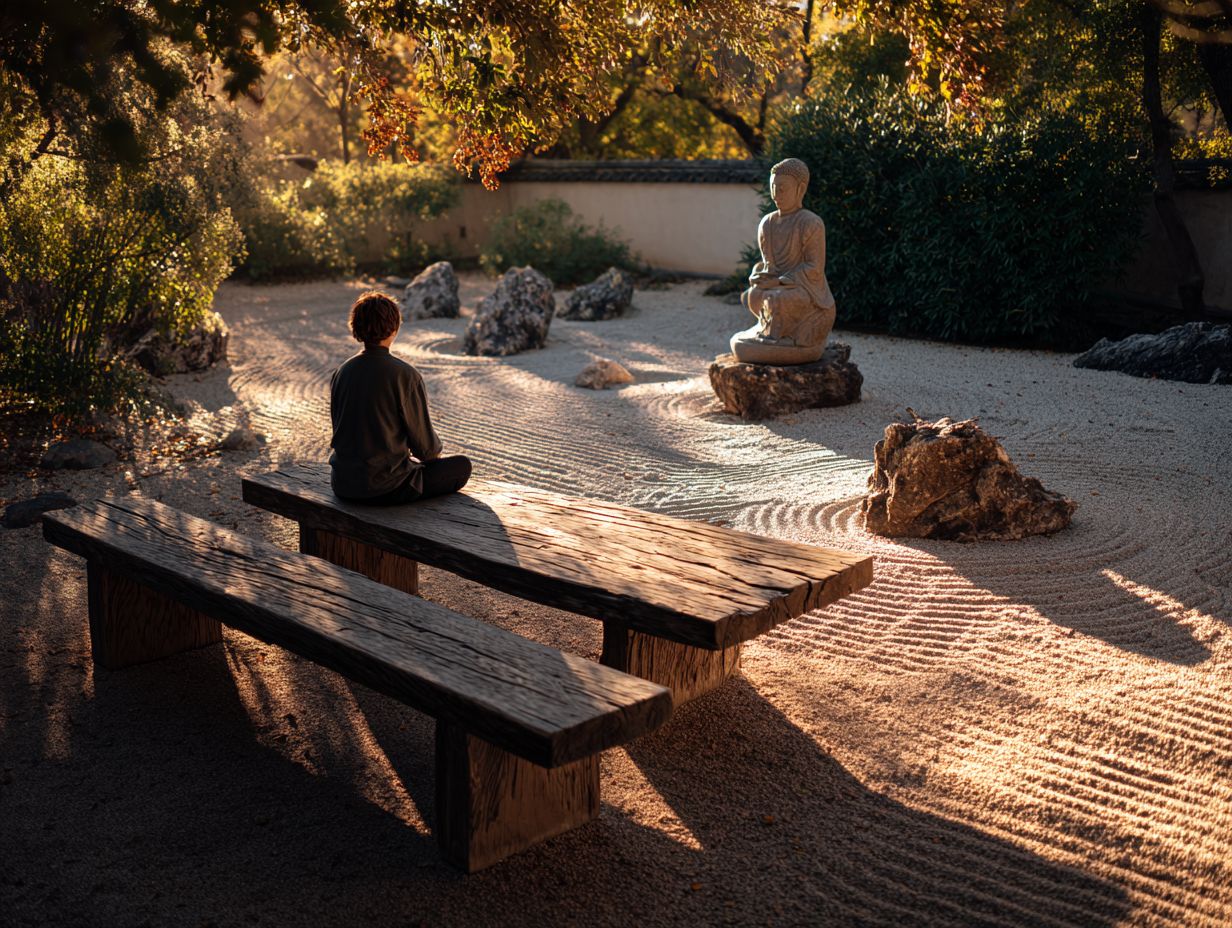
Zen practice encourages individuals to engage with their communities through compassionate actions, promoting collective well-being and a sense of social responsibility.
Incorporating Zen principles into community spaces can take a variety of forms, reflecting cultural context. For instance, organizations like The Zen Life & Meditation Center offer volunteer meditation sessions, inviting local residents to participate and explore the practice of mindfulness. Additionally, the Zen Community of Oregon has created serene Zen gardens in local parks, providing peaceful areas for quiet reflection.
Compassionate outreach programs, such as those facilitated by the Mindful Schools initiative, foster connections by introducing mindfulness education in schools. By combining these elements, communities can cultivate an atmosphere of peace and compassion, ultimately benefiting all members involved.
The Role of Individual Experience
The focus on individual experience sets humanism and Zen apart, underscoring the importance of personal agency and the value of direct engagement with reality.
Humanism’s Focus on Personal Agency
Humanism places a strong emphasis on personal agency, enabling individuals to take responsibility and embrace freedom for their actions and actively shape their own destinies.
To cultivate personal agency and human agency, educators and psychologists can employ several specific techniques. One effective approach is goal-setting, which involves helping individuals identify clear and achievable targets. For example, a student might set a goal to enhance their math grades by committing to 30 minutes of practice each day.
Additionally, self-reflection plays a crucial role in this process, encouraging individuals to evaluate their progress and modify their strategies as needed. Tools such as journaling or structured reflection exercises can facilitate this journey of personal transformation, allowing individuals to internalize their learning experiences and bolster their sense of control over their lives.
Zen’s Emphasis on Direct Experience and the Present Moment
Zen Philosophy emphasizes the importance of direct subjective experience through practices such as meditation, enabling individuals to gain insights that go beyond mere intellectual understanding and foster inner peace.
Two fundamental Zen practices that embody this philosophy are zazen and the contemplation of Zen koans, both essential for spiritual growth and nurturing a Zen mind.
Zazen, which refers to seated meditation, encourages practitioners to focus on their breath, fostering a sense of mindfulness, presence, and acceptance of change. Many individuals discover that dedicating just 20 minutes each day to zazen can significantly alleviate existential suffering and promote peace of mind.
On the other hand, engaging with Zen koans-paradoxical questions or statements-challenges the mind to break free from conventional thought patterns. For example, contemplating the question, “What is the sound of one hand clapping?” can lead individuals to profound realizations and a deeper understanding of the nature of reality.
Both practices are essential for those who are seeking deeper awareness, insight, and the transformative practices that can lead to liberation from the constraints of identity and dualism.
Potential for Mutual Enrichment through Human Values
Integrating Humanism with Zen practices can significantly enhance compassion and promote deeper personal growth, emphasizing compassion-based living and the reverence for life. To initiate this integration, one might consider incorporating daily mindfulness exercises that emphasize empathy and embrace the simplicity in life.
For example, setting aside ten minutes each morning for meditation focused on loving-kindness can be quite beneficial for nurturing love and compassion. During this time, you would silently wish well for yourself and others. Additionally, actively practicing compassion cultivation through community service or volunteer work can further enrich your experience and contribute to holistic wellness.
Journaling about your experiences can serve as an excellent tool for tracking your personal growth and the development of virtue over time. Consider utilizing resources like the Headspace app for guided meditations or the Journal feature on Notion to organize your reflections effectively, promoting a deeper human connection and intentional living.
By prioritizing these practices, you can cultivate a richer inner life, foster greater connectivity with those around you, and achieve a dynamic balance between non-attachment and relationality.
Frequently Asked Questions

What is the intersection of Humanism and Zen Philosophy in the context of the human condition?
The intersection of Humanism and Zen Philosophy is the combination of two distinct philosophical traditions that both focus on individualism, personal growth, and self-awareness, promoting a holistic understanding of the self.
How do Humanism and Zen Philosophy complement each other?
Humanism emphasizes critical thinking, human rights, and reason, while Zen Philosophy focuses on intuition, mindfulness, and acceptance. Together, they provide a dynamic balance between logic and intuition in approaching life’s challenges, contributing to existential balance.
What are the main principles of Humanism and Zen Philosophy?
Humanism values human potential, creativity, and the importance of ethical and moral philosophy in decision-making. Zen Philosophy emphasizes living in the present moment, practicing non-attachment, and letting go of attachment to thoughts and desires, leading to quietude and transcendence.
How does the intersection of Humanism and Zen Philosophy impact personal development?
The intersection of these two philosophies encourages individuals to find their own unique path to self-discovery and personal growth through self-cultivation, rather than conforming to societal expectations or dogmatic beliefs, achieving harmony and spiritual growth.
Can one follow both Humanism and Zen Philosophy simultaneously?
Yes, many individuals find that incorporating principles from both Humanism and Zen Philosophy into their daily lives leads to a more holistic, fulfilling, and transcendental experience that promotes authenticity in relationships.
What practical benefits can be gained from understanding the intersection of Humanism and Zen Philosophy?
Understanding the intersection of these two philosophical traditions can help individuals become more self-aware, improve their decision-making skills, and cultivate a sense of inner peace, contentment, and fulfillment, fostering a Zen approach to life.