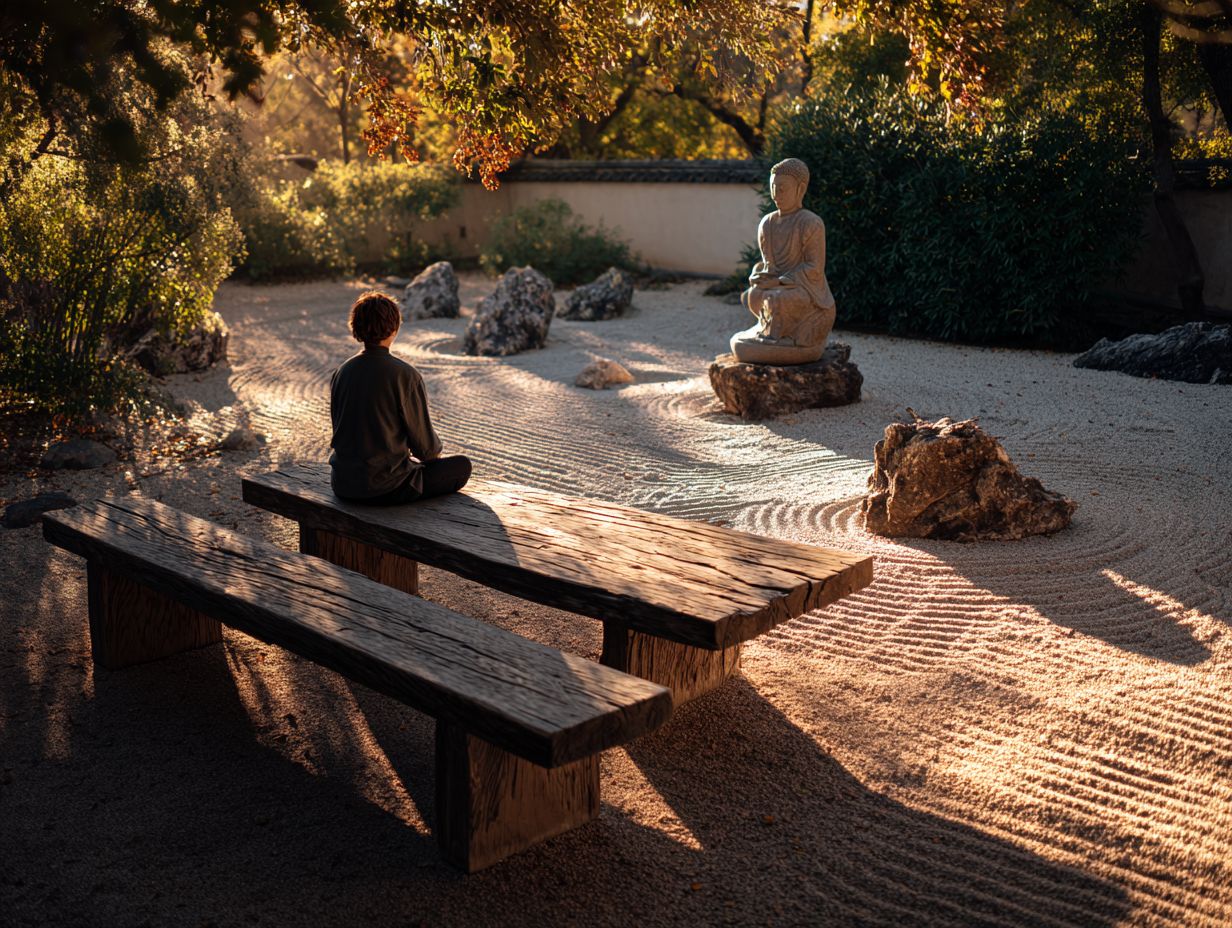
Master Mindful Breathing: A Beginner’s Guide to Peaceful Practice

Feeling overwhelmed and anxious? You’re not alone. Mindful breathing is a powerful tool that can help you find calm amidst the chaos. By understanding its purpose and benefits, preparing your space, and learning simple techniques, you’ll be well on your way to creating a practice that fits seamlessly into your life. Plus, we’ll tackle common challenges you might face along the way. Ready to take a deep breath and dive in? Let’s explore!

Definition and Purpose

Definition and Purpose

Mindful breathing, which is essentially the practice of paying attention to one’s breath without judgment, serves as an entry point to more advanced mindfulness practices, such as meditation and stress management.

Engaging in mindful breathing involves concentrating on your inhalations and exhalations while allowing thoughts to gently drift away, promoting a deep sense of awareness. It is advisable to start with just five minutes each day, gradually increasing the duration as you become more comfortable with the practice.

Research indicates that individuals who consistently practice mindful breathing have experienced a remarkable 30% reduction in stress levels, contributing to improved mental clarity and emotional balance.

There are various techniques available, such as the 4-7-8 method, which entails inhaling for four seconds, holding the breath for seven seconds, and then exhaling over eight seconds.

Additionally, utilizing apps like Headspace or Calm can provide guided meditation sessions that help you stay on track and deepen your mindfulness practice.

Benefits of Mindful Breathing

Practicing mindful breathing has been shown to reduce anxiety levels by 40%, which greatly enhances emotional well-being and fosters a sense of tranquility, ultimately promoting a mindful living experience.

To incorporate mindful breathing into your daily routine, consider starting with some simple techniques. Dedicate five minutes each morning to focus on your breath; inhale deeply through your nose, hold it for a moment, and then exhale slowly through your mouth.

You might find tools like the Headspace app helpful, as they can guide you through your sessions, making the practice more accessible. Using a timer can also help you maintain consistency while gradually increasing the duration of your practice.

Research indicates that regular mindful breathing not only alleviates anxiety but also improves overall focus, making it a valuable component of effective stress management routines.

Preparing for Your Practice

Establishing a conducive environment is crucial for a successful mindful breathing practice. This setting allows you to focus on your breath effectively and relax as intended, fostering a state of inner peace and connection.

Choosing a Comfortable Space

Choose a peaceful environment that is free from distractions, allowing you to sit comfortably for at least 10 to 20 minutes each day. To make the most of this time for relaxation and focus techniques, consider implementing a few straightforward strategies.

Begin by eliminating digital distractions; silence your phone and close any unnecessary tabs on your computer. You may also want to incorporate soothing elements, such as soft music or the sounds of nature, to create a calming atmosphere.

Additionally, using a meditation app like Headspace or Calm can be quite beneficial, as these apps offer guidance on various relaxation techniques and breathing exercises. Establishing a consistent routine in this serene space can significantly enhance your mindfulness practice over time.

Setting a Regular Schedule

Establishing a regular schedule for mindful breathing is essential, as research indicates that consistency can significantly enhance the benefits of this practice.

To create an effective routine, it is advisable to engage in breathing exercises at the same time each day. You might start with just five minutes in the morning or evening, utilizing apps like Insight Timer or Headspace to set reminders.

As you become more comfortable with the practice, consider gradually increasing your sessions to ten or even twenty minutes. Keeping a journal to track your progress can also be beneficial, as it reinforces the habit and highlights improvements in your stress levels.

Regular practice not only enhances your skills but also significantly boosts your emotional resilience.

Basic Techniques for Mindful Breathing

Basic Techniques for Mindful Breathing

Mastering basic breathing techniques is essential for practicing mindful breathing effectively. This skill enables individuals to improve their overall wellness and enhance their focus.

Diaphragmatic Breathing

Diaphragmatic breathing, often referred to as abdominal breathing, can enhance oxygen intake by as much as 30%. This practice promotes relaxation and effectively reduces stress levels.

To practice this technique effectively, consider following these steps:

  1. Sit or lie down in a comfortable position, placing one hand on your chest and the other on your abdomen.
  2. Inhale deeply through your nose, ensuring that your abdomen rises more than your chest.
  3. Exhale slowly through your mouth, and take note of how your abdomen falls.

It is advisable to practice this for about five minutes each day, gradually increasing the duration as you become more at ease with the technique. Consistency is essential to experiencing the full benefits of this calming practice.

Box Breathing

Box breathing, a technique utilized by Navy SEALs, involves a structured pattern of inhaling, holding, exhaling, and holding the breath, all for equal counts. This method promotes a sense of calmness and enhances focus.

To practice box breathing effectively, you can follow these four steps:

  1. Inhale deeply through your nose for a count of four.
  2. Next, hold your breath for another four counts.
  3. Then, exhale slowly through your mouth for four counts.
  4. Hold your breath again for another four counts before restarting the cycle.

It is advisable to aim for at least five minutes of practice, particularly during stressful situations. This technique has the potential to significantly reduce anxiety and improve overall concentration, making it an essential tool in high-pressure environments.

Incorporating Mindful Breathing into Daily Life

Incorporating mindful breathing into your daily routine can significantly transform your relationship with stress, ultimately enhancing both your emotional and mental well-being.

By taking a few moments each day to focus on your breath, you can cultivate a sense of calm and clarity that positively impacts your overall health.

Short Practices Throughout the Day

Engaging in short, 1-3 minute mindful breathing sessions throughout the day can be quite beneficial for maintaining emotional balance and reducing anxiety. It’s effective to incorporate these sessions into your daily routine by setting reminders on your phone.

For instance, consider taking a mindful break during lunch to focus on your breathing or practicing in your car before work to foster a calm mindset.

Additionally, utilizing apps like Insight Timer or Headspace for guided breathing exercises can enhance your practice by offering structured methods. Over time, these brief practices can accumulate, leading to improved focus and a significant reduction in stress levels.

Using Mindful Breathing During Stressful Moments

Using Mindful Breathing During Stressful Moments

Utilizing mindful breathing techniques during stressful situations can effectively reduce anxiety levels by up to 50%, providing a soothing effect. To fully harness these benefits, consider practicing diaphragmatic breathing prior to a presentation. This involves inhaling deeply for a count of four, holding the breath for another count of four, and then exhaling slowly for a count of six.

In moments of conflict, box breathing can be particularly beneficial. This technique entails inhaling for four counts, pausing for four counts, exhaling for four counts, and then pausing for another four counts. Practicing these techniques in real-time can significantly alleviate stress.

For additional relief, visualize a peaceful scene, such as a tranquil beach, while you breathe. This imagery can enhance the calming effects of your breathing techniques.

Common Challenges and Solutions

Although the benefits of mindful breathing are numerous, practitioners frequently face challenges that can impede their progress.

Dealing with Distractions

Distractions during mindful breathing can greatly diminish its effectiveness, but there are specific strategies one can employ to regain focus.

  1. To begin, consider using noise-canceling headphones, such as the Bose QuietComfort 35, to reduce background noise.
  2. It is also beneficial to establish a designated practice time each day, ideally in a quiet location free from interruptions.
  3. Incorporating mindfulness apps like Calm can further enhance your sessions by offering guided breathing exercises and soothing background sounds that promote concentration.

By combining these practices, you can create a structured environment that facilitates the development of a consistent mindfulness routine.

Maintaining Consistency

Maintaining a consistent mindful breathing practice can indeed be challenging, yet it is essential for fully reaping its benefits. To build and sustain your practice, consider the following methods:

  1. Create a habit tracker using apps such as Habitica or Strides. These tools can help you monitor your progress and keep you motivated.
  2. Pair your breathing exercises with a daily ritual, such as your morning coffee or evening relaxation, to reinforce the habit.
  3. Set specific goals aimed at gradually increasing the duration of your practice. For instance, you might start with just five minutes a day and then add an extra minute each week.

This structured approach not only fosters consistency but also maximizes the overall health benefits and rejuvenation of your mindful breathing practice.

Resources for Further Learning and Self-Discovery

To enhance your understanding of mindful breathing and its numerous mindfulness benefits, consider exploring the following curated resources, which include books, apps, and websites:

  1. The Miracle of Mindfulness by Thich Nhat Hanh provides practical mindfulness exercises designed to cultivate presence and awareness.
  2. The Headspace app offers guided meditations and breathing exercises suitable for both beginners and more advanced users, promoting relaxation response and emotional wellness.
  3. Insight Timer boasts an extensive library of free meditation resources, featuring various breathwork techniques and community discussions.
  4. Mindful.org serves as an excellent website, rich with articles, tips, and personal stories that emphasize different practices for incorporating mindfulness principles and positive affirmations into daily life.

Engaging with these resources will certainly enrich your mindfulness journey and promote personal growth.

Frequently Asked Questions

Frequently Asked Questions

What is a mindful breathing practice and breath-based practice?

A mindful breathing practice is a technique that involves focusing on your breath to bring awareness to the present moment, enhancing breath awareness. It can help reduce stress, improve concentration, and promote relaxation and emotional regulation.

Why should I start a mindful breathing practice and breath control exercises?

A mindful breathing practice can provide numerous physical and mental health benefits, such as reducing anxiety, stress relief, and improving overall well-being. It is a simple and accessible way to incorporate mindfulness into your daily routine, enhancing self-care.

How do I begin a mindful breathing practice and grounding techniques?

To begin a mindful breathing practice, find a comfortable seated or lying position and close your eyes. Take slow, deep breaths and focus on the sensation of air entering and leaving your body, practicing body awareness. You can also engage in breath counting or repeat a calming phrase to help focus your mind and set an intention.

How often should I practice mindful breathing and intention setting?

It is recommended to practice mindful breathing for at least 5-10 minutes every day, engaging in conscious breathing. However, even a few mindful moments of mindful breathing throughout the day can be beneficial. The key is to find a routine that works for you and stick to it, supporting cognitive flexibility.

Can I incorporate mindful breathing into my daily activities and mindful transitions?

Absolutely. You can incorporate mindful breathing into everyday tasks such as walking, eating, or even while waiting in line, promoting personal growth. Simply focus on your breath and the present moment, and let go of any distractions or racing thoughts, cultivating mindfulness meditation.

Are there any resources or guided exercises available for a mindful breathing practice and zen approaches?

Yes, there are many resources and guided exercises available, such as books, mobile apps, and online videos, which offer awareness techniques and visualization methods. You can also find local classes or workshops that focus on incorporating mindfulness into your daily life, supporting emotional intelligence. Find what works best for you and make it a part of your routine, enhancing gratitude practice.

Mindful Nutrition: Transform Eating into Spiritual Practice

Imagine transforming every meal into a moment of connection-both with your food and yourself. Mindful nutrition isn’t just about what you eat; it’s a spiritual practice that invites awareness and intention into your dining experience. By exploring the principles of mindful eating, we uncover how this approach can enhance your physical health and emotional well-being. Ready to discover the art of eating with purpose? Let’s dive into how you can nourish your body and soul simultaneously.

Definition and Importance of Conscious Eating

Definition and Importance of Conscious Eating

Mindful eating is a practice that encourages individuals to fully engage with the food they consume, fostering a deeper connection to their bodies and their hunger signals. This approach promotes self-awareness by urging individuals to pay attention not only to what they eat but also to how they eat. Research has demonstrated that practicing mindful eating can lead to healthier food choices and a reduction in binge eating.

To incorporate mindful eating into your routine, consider setting aside distractions during meals, such as smartphones and televisions. Focus on the flavors and textures of your food, and chew slowly to give yourself the opportunity to recognize when you are full.

Additionally, apps like Headspace offer guided meditations specifically designed to enhance mindful eating practices, providing a helpful resource for those looking to cultivate this beneficial habit, including food journaling for personal empowerment.

Connection to Spirituality

The practice of mindful nutrition connects deeply with spirituality by promoting intentional eating, which honors the body-mind connection and fosters emotional healing through spiritual nourishment.

Integrating spiritual practices into mindful eating can truly enhance the overall experience. Begin by taking a moment of gratitude before meals-reflecting on the nourishment that your food provides can be quite powerful.

You might also consider using a food journal to articulate your thoughts and emotions surrounding each meal, which can foster a greater awareness of your choices. Engaging in breathing exercises while eating can help ground you in the present moment, enabling you to savor each bite more fully.

Over time, these practices can significantly improve your relationship with food, transforming it into a spiritually enriching experience.

The Principles of Mindful Eating

The principles of mindful eating focus on cultivating awareness and presence, which are crucial for developing a healthy relationship with food and enriching sensory experiences.

By practicing mindfulness, individuals can truly engage with their meals, leading to greater appreciation and understanding of their eating habits.

Awareness and Presence in Food Experiences

Practicing awareness and presence while eating involves engaging all five senses to fully appreciate the experience, which can significantly enhance satisfaction, promoting healthful eating, and help reduce overeating.

To begin this process, one could start with a sensory mindfulness exercise: before your meal, take a moment to observe the colors, textures, and scents of your food. Breathe deeply, taking in the aroma, and as you eat, direct your attention to the taste and texture of each bite.

It may also be beneficial to utilize tools such as a mindfulness app to set reminders for mealtime awareness or to maintain a food journal to reflect on your thoughts and feelings during meals, enhancing your wellness journey.

By integrating these techniques, individuals can cultivate a deeper connection with their food and promote healthier eating habits.

Listening to Your Body for Intuitive Eating

Listening to your body means becoming attuned to your hunger cues and the emotional triggers associated with food, which can lead to more intuitive and compassionate eating choices.

A valuable strategy for enhancing body awareness is to maintain a food journal. By documenting what you eat along with your emotions and hunger levels throughout the day, you gain insights into your eating habits, promoting intuitive nourishment.

For example, if you find that stress prompts cravings, this awareness allows you to explore healthier coping mechanisms, such as meditation or taking a brief walk. You might also consider using apps like MyFitnessPal or Daylio to effortlessly track this information.

Over time, this practice can help you recognize patterns and make more mindful food choices, ultimately fostering a healthier relationship with food.

Benefits of Mindful Nutrition

Practicing mindful nutrition provides numerous benefits, including improved physical health, digestive health, and enhanced emotional well-being, which together contribute to a more balanced lifestyle and health optimization.

Physical Health Improvements

Physical Health Improvements

Research shows that individuals who practice mindful nutrition tend to experience notable improvements in their physical health, such as effective weight management and a decreased risk of chronic diseases. For example, one study revealed that participants lost an average of 5% of their body weight over a six-month period by incorporating mindful eating practices, which include being attentive to hunger signals and truly enjoying their meals.

To keep track of their progress, individuals might consider using apps like MyFitnessPal or Lose It!. These tools enable users to log their food intake and monitor changes in weight and blood pressure effectively.

Additionally, setting weekly goals and reflecting on eating habits can further support this mindful approach, ultimately leading to lasting health improvements and promoting a healthy lifestyle.

Mental and Emotional Well-being

Adopting mindful nutrition practices has been shown to reduce anxiety and stress related to food, ultimately leading to improved psychological well-being and self-compassion.

To cultivate mindful eating, one should begin by eliminating distractions during meals, such as phones or televisions, which can diminish awareness of hunger cues and disrupt food rituals.

Research suggests that individuals who practice mindfulness may experience up to a 30% reduction in episodes of emotional eating, demonstrating the psychological well-being benefits of mindfulness practices.

Incorporating techniques like deep breathing before meals can help establish a calm mental state. Engaging all your senses while eating-focusing on texture, aroma, and flavor-can significantly enhance the enjoyment of food, grounding you in the present moment and promoting healthier choices.

Practices for Mindful Eating

Integrating mindful eating practices into daily life can significantly enhance mealtime experiences, enabling individuals to develop deeper connections with their food.

This approach encourages one to pay attention to the sensory aspects of eating, fostering a more satisfying and meaningful relationship with meals.

Setting the Table for Mindfulness and Cultural Aspects of Food

Creating a mindful eating environment begins with thoughtfully setting the table, which can significantly enhance the overall dining experience and promote awareness.

To start, consider incorporating natural elements such as fresh flowers or candles, as these additions can bring warmth and tranquility to your space. It is also beneficial to limit distractions by putting away phones and turning off the television, allowing conversations to take center stage.

Encouraging family rituals, such as sharing expressions of gratitude before meals or designating specific nights for family dinners, can further enrich the experience, enhancing emotional connection to food.

By establishing a dedicated meal space free of interruptions, one fosters a deeper connection with both the food and the company, transforming each meal into an opportunity for mindfulness and appreciation.

Slow Eating Techniques

Slow eating techniques encourage individuals to savor each bite, which can enhance satisfaction and promote better digestion. To effectively slow down your eating pace, consider implementing the following strategies:

  1. Set a timer for 15-20 minutes to ensure you take your time. Research suggests that meals extending beyond 30 minutes can lead to greater feelings of fullness.
  2. Use smaller utensils, such as teaspoons, to make each bite feel more substantial.
  3. Practice gratitude before meals by reflecting on the origins of your food. This practice has been linked to increased enjoyment and mindfulness during eating.

These techniques not only improve digestion but also foster a healthier relationship with food, allowing for mindful food choices and culinary mindfulness.

Integrating Mindfulness into Meal Planning

Mindfulness can be effectively incorporated into meal planning by selecting nutrient-dense foods that nourish both the body and mind, supporting sustainable nutrition and ethical eating.

Additionally, it is important to consider sustainability in these choices.

Choosing Nutrient-Dense Foods

Choosing Nutrient-Dense Foods

Selecting nutrient-dense foods can greatly improve overall wellness by providing the essential vitamins and minerals our bodies need for optimal functioning.

To incorporate more nutrient-dense foods into your meals, consider adding leafy greens like spinach and kale to your salads or smoothies. Whole grains, such as quinoa and brown rice, also make excellent bases for various dishes.

Following USDA guidelines, aim to fill half of your plate with fruits and vegetables at every meal.

Additionally, experimenting with recipes that showcase these ingredients can be quite rewarding. For instance, a quinoa salad topped with roasted vegetables or a morning smoothie blended with kale and banana can be both delicious and nutritious.

Remember, small changes in your diet can lead to significant health benefits over time.

Seasonal and Local Eating

Eating seasonally and locally not only supports sustainable agriculture but also enhances the quality and taste of food, fostering a deeper connection to the community. To make the most of this experience, it is beneficial to begin by visiting your local farmer’s market, where you can discover fresh produce that truly reflects the changing seasons.

You can utilize seasonal produce guides available online or at these markets to identify which fruits and vegetables are ripe each month.

For effective meal planning, consider selecting three seasonal ingredients-such as tomatoes, corn, and zucchini during the summer-and create simple dishes centered around them.

Roasted vegetable medleys or fresh salads can elevate the flavors of these ingredients while ensuring that you are enjoying the freshest options available.

Challenges and Solutions in Holistic Health

Mindful nutrition offers numerous benefits, including viewing food as medicine, yet various challenges can impede its practice.

Fortunately, effective solutions exist to help individuals overcome these obstacles and achieve a balanced diet.

Overcoming Distractions for Sustainable Eating

Distractions during meals, such as technology and multitasking, can diminish the mindful eating experience; however, simple strategies can effectively minimize these interruptions, promoting food mindfulness.

To foster a more focused mealtime atmosphere and encourage a plant-based diet, one might consider establishing tech-free zones by designating dining areas where devices are not permitted. This approach encourages meaningful conversation and enhances awareness of the food being consumed.

Additionally, utilizing mindfulness apps like Headspace or Calm to engage in brief breathing exercises before meals can help center your focus and promote a more present state of mind, contributing to stress reduction.

By implementing these techniques, individuals can significantly enhance their eating experience and improve overall well-being.

Building a Supportive Community for Mindful Eating Techniques

Creating a supportive community around mindful eating can significantly enhance one’s journey toward mindful nutrition by fostering accountability and shared experiences, embracing seasonal eating.

To establish this community, it may be beneficial to start by joining local cooking classes, where participants can exchange recipes and tips, promoting nutrition education. Additionally, online platforms such as Meetup offer various groups focused on mindful eating, providing opportunities for meaningful discussions and events.

For a more interactive experience, one might consider leveraging social media by creating a dedicated group on Facebook or Instagram, where members can post their meals, share their successes, or seek advice, embodying mindful grocery shopping. Engaging with local farms or farmer’s markets also allows individuals to connect with others who prioritize fresh, mindful eating. Each of these actions contributes to cultivating a nurturing and supportive environment.

Long-term Spiritual Benefits of Cooking as Meditation

The long-term spiritual benefits of mindful nutrition are evident in increased self-awareness and a deeper connection to both the body and mind. Engaging in mindful nutrition can significantly enhance one’s spiritual journey by promoting a more profound awareness of food choices, recognizing food as energy.

For example, individuals like Julia have shared their experiences with tracking meals using tools such as MyFitnessPal, which helped them recognize emotional eating patterns and make more intentional food choices, fostering health consciousness.

Additionally, utilizing meditation apps like Headspace while preparing meals encourages a reflective mindset. As one becomes more conscious of their dietary choices, incorporating gratitude rituals before meals can further enhance spiritual growth, transforming each bite into an opportunity for connection and mindfulness, promoting mindful meal preparation.

Frequently Asked Questions

Frequently Asked Questions

What is mindful nutrition and sensory pleasure?

Mindful nutrition is the practice of being fully present and intentional with the food we eat, considering not only its physical benefits but also its spiritual and emotional effects on our well-being, reflecting our food philosophy.

How can eating be a spiritual practice and food connection?

Eating can be a spiritual practice when we approach it with mindfulness, gratitude, and a deeper understanding of the connection between our food and our mind, body, and soul, supporting personal growth.

What are the benefits of incorporating mindful nutrition, lifestyle changes, and self-care into our lives?

Practicing mindful nutrition can lead to improved digestion, a healthier relationship with food, and a greater sense of overall well-being, embracing eating rituals. It can also help cultivate a deeper connection with our bodies and the world around us, enhancing food quality.

How can we be more mindful when choosing and preparing our food, considering embodiment?

We can be more mindful when choosing and preparing our food by taking time to consider where our food comes from, how it nourishes our bodies, and the impact it has on the environment, integrating mindful recipes. We can also approach cooking and eating with a sense of mindfulness and intention, paying attention to the colors, textures, and flavors of our food, enhancing food awareness.

Can mindful nutrition and emotional intelligence help with weight management?

Yes, mindful nutrition can help with weight management as it encourages us to be more in tune with our body’s natural hunger and fullness cues, leading to a healthier and more sustainable relationship with food and our bodies, fostering social eating.

How can we practice mindful eating, health promotion, and self-reflection in our daily lives?

We can practice mindful eating by taking time to slow down and savor our food, chewing it thoroughly and paying attention to the sensations and flavors, considering food ethics. We can also eliminate distractions, such as television or phones, during meal times and focus on the nourishing experience of eating, embracing eating for joy. Additionally, we can cultivate gratitude for our food and the energy it provides for our bodies, supporting community meals.

Peace Is Every Step: 5 Life Lessons from Thích Nhất Hạnh

Imagine finding peace and tranquility in every step you take. Thch Nht Hnh, a beloved Zen master, shows us how to weave mindfulness into our daily lives. His teachings on compassion, interconnectedness, and the art of walking meditation invite us to explore deeper connections with ourselves, nature, and the world. In this spiritual journey, we’ll uncover the essence of living in the moment and embracing change. Ready to discover how peace can transform your everyday life? Let’s dive in!

Biography and Influence

Biography and Influence

Born in Vietnam in 1926, Thch Nht Hnh embarked on a remarkable journey that transformed from a monastic life into a global advocacy for peace, reshaping the landscape of spirituality. Ordained as a monk at the age of 16, he committed himself to the promotion of mindfulness, compassion, and love.

During the tumultuous period of the Vietnam War, he founded the “Engaged Buddhism” movement, which focused on advocacy for peace and reconciliation. He is well-known for his powerful statement, “There is no way to peace; peace is the way.”

In 1982, he established the Plum Village community in France, creating a sanctuary where mindful living and spiritual teachings could flourish. His teachings highlight the significance of present-moment awareness, inspiring millions around the world to adopt mindfulness as a means of personal and societal healing.

Core Teachings Overview

At the core of Thch Nht Hnh’s teachings is the practice of mindfulness, which emphasizes presence, awareness, and the interconnectedness of all things. To cultivate mindfulness in your daily life, you might consider incorporating simple practices such as mindful breathing or walking.

One effective way to begin your day is to spend five minutes on deep breathing. Focus on each inhale and exhale to help ground yourself in the present moment and foster inner peace. When you encounter stressful situations, taking a brief walk can be beneficial. During this walk, pay attention to the sensations of your feet touching the ground and the various sounds in your environment.

Additionally, setting aside time for a daily gratitude journal can be quite rewarding and promote emotional well-being. Aim to note three things you appreciate each day. This regular practice can help reinforce your awareness and compassion in daily interactions, fostering a deeper connection with yourself and those around you.

The Concept of Mindfulness

Mindfulness, as articulated by Thch Nht Hnh, refers to the practice of being fully present and engaged in the moment. This approach fosters a deeper self-awareness and enhances one’s sense of joy.

Definition and Importance

Mindfulness is the psychological process of directing one’s attention to the present moment, and it has been shown to decrease stress while increasing happiness and clarity.

Research indicates that practicing mindfulness can significantly enhance mental health. A study published in `JAMA Internal Medicine’ revealed that mindfulness meditation effectively reduces anxiety, depression, and pain.

Plus its benefits for mental health, mindfulness also boosts productivity. For example, Google’s mindfulness programs, such as `Search Inside Yourself,’ have demonstrated improvements in employee focus and resilience.

Engaging regularly in mindfulness practices, like daily meditation or mindful breathing exercises, promotes emotional well-being, self-awareness, and helps individuals feel more grounded. Ultimately, this leads to improved decision-making and better management of relationships.

Mindfulness in Daily Life

Incorporating mindfulness into daily life can be achieved through simple practices, such as mindful breathing and conscious eating. One effective method for practicing mindfulness is the 5-4-3-2-1 grounding technique. To begin, find a quiet space and take a moment to observe your surroundings.

  1. Start by identifying five things you can see,
  2. then move on to four things you can touch,
  3. followed by three things you can hear,
  4. two things you can smell,
  5. and finally one thing you can taste.

This exercise serves as a valuable tool to anchor yourself in the present moment.

During your commute, you might focus on your breath: inhale deeply for four counts, hold for four, and exhale for six. By incorporating such practices into your daily routine, you can promote a sense of calm and heightened awareness, enhancing your overall well-being and serenity.

Peace and Compassion

Peace and Compassion

Thch Nht Hnh emphasizes that genuine peace comes from compassion, which is grounded in the understanding of our interconnectedness with all beings and the philosophy of non-attachment.

This perspective invites us to recognize how deeply we are all linked, fostering a sense of empathy and care for one another.

Interconnectedness of All Beings

Understanding the interconnectedness of all beings is crucial for nurturing compassion and empathy in our interactions, promoting peace-building and conscious choices. This principle, referred to in Buddhism as interbeing, highlights the profound impact our actions can have on others.

For example, during the civil rights movement, influential leaders like Martin Luther King Jr. illuminated the shared experiences of injustice, encouraging people to recognize their common humanity. In a similar vein, organizations that address climate change underscore how environmental degradation disproportionately affects marginalized communities around the globe.

By acknowledging these connections, individuals can develop a sense of compassion that motivates social change. This can lead to initiatives such as community gardens, which not only provide food but also bring together diverse groups around common goals.

Practicing Compassion

Practicing compassion can be cultivated through various exercises, such as loving-kindness meditation, which enhances emotional intelligence, self-reflection, and improves relationships.

One particularly effective approach is the Metta Bhavana meditation. In this practice, you silently repeat phrases that express goodwill towards yourself and others. You start by focusing on yourself and then gradually extend your wishes to loved ones, acquaintances, and even individuals with whom you may have conflicts.

Research shows that individuals who engage in this type of meditation experience a notable 23% increase in emotional well-being, along with improved relationships. Additionally, volunteering is another valuable method that has demonstrated the ability to enhance community bonds and increase empathy.

By actively participating in these practices, you can foster a more compassionate mindset and strengthen your connections with others.

The Practice of Walking Meditation

Walking meditation is an effective mindfulness practice that integrates movement with breath awareness, thereby strengthening the connection between the mind and body and fostering a sense of stillness in action.

This technique encourages individuals to cultivate a deeper sense of presence and clarity as they engage in both physical activity and mindful breathing.

Steps to Effective Walking Meditation

To practice walking meditation, it is helpful to follow a few straightforward steps.

  1. First, find a quiet space where you can focus without distractions.
  2. Begin by centering your attention on your breath, then synchronize your steps with your inhalations and exhalations.
  3. Start by standing tall, with your feet hip-width apart and your weight evenly distributed.
  4. As you breathe in, take a small step forward, paying attention to the sensation of the ground beneath you.
  5. It is important to maintain a slow, deliberate pace; aim for approximately three steps per breath.
  6. To enhance your experience, consider practicing in a natural setting, such as a park, where you can observe your surroundings and connect with nature.
  7. You may also find it beneficial to use a timer set for 10 to 15 minutes initially, gradually increasing the duration as you become more comfortable with the practice.

Benefits of Walking Meditation

Benefits of Walking Meditation

Walking meditation presents a variety of benefits, such as reduced anxiety, improved focus, and enhanced overall well-being. Research indicates that individuals who engage in walking meditation report a remarkable 30% decrease in stress levels after consistent practice. Additionally, the moderate exercise involved offers cardiovascular benefits.

To begin your practice, it is advisable to select a quiet and pleasant route where you can walk without interruptions, promoting relaxation and present awareness. Start by concentrating on your breath, gradually connecting each inhale and exhale with your steps.

Utilizing apps like Insight Timer or Calm can offer guided sessions that support mindfulness. Many regular participants observe enhanced clarity and emotional resilience as significant long-term benefits of their practice.

Embracing Impermanence

Embracing impermanence is essential for cultivating resilience and acceptance in life, as it prompts us to appreciate each moment in its entirety and fosters a sense of understanding and adaptability.

By acknowledging the transient nature of experiences, we can learn to value what we have right now and navigate life’s changes with a greater sense of understanding and adaptability.

Understanding Change

Understanding that change is a fundamental aspect of life enables individuals to face challenges with an attitude of acceptance, personal growth, and transformation. Thch Nht Hnh, a revered Buddhist teacher, often highlighted the beauty of transformation. He famously expressed, “No mud, no lotus,” which emphasizes that challenges can lead to the development of inner strength.

To cultivate resilience, individuals may explore various methods such as:

  • Mindfulness meditation, which helps enhance self-awareness
  • Journaling to reflect on emotions and track personal progress

Additionally, participating in community support groups can strengthen the sense of belonging, allowing people to navigate their personal transformations collectively. By embracing these strategies and the intention to cultivate peace, one can develop a more positive outlook on the inevitable changes that life presents.

Living in the Present Moment with Joyfulness

Living in the present moment with mindful awareness requires us to intentionally redirect our focus away from past regrets or future anxieties. One effective approach to fostering present-moment awareness is to set reminders on your phone to pause and take deep breaths several times throughout the day.

For example, taking just one minute every hour to concentrate solely on your breathing can be quite beneficial.

This spiritual practice can lead to a significant reduction in stress levels and improve emotional regulation. It may also be worthwhile to consider mindfulness activities such as meditation or yoga, as these practices help anchor your awareness in the present, promoting a sense of calm and enhancing overall mental well-being through Zen teachings.

Applying Lessons in Everyday Life with Existential Awareness

Implementing lessons from Thch Nht Hnh offers a wonderful opportunity to transform everyday activities into moments of mindfulness, clarity, and self-discovery.

Incorporating mindfulness into daily life can be achieved through simple practices. For instance, when cooking, one can focus on the colors, textures, and aromas of the ingredients. This sensory engagement can elevate meal preparation into a calming ritual that promotes holistic living and intentionality.

During commutes, consider replacing the usual rush with mindful breathing-pay attention to your breath and the sensations around you, whether you are driving or using public transportation. This practice encourages spiritual awakening and acceptance of self.

Additionally, setting aside a few moments each day for mindful walking, where you concentrate on each step and your surroundings, can significantly enhance overall well-being and awareness of breathing.

Continuing the Journey of Peace through Mindful Awareness

Continuing the Journey of Peace through Mindful Awareness

Continuing the journey toward peace necessitates a commitment to mindfulness practices and the cultivation of compassion in every facet of life. To deepen your mindfulness and consciousness, it may be helpful to consider integrating the following practices into your daily routine:

  1. Begin each morning with five minutes of focused breathing, gradually increasing the duration as you become more comfortable. This helps nurture the joy of living and equanimity.
  2. Exploring books by Thch Nht Hnh, such as “The Miracle of Mindfulness,” can provide valuable insights and techniques to enhance your practice, encouraging wisdom and non-judgment.
  3. Participating in local workshops or classes can foster a sense of community support and motivation, promoting nurturing relationships and leading with love.
  4. Utilizing apps like Headspace or Calm can offer guided meditations, helping you maintain consistency and engagement in your mindfulness journey by cultivating peace and balance.

Frequently Asked Questions

What is the meaning behind the title “Peace Is Every Step: Lessons from Thch Nht Hnh” through Spiritual Practice?

The title refers to the idea that peace is not a distant goal to be achieved, but rather a path that we can cultivate in our everyday actions and interactions. Thch Nht Hnh teaches us that peace is available to us in each moment, and we can find it by being mindful, embracing simplicity, and present in our daily lives.

Who is Thch Nht Hnh and why is he considered a spiritual leader?

Thch Nht Hnh is a Vietnamese Buddhist monk and peace activist who has dedicated his life to teaching mindfulness and promoting peace and reconciliation. He is widely known for his teachings on Engaged Buddhism, and his peaceful activism during the Vietnam War. His wisdom and compassion have inspired millions and earned him the respect and admiration of people from all walks of life.

What are some of the key lessons that we can learn from Thch Nht Hnh’s teachings in “Peace Is Every Step” regarding Suffering and Non-Violence?

There are many valuable lessons in this book, but some of the key ones include the power of mindfulness and living in the present moment, the importance of compassion and understanding towards ourselves and others, and the transformative effects of deep listening and loving speech. Thch Nht Hnh also teaches us about the interconnectedness of all beings and the concept of interbeing, guiding us towards liberation and harmony.

How does Thch Nht Hnh define peace and what does it look like in practice through Spiritual Awakening?

According to Thch Nht Hnh, peace is not just the absence of war or conflict, but also the presence of understanding, love, and compassion. In practice, it looks like being fully present and attentive in our daily activities, cultivating inner peace through meditation and mindfulness, experiencing peaceful coexistence, and practicing loving-kindness and forgiveness towards others.

Can people of any religion or belief system benefit from Thch Nht Hnh’s teachings on Authenticity?

Absolutely. Thch Nht Hnh’s teachings are not limited to any particular religion or belief system. They are based on universal principles of mindfulness, compassion, and interconnection that can be applied by anyone, regardless of their religious or spiritual background. His messages of peace, positive energy, and understanding are relevant and valuable to people of all faiths or no faith at all.

What are some practical ways that we can incorporate Thch Nht Hnh’s teachings into our daily lives through Mindful Eating?

Thch Nht Hnh offers many practical suggestions in his book, such as mindful breathing, walking meditation, and eating mindfully. Other ways to incorporate his teachings include practicing deep listening and loving speech in our relationships, cultivating gratitude and compassion in action, and finding moments of peace and mindfulness in our daily routines, trusting the process of self-care and letting go.

Harnessing Silence and Stillness: Healing Your Mind Naturally

Imagine a world where the chaos fades away, replaced by a soothing hush that calms your racing thoughts. That’s the power of silence and stillness! As we navigate through life’s noise, understanding how these elements can heal our minds becomes essential. Dive into the fascinating science behind silence, explore practical techniques to embrace stillness, and discover inspiring stories of personal growth and transformation. Ready to unlock the secrets of a clearer, healthier mind? Let’s explore together!

The Importance of Mental Health

The Importance of Mental Health

Mental health influences every aspect of our lives, shaping our relationships, work performance, and overall happiness. Research indicates that 1 in 5 adults experiences mental illness each year. This is not just a personal issue; mental health can have a profound impact on productivity as well.

According to a report from the World Health Organization, depression and anxiety alone cost the global economy approximately $1 trillion annually in lost productivity.

To foster mental well-being, individuals can adopt various practices.

  • Mindfulness meditation, for instance, has been shown to effectively reduce stress.
  • Engaging in regular physical activity, such as a brisk 30-minute walk, can also be beneficial, as it releases endorphins, which elevate mood.
  • Additionally, cultivating strong social connections is crucial; it highlights the importance of incorporating mental health care into our daily routines.

The Science Behind Silence

Research indicates that silence can promote brain growth. In fact, studies have demonstrated that spending just two hours in silence can lead to a remarkable 60% increase in new cell growth in the hippocampus.

This finding underscores the potential benefits of incorporating quiet time into our routines for cognitive enhancement.

Neurological Benefits

Silence plays a crucial role in stimulating the brain’s neuroplasticity, a process that enhances cognitive function and emotional regulation, ultimately leading to improved mental tranquility and clarity.

Research published in Neuroscience highlights that even just two minutes of silence can result in significant changes in brain wave activity, which enhances focus and creativity. For example, incorporating quiet moments into your daily routine-whether through silent walks or practicing mindfulness meditation-can effectively boost your cognitive abilities.

Utilizing tools like the ‘Headspace’ app can guide you through short meditation sessions tailored to your specific preferences, allowing you to fully embrace the benefits of silence. Additionally, creating a dedicated quiet space at home or in the workplace for cognitive restoration encourages moments of reflection, further enhancing mental clarity.

Impact on Stress Levels

Experiencing just two minutes of silence can reduce cortisol levels by up to 39%, offering significant stress relief during high-pressure situations.

To incorporate moments of silence into your daily routine, consider establishing dedicated quiet times. For example, you might schedule a brief silence break during lunch, where you close your eyes and focus on your breath using breathing techniques for five minutes.

Another option is to try a ‘silent morning’ by beginning your day without screens or distractions for 10 to 15 minutes. Additionally, using noise-canceling headphones can help you find solitude in a bustling environment.

Engaging in mindful practices, such as meditation or simply enjoying nature therapy the quiet of nature, can create a calming atmosphere that effectively alleviates stress.

Understanding Stillness

In today’s fast-paced world, taking the time to define and embrace stillness for mental rejuvenation can be a powerful tool for mental rejuvenation and self-reflection.

By allowing ourselves moments of quiet, we can foster a deeper understanding and clarity of our thoughts and feelings.

Defining Stillness in a Busy World

Defining Stillness in a Busy World

Stillness is not simply the absence of activity; it signifies a state of mental calmness that can be fostered through deliberate practices, such as mindfulness and meditation.

To cultivate stillness in your daily routine, consider setting aside specific times for deep breathing exercises or guided meditation. Utilizing apps like Headspace or Calm can provide structured sessions that enhance your experience. Even a brief five-minute pause during a busy day can significantly improve your focus.

You might also explore incorporating straightforward practices into your life, such as establishing a morning ritual that includes stretching and reflection, or unplugging from technology before bedtime to quiet the mind.

By intentionally scheduling these moments, you can create a more serene mental space, allowing you to navigate the constant demands of daily life with greater ease.

Stillness as a Form of Meditation

Incorporating stillness into meditation practices enables individuals to access deeper levels of introspection and emotional healing. Two effective techniques that highlight the importance of stillness are Vipassana and Zen meditation.

  1. To start with Vipassana, find a quiet space and sit comfortably. Focus your attention on your breath, observing the sensations that arise without becoming attached to them. Aim to practice for at least 10 minutes each day, gradually increasing the duration as you become more comfortable.

  2. For Zen meditation, also known as Zazen, begin by sitting upright and focusing on self-reflection on your posture before shifting your attention to your breathing. This practice is typically conducted in silence, which helps cultivate a sense of deep awareness.

Additionally, consider using meditation apps like Headspace or Calm, as they offer guided sessions that can facilitate your exploration of these practices.

Practical Techniques for Embracing Silence

Establishing an environment that promotes silence can greatly improve your mental health. There are simple techniques that anyone can adopt to achieve this.

Creating a Silent Space

Transforming a room into a silent sanctuary starts with eliminating distractions. It’s helpful to consider soundproofing materials and decluttering your space to foster a calming environment.

  1. To begin, declutter your area by removing any items that disrupt your sense of peace. This initial step can significantly enhance the overall ambiance.
  2. For improved soundproofing, consider installing acoustic panels on the walls, which are readily available at home improvement stores.
  3. It’s also important to reduce hard surfaces in the room; using rugs or carpets can effectively absorb sound, while heavy curtains can help block noise from outside.
  4. Additionally, you might find that white noise machines, such as the LectroFan, are beneficial for masking unwanted sounds.

By taking these steps, you can collectively create a tranquil and focused atmosphere, which is essential for both relaxation and productivity.

Mindfulness Practices

Incorporating mindfulness techniques, such as deep breathing and body scans, can significantly enhance mental clarity, emotional balance, and peace of mind in just a few minutes.

To practice mindful breathing, it’s beneficial to find a quiet space for contemplation where you can sit comfortably and close your eyes. Begin by inhaling deeply through your nose for a count of four, holding your breath for another count of four, and then exhaling through your mouth for a count of six. Repeating this cycle for about five minutes can greatly improve your sense of calm.

For a body scan, simply lie down and mentally check in with each part of your body, starting from your toes and moving upward to your head. Take note of any tension or discomfort you may feel along the way.

Both of these techniques require no special tools and can easily be incorporated into your daily routine, effectively fostering a sense of calmness, focus, and inner peace.

Integrating Stillness into Daily Life

Integrating Stillness into Daily Life

Incorporating moments of stillness into your daily routine can greatly enhance your focus and emotional resilience, leading to a more peaceful mindset.

Daily Routines

Starting your day with just 10 minutes of stillness practice can set a positive tone, enhancing mental clarity and reducing anxiety as the day unfolds.

To incorporate stillness effectively, consider adopting a morning routine that includes mindful breathing or meditation. For instance, you might sit comfortably, close your eyes, and focus on your breath for five minutes. Utilizing apps like Headspace or Calm can provide helpful guided meditation options to facilitate this practice.

In the evening, taking the time to reflect on your day through journaling for another five minutes can be beneficial for introspective silence and emotional insight. This practice not only helps consolidate your thoughts but also allows you to unwind, contributing to an overall sense of peace.

When combined, these practices can significantly enhance your mental well-being.

Time Management Tips

Effective time management can indeed create opportunities for stillness, employing strategies that recognize the importance of mental health alongside productivity.

For instance, using techniques like the Pomodoro Technique-where one focuses for 25 minutes followed by a 5-minute break-can significantly enhance concentration while providing regular moments of stillness.

Another effective approach is time blocking, which involves designating specific hours for tasks throughout your day and ensuring that breaks are included for reflection and rest.

Utilizing tools such as Google Calendar or ToDoist can help visualize this plan, making it easier to implement.

By treating stillness as a non-negotiable appointment, individuals enable themselves to prioritize mental clarity and psychological well-being, even in the midst of a busy schedule.

Case Studies and Personal Testimonials

Examining real-life transformations highlights the significant influence that embracing silence and stillness can have on mental health, stress reduction, and emotional resilience.

Real-Life Transformations

Jane, a corporate executive, has observed a remarkable 50% reduction in her anxiety levels after introducing daily stillness practices and sound therapy into her routine. By committing just 15 minutes twice a day to mindfulness meditation, she discovered that her focus improved and her stress levels decreased.

She employed tools like Headspace for guided meditation sessions, which contributed to better sleep quality and a heightened sense of calm. Additionally, she explored sound therapy apps such as Calm, where soothing background sounds further facilitated her relaxation.

Due to these restorative practices, Jane not only experienced a significant drop in anxiety but also became more productive and engaged in her work, ultimately leading to a more fulfilling professional life.

Embracing Silence and Stillness for a Healthier Mind

Embracing Silence and Stillness for a Healthier Mind

Incorporating silence and stillness into your daily life can lead to significant improvements in tranquility, mental clarity, psychological benefits, and overall well-being.

Begin by setting aside a few minutes each day for quiet reflection. You might explore techniques such as mindfulness meditation, which can be conveniently practiced using apps like Headspace or Calm. These platforms offer guided sessions tailored to your specific needs.

It is also beneficial to designate a quiet space in your home for this practice, ensuring it is free from distractions to help you establish a routine. Gradually increase your silent time, starting with 10 minutes each day and working your way up to 30 minutes.

Additionally, consider engaging in nature walks without the interference of technology. This allows your mind to unwind and connect with the world around you. Taking the first step to integrate silence into your life today can lead to profound benefits.

Frequently Asked Questions

What are some benefits of silence and stillness for the mind?

Silence and stillness can help promote relaxation, reduce stress and anxiety, improve focus and concentration, and increase self-awareness and introspection. It can also aid in improving sleep quality and overall mental well-being.

How does silence and stillness help in managing emotions?

By taking a break from external stimuli and distractions, silence and stillness allow the mind to process and work through any overwhelming or intense emotions. It can also provide a safe space for self-reflection and finding clarity and peace.

Can silence and stillness be helpful for those with busy and hectic lifestyles?

Absolutely. Taking time to disconnect and embrace silence and stillness can offer a much-needed break from the constant noise and chaos of daily life. It can help restore balance and provide a sense of calm to a busy mind.

Are there any scientific studies that support the healing benefits of silence and stillness for the mind?

Yes, research has shown that practicing silence and stillness can have a positive impact on brain structure and function, with changes in brain activity that promote relaxation, creativity, and emotional intelligence.

Can anyone practice silence and stillness, regardless of their lifestyle or schedule?

Yes, anyone can incorporate moments of silence and stillness into their daily routine. It can be as simple as taking a few deep breaths in a quiet room or finding a few minutes of solitude during a busy day. The key is to make it a priority and find what works best for you.

How can silence and stillness be used in conjunction with other forms of therapy or self-care practices?

Silence and stillness can complement and enhance other forms of therapy and self-care practices. It can be a valuable tool for managing stress and anxiety, improving mindfulness and self-awareness, and promoting overall mental and emotional well-being.