Interbeing: Understanding Deep Human Connections [Guide]

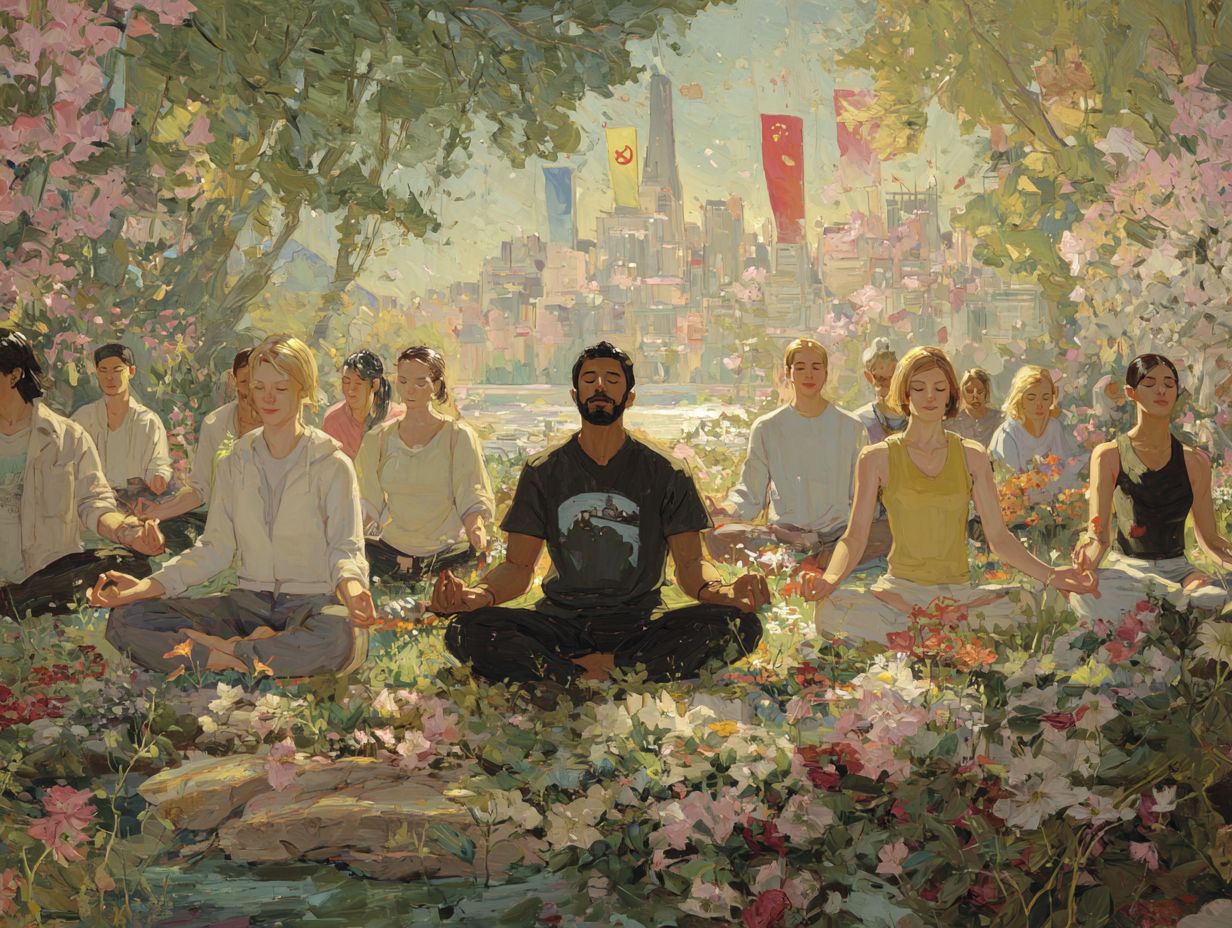
What if everything is connected, from the air we breathe to the relationships we cherish? Interbeing invites us to explore this profound interconnectedness, reminding us that our actions ripple through the fabric of life. Understanding its roots in Buddhism and Western philosophy, we’ll uncover how interbeing shapes our personal lives, community dynamics, and even our approach to environmental issues. Curious about how embracing this concept can transform your outlook? Let’s dive in!

Definition and Origins

Definition and Origins

The term ‘interbeing’ was popularized by Thich Nhat Hanh, who emphasized that nothing exists in isolation and that all life is interconnected, a concept deeply rooted in Buddhist teachings. This profound understanding invites a shift in perspective regarding individualism, underscoring that our identities are intricately shaped by our relationships with others and the environment.

Thich Nhat Hanh poignantly stated, “If you are not able to see that you are the consumer of interbeing, you will be lost.” In contemporary thought, this concept influences various ideas, including systems thinking and ecology, fostering a holistic approach in areas such as social justice, environmentalism, and mental health.

Recognizing interbeing encourages us to embrace collaboration and compassion, as it highlights our shared responsibility in nurturing every aspect of our interconnected lives.

Significance in Modern Society

In an increasingly fragmented world, the concept of interbeing holds significant potential to cultivate compassion, awareness, and community engagement, particularly in addressing pressing issues such as social justice, ecological sustainability, and fostering a deeper collective consciousness.

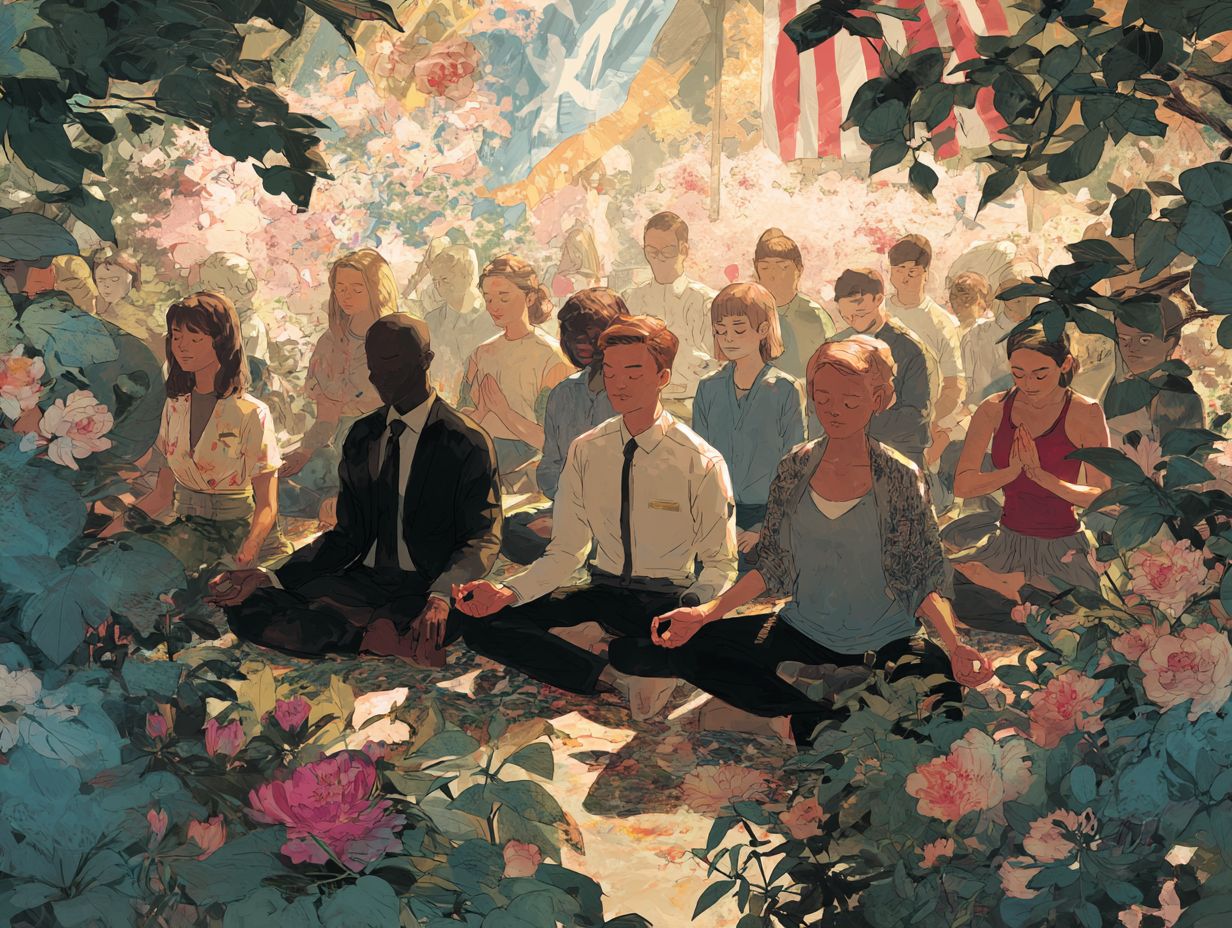
Communities that embrace the principles of interbeing include the Plum Village tradition, founded by Thich Nhat Hanh. This tradition promotes mindfulness and compassion through shared meditation practices and engaged activism.

Additionally, organizations like Food Not Bombs exemplify the spirit of interbeing by tackling hunger and food waste through collective action. This illustrates how interconnectedness and collective care can indeed drive social change.

Mindfulness practices are also essential in this context, encouraging individuals to reflect on their relationships with others and the planet. This reflection can inspire grassroots movements aimed at promoting eco-justice and inclusion.

Philosophical Foundations

The philosophical foundations of interbeing are rooted in various traditions, with Buddhism offering profound insights into our interconnected nature and spiritual awakening.

This understanding emphasizes how we are all linked and the significance of recognizing these connections and embracing a holistic perspective in our lives.

Buddhist Concepts of Interbeing

Buddhist philosophy teaches that interdependence is at the core of all existence, captured in the principle of non-duality, which suggests that separation is merely an illusion. This understanding can be deeply experienced through compassion meditation, a practice that highlights the interconnectedness of all beings.

To begin, find a quiet space where you can sit comfortably and focus on your breath. Gradually visualize someone you care about, and extend feelings of love and kindness towards them. Once you feel connected, start to expand this circle of compassion to include acquaintances, strangers, and even those you find difficult.

This practice not only nurtures personal empathy but also reinforces the idea that we are all part of a larger whole, ultimately helping to dissolve any perceived boundaries between us.

Western Perspectives on Connectedness

Western philosophy provides valuable insights into interconnectedness, particularly through existentialism, which emphasizes the shared human experience and the importance of relationships in defining our existence. Thinkers like Martin Buber and Jean-Paul Sartre have significantly contributed to our understanding of the concepts of ‘self and the other.’

Buber’s idea of I-Thou relationships underscores the importance of genuine encounters, suggesting that true existence is realized through dialogue rather than isolated contemplation. Conversely, Sartre highlights that recognizing others is essential to the development of our own identity within existentialism.

Together, these philosophies illustrate that our sense of self is profoundly influenced by our connections with others, encouraging us to reflect on how our relationships shape our understanding of being in the world.

Interbeing in Daily Life

Interbeing in Daily Life

Integrating the concept of interbeing into daily life can significantly enhance personal relationships, promote strong community engagement, and nurture relational awareness.

This approach creates a ripple effect, cultivating compassion, understanding, and collective responsibility among individuals.

Personal Relationships

Practicing interbeing in personal relationships can significantly enhance emotional intelligence and understanding, enabling individuals to connect on a deeper level. To improve relationships through the principles of interbeing, it is essential to prioritize active listening and empathetic communication.

For instance, when a friend shares a concern, rather than immediately jumping in with advice, take a moment to reflect on what they have expressed and validate their feelings. Utilizing tools such as “I Statements” can help frame your responses in a way that avoids sounding accusatory.

For example, saying “I feel worried when you mention feeling overwhelmed” fosters open dialogue without placing blame. A practical illustration of this could be a couple who, through regular practice of these techniques, transformed misunderstandings into constructive discussions, thereby significantly enhancing their emotional connection.

Community Engagement

Embracing the concept of interbeing within communities encourages mutual support, which in turn strengthens social bonds, fosters a sense of collective identity, and builds resilience and vulnerability.

Communities can actively practice interbeing by organizing compassion-focused events, such as a ‘Kindness Day.’ On this day, members can engage in acts of service for one another, promoting shared experiences that bring everyone closer together.

Additionally, workshops focused on building empathy and moral engagement can enhance understanding and connection among residents, enriching the community’s social fabric.

A notable example of this approach is the ‘Compassionate Communities Project’ in Portland, Oregon. Here, diverse groups have come together to share personal stories and establish support networks, which has ultimately led to reduced feelings of isolation and stronger interpersonal ties.

Such initiatives not only deepen relationships but also cultivate a thriving atmosphere of care and support within the community.

Environmental Implications

The principles of interbeing encompass our relationship with the environment, emphasizing the interconnectedness of all living beings and underscoring the urgent need for ecological awareness and ecological mindfulness.

It’s essential to recognize how our actions impact not only ourselves but also the broader ecosystem that we are a part of.

Interbeing and Ecological Awareness

Interbeing promotes a sense of spiritual ecology, encouraging individuals to acknowledge their role within the ecosystem, the universal truths, and the interconnectedness of all living beings.

To truly embody interbeing, individuals can take meaningful actions, such as reducing plastic waste by opting for reusable bags and containers.

Supporting local farmers through community-supported agriculture (CSA) not only minimizes carbon footprints associated with transportation but also bolsters local economies and fosters cooperative living and belonging.

Additionally, participating in local clean-up initiatives fosters environmental awareness and strengthens community bonds.

A study conducted by the National Academy of Sciences has demonstrated that communities engaged in sustainable practices often experience improved biodiversity and more ecologically balanced systems, highlighting the tangible benefits of these actions.

Collective Responsibility

Collective Responsibility

Interbeing fosters a profound sense of collective responsibility, inspiring individuals to champion social justice, global citizenship, and love for humanity within their communities.

For example, the global movement Fridays for Future has galvanized millions to advocate for climate action, grounded in the recognition that our destinies are interconnected. Likewise, initiatives such as Black Lives Matter highlight the interconnectedness of racial and social justice, demonstrating how the struggles of one group can resonate with us all.

Additionally, tools like social media platforms enable grassroots organizations to amplify their messages, raise awareness, and effectively mobilize collective actions. By nurturing a sense of interdependence, these movements motivate individuals to participate in collective efforts for the greater good.

Practicing Interbeing

Engaging in interbeing through mindfulness, compassion techniques, and transformative practices can greatly improve an individual’s quality of life and foster better relationships.

Meditation and Mindfulness Techniques

Mindfulness techniques, such as compassion meditation, can assist individuals in cultivating a deeper sense of interbeing, which promotes inner peace, heightened awareness, and a sense of unity consciousness.

To practice guided compassion meditation, begin by selecting a quiet space where you can sit comfortably. Close your eyes and take a few deep breaths to help center yourself.

Next, bring to mind someone you deeply care about and visualize sending them warmth and compassion. As you inhale, imagine drawing in their struggles; then, as you exhale, visualize sending them peace and happiness.

Engaging in this simple exercise, even for just five minutes a day, can significantly enhance emotional resilience, psychological well-being, and reduce anxiety, fostering a more empathetic perspective towards oneself and others, building deep connections.

Fostering Empathy and Compassion

Fostering empathy and compassion is crucial for practicing interbeing, as it enables individuals to establish deeper emotional connections, kinship, and relational dynamics with one another.

To cultivate empathy, one might consider participating in active listening exercises, where individuals focus entirely on the speaker’s words without any interruptions, employing cognitive empathy. This practice can be further enriched by engaging in community service initiatives, allowing individuals to experience the challenges faced by others firsthand, fostering compassion-based practices.

For instance, the `Empathy Lab’ program offers structured discussions and shared experiences, which significantly enhance participants’ empathetic understanding and nonviolent communication skills. Additionally, incorporating journaling as a reflective practice can assist individuals in articulating their feelings and considering the perspectives of others, thereby reinforcing their emotional connections and self-awareness.

Embracing Interbeing for a Better Future

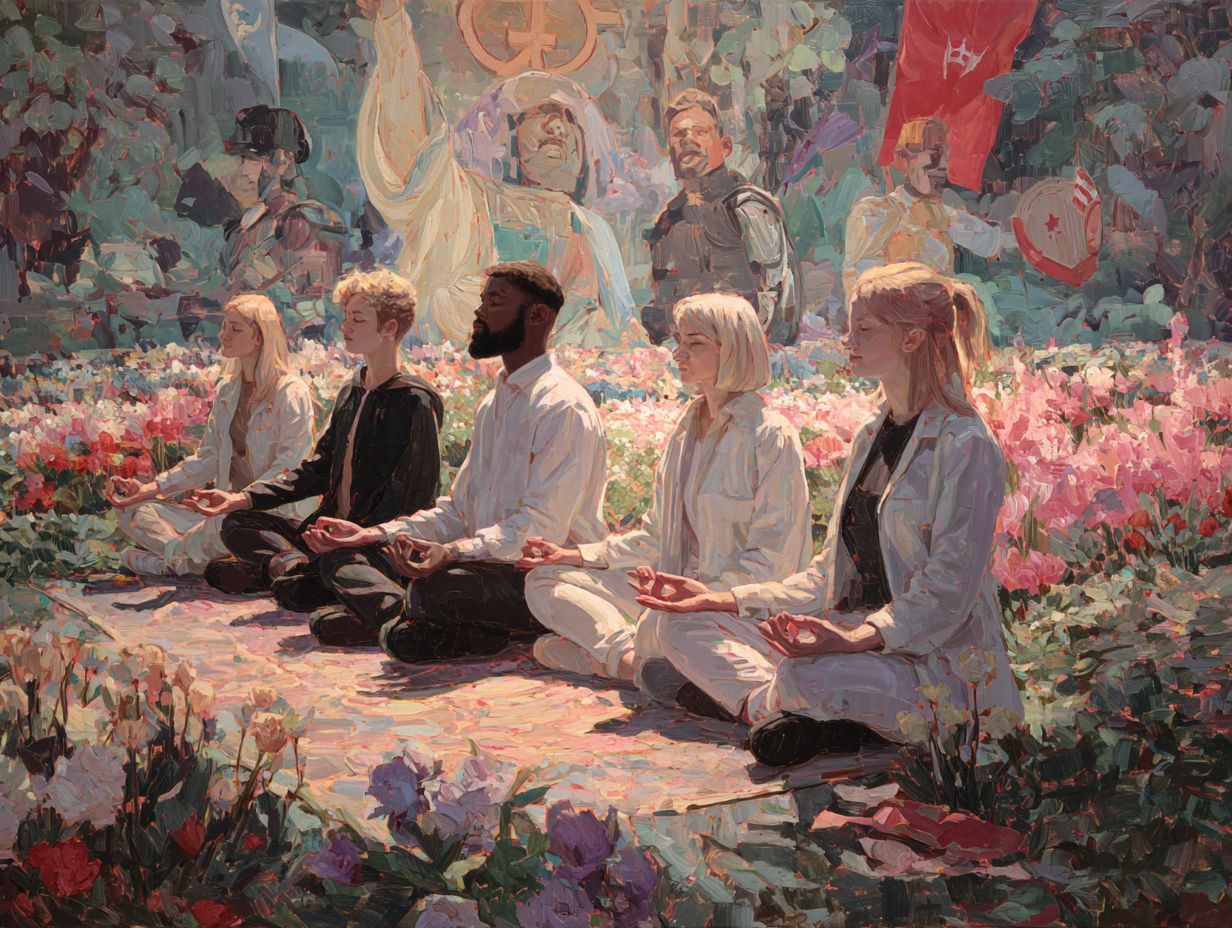
The future of humanity is significantly influenced by our capacity to embrace the concept of interbeing, which fosters oneness, unity, and collective consciousness in our shared existence.

To truly embody interbeing, one might begin by engaging with local community groups that emphasize collective wellness, mindfulness practices, and heartfulness.

Initiatives such as community gardens or volunteer programs are excellent opportunities to connect with others while nurturing the environment around you, promoting ecological interconnectedness.

Additionally, participating in mindfulness training or workshops-like those offered by organizations such as Mindful Schools or local meditation centers-can be immensely beneficial for holistic well-being.

These activities not only enhance your understanding of interconnected systems but also promote personal growth, creating a ripple effect that strengthens community bonds, human connection, and overall well-being.

Frequently Asked Questions

Frequently Asked Questions

What Is Interbeing?

Interbeing is a concept that emphasizes the interconnectedness and interdependence of all living beings and the environment. It is a way of understanding our deep connections with everything around us.

How does Interbeing differ from the traditional Western notion of individualism?

Interbeing challenges the idea of individualism and promotes the understanding that we are all part of a larger web of relationships, fostering social ecology. It recognizes that our actions and well-being are intertwined with those of others, the world we live in, and the larger cosmology.

Why is understanding Interbeing important?

Understanding Interbeing can help us develop a deeper sense of compassion, empathy, ethical responsibility, and responsibility towards others and the environment. It can also lead to a more harmonious, sustainable, and values-based way of living.

What are some examples of Interbeing in daily life?

Interbeing can be seen in simple acts such as sharing a meal with friends, caring for a plant, practicing selflessness, or showing kindness to a stranger. It is also evident in larger systems, such as the interconnectedness of ecosystems, deep ecology, and the global economy.

How does Interbeing relate to mindfulness and Buddhism?

Interbeing is a core concept in Buddhism, particularly in the teachings of Thich Nhat Hanh. It is closely tied to the practice of mindfulness, as both emphasize the importance of being fully present and aware of our connections to all beings and things, fostering spiritual practices.

Can anyone practice Interbeing?

Yes, Interbeing is a concept that is accessible to all, regardless of religious or cultural background. It is a way of understanding our place in the world and can be applied in various aspects of life, such as relationships, work, activism, and systemic change.

Compassionate Activism: Lessons from Thích Nhất Hạnh’s Wisdom

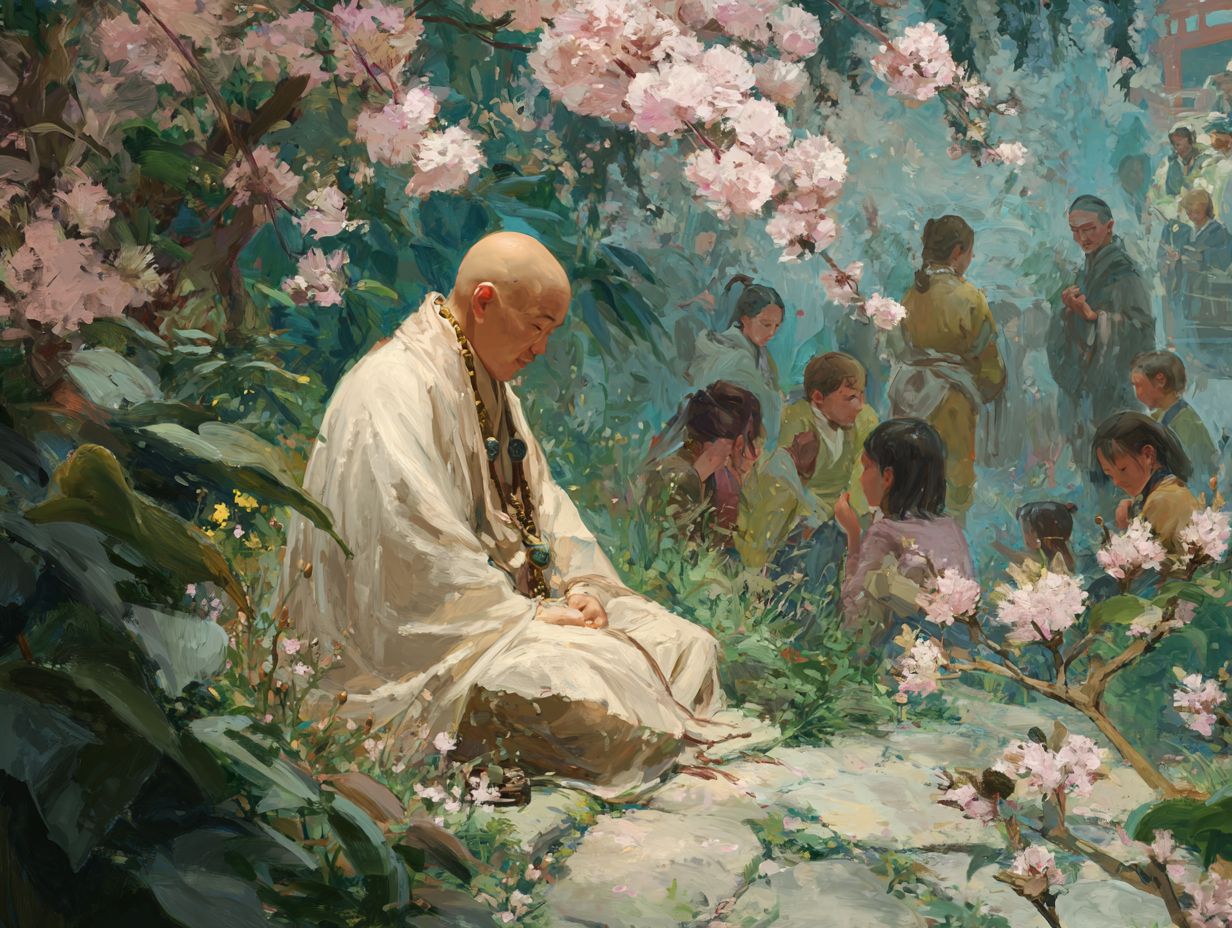
What if changing the world started with a simple act of kindness? Thch Nht Hnh, a revered Zen master, believed that compassion can fuel powerful activism. By blending mindfulness with social action, he taught us that true change comes from understanding our interconnectedness. In this exploration, we’ll dive into his life, the core principles of his philosophy, and practical ways to apply compassionate activism in our communities and beyond. Ready to discover how a gentle heart can ignite meaningful change?

Thch Nht Hnh: A Brief Biography

Thch Nht Hnh: A Brief Biography

Thch Nht Hnh, a renowned Vietnamese Zen master and peace activist, has had a profound impact on many lives through his teachings on mindfulness, compassion, and compassionate living, advocating for loving-kindness and nonviolence.

His insights encourage individuals to cultivate awareness, mindfulness, and foster kindness in their daily interactions, promoting ethical living and human connection.

Early Life and Influences

Born in 1926, Thch Nht Hnh’s formative years were significantly influenced by the tumultuous backdrop of war in Vietnam and the principles of Buddhism, guiding him toward a life dedicated to peace, activism, and spiritual awakening.

Growing up in central Vietnam, he was profoundly impacted by his mother, a devoted Buddhist who frequently recited scriptures and highlighted the importance of compassion. At the young age of seven, he entered a local temple and discovered the calming practice of meditation, laying the groundwork for his enduring commitment to mindfulness.

During the First Indochina War, the suffering he witnessed around him intensified his yearning for peace and social justice. This environment, coupled with his early education in Buddhist philosophy, fostered in him a strong belief that love and compassion are vital for overcoming life’s challenges.

Monastic Life and Teachings

Thch Nht Hnh’s monastic journey commenced in the 1940s, during which he cultivated foundational teachings centered on mindfulness, compassion, and engaged Buddhism.

Throughout his life, he placed a strong emphasis on practices such as mindful breathing and walking, which promote deep awareness in everyday activities. These practices were not merely personal rituals; they served as the cornerstone of his teachings at Plum Village, a community he established in France in the 1980s.

At Plum Village, he seamlessly integrated spiritual practice with compassionate activism, encouraging his followers to confront social issues while maintaining a sense of inner peace and harmony.

Today, his teachings hold significant relevance, guiding individuals to weave mindfulness into social justice initiatives, consciousness, and fostering healing in a world frequently overshadowed by conflict and suffering.

Core Principles of Thch Nht Hnh’s Philosophy

At the core of Thch Nht Hnh’s philosophy lies the practice of mindfulness and the understanding of the interconnectedness of all beings.

This perspective provides meaningful insights that can enhance compassionate activism.

Mindfulness and Presence

Mindfulness and Presence

Mindfulness, which is the practice of being fully present, plays a crucial role in fostering awareness and compassion in our daily lives. Incorporating mindfulness into activism can significantly enhance emotional resilience and strengthen commitment.

To start, consider setting aside a few minutes each day for meditation. Apps like Headspace or Calm can guide you through focused techniques that are quite beneficial.

Engaging in deep breathing exercises or conducting body scans can also help alleviate stress before you dive into your activism. It may be helpful to keep a mindfulness journal where you can reflect on your experiences and feelings related to your advocacy work. This practice can foster deeper insights and emotional clarity.

By integrating these mindfulness practices, activists can approach their work with renewed energy, mindful activism, and purposeful living.

Interconnectedness of All Beings

The principle of interconnectedness emphasizes that our actions have a significant impact on others, encouraging activists to approach their work with empathy, global citizenship, and moral responsibility.

For example, consider the effects of a community garden project. When volunteers collaborate to create and maintain such a space, they not only provide fresh produce but also cultivate relationships among neighbors, which can help alleviate food insecurity.

Additionally, tools like social media campaigns can enhance their efforts by attracting support and funding. Case studies from cities like Detroit illustrate how collective action to revitalize abandoned lots has resulted in increased property values and reduced crime rates.

This demonstrates that compassionate actions can initiate a ripple effect, driving positive social change and transformative justice.

Compassionate Activism Defined

Compassionate activism represents a holistic approach that blends compassion, social justice, and mindful awareness to inspire transformative change. This approach draws inspiration from the teachings of influential leaders like Thch Nht Hnh, who advocate for empathy towards both individuals and the planet.

For example, in movements advocating for racial justice, compassion can manifest through active listening and fostering dialogue among diverse communities. Utilizing tools such as restorative justice practices encourages understanding and healing, rather than perpetuating cycles of punishment.

In the realm of environmental activism, compassionate initiatives emphasize the interconnectedness of all forms of life. They advocate for sustainable practices that honor both nature and the rights of indigenous peoples.

By integrating compassion into activism, we can forge alliances that are capable of driving meaningful social change and compassionate action.

Practical Applications of Compassionate Activism

Implementing compassionate activism can manifest in various ways, ranging from community engagement initiatives to projects focused on environmental stewardship, promoting global issues and social responsibility.

Each approach offers unique opportunities to make a positive impact and foster a sense of responsibility toward both people and the planet, emphasizing altruism and universal love.

Community Engagement

Community Engagement

Community engagement plays a vital role in fostering connections and collective action, which are essential for building a compassionate society. To enhance engagement within communities, it may be beneficial to organize workshops focused on mindful communication and compassion training programs.

A notable example is the Compassionate Los Angeles initiative, which successfully trained over 500 individuals and achieved a remarkable 30% increase in volunteer participation within just six months.

These workshops can effectively incorporate tools like Slido to gather real-time feedback and facilitate breakout discussions, thereby enhancing participant interaction and community building.

Additionally, creating programs that encourage storytelling has been shown to strengthen relationships; for instance, the Listening Project, implemented by a local nonprofit, resulted in a 40% increase in trust among participants.

By employing such strategies, communities have the opportunity to cultivate a more connected and compassionate environment, promoting intentionality and compassionate education.

Environmental Stewardship

Environmental stewardship reflects compassion for our planet by promoting sustainable practices and raising awareness. This approach aligns closely with the initiatives of organizations like the Thch Nht Hnh Foundation, which emphasizes mindfulness in environmental efforts.

Individuals have the opportunity to get involved in their communities by participating in local activities such as park restoration projects or beach clean-ups. These efforts not only benefit the ecosystem but also strengthen community bonds.

Engaging in native plant programs or advocating for recycling initiatives can also create a meaningful impact. Additionally, supporting sustainable businesses in your community can encourage a more environmentally responsible local economy.

Challenges in Compassionate Activism

Compassionate activism, despite its noble intentions, encounters several challenges that can hinder its impact, such as compassion fatigue and burnout. To address these issues, activists can implement specific strategies.

One highly effective approach is the practice of mindfulness. Techniques such as meditation or deep-breathing exercises can help individuals center their thoughts and alleviate anxiety. There are also tools available, like Headspace or Calm, which offer structured programs aimed at stress reduction.

Additionally, building a support network is essential. Engaging with fellow activists through platforms such as Meetup or social media can provide emotional reinforcement and foster collaboration. Moreover, setting realistic goals and taking regular breaks can contribute to sustaining motivation and effectiveness over the long term.

Case Studies: Successful Compassionate Activism Initiatives

Examining successful compassionate activism initiatives can offer valuable insights and inspiration for future endeavors. One notable example is the ‘Food Not Bombs’ movement, which focuses on redistributing surplus food to individuals in need. This initiative not only addresses the pressing issue of hunger but also raises awareness about food waste and promotes environmental sustainability.

As of 2022, Food Not Bombs has expanded to over 1,000 chapters worldwide, engaging thousands of volunteers in local efforts. Metrics for success are impressive, with the initiative feeding thousands of people each week while fostering a sense of community solidarity.

The framework employed by Food Not Bombs emphasizes grassroots participation, encouraging local chapters to adapt their strategies to fit the unique needs of their communities, fostering community building and social responsibility. This approach ultimately amplifies their impact and effectiveness in addressing social justice and global issues.

Frequently Asked Questions

Frequently Asked Questions

What is Compassionate Activism and Mindful engagement?

Compassionate Activism is a form of activism that focuses on using love, compassion, and understanding, embracing ethical living and universal love to bring about positive change in the world. It is about working towards a better future for all beings, fostering solidarity and collective action, rather than just seeking personal gain or victory over others.

Who is Thch Nht Hnh, a leader in spiritual activism?

Thch Nht Hnh is a Vietnamese Buddhist monk, teacher, author, and peace activist. He is renowned for his teachings on mindfulness, compassion, peace activism, and nonviolence, and has played a significant role in promoting social and political change through nonviolent means, advocating for transformative justice and empathy.

What can we learn from Thch Nht Hnh’s teachings?

Thch Nht Hnh’s teachings center around the power of love, compassion, and understanding in creating positive change in the world. He emphasizes the importance of mindfulness and being present in the moment, embracing awareness practices and intentionality, as well as the interconnectedness of all beings and the need for deep listening and compassionate communication.

How can we practice compassionate activism in our daily lives?

We can practice compassionate activism by cultivating mindfulness and compassion in our daily actions, engaging in spiritual activism, and embracing neighborliness. This can include being more aware of our impact on the world, practicing ethical consumerism, and taking steps to reduce harm, showing kindness and understanding towards others, advocating for human rights, and speaking out against injustice and oppression.

What are the benefits of practicing compassionate activism?

Practicing compassionate activism can lead to personal growth, a sense of purpose and fulfillment, and fostering positive change in the world through compassionate action. It can also help us cultivate deeper connections with others and create a more peaceful and harmonious society, nurturing inner peace and emotional intelligence.

How can we apply Thch Nht Hnh’s teachings to larger social and political issues?

Thch Nht Hnh’s teachings on mindfulness, compassion, and nonviolent action can be applied to larger social and political issues by promoting dialogue and understanding, advocating for nonviolent solutions through compassionate leadership, and working towards creating a more just and compassionate society for all beings, embracing sustainable activism and environmentalism.

Philosophy’s Role in Cultivating a Mindful Life: Insights

Imagine waking up each day with a clear mind, fully present and engaged in life’s moments. Sounds refreshing, right? Philosophy, often seen as lofty or abstract, actually lays a solid foundation for a mindful life. From ancient Eastern wisdom to Western thought, it’s packed with insights that can enhance our emotional resilience and ethical living. Let’s explore how these philosophical concepts can transform your approach to mindfulness and unlock a deeper, more authentic you.

The Historical Roots of Mindfulness and Philosophy

The Historical Roots of Mindfulness and Philosophy

Mindfulness has profound historical roots that draw from both Eastern and Western philosophical traditions, which have significantly shaped its practice and importance in contemporary society.

Eastern Philosophical Traditions

Eastern philosophical traditions, particularly Buddhism, place a strong emphasis on mindfulness as a means to achieve enlightenment and inner peace.

At the heart of these teachings are the Four Noble Truths, which clearly outline the reality of suffering and the path to its cessation. Complementing these truths is the Eightfold Path, which provides practical steps-such as right understanding and right mindfulness-to guide practitioners on their journey toward spiritual awakening.

Additionally, the concept of non-attachment plays a crucial role in this journey, encouraging individuals to let go of cravings and desires that contribute to suffering.

In contemporary society, modern mindfulness practices often incorporate these principles, utilizing meditation techniques that focus on breath and presence. This approach helps individuals cultivate awareness and acceptance as they navigate their daily lives.

Western Philosophical Contributions

Western philosophical contributions significantly enhance mindfulness through the lenses of existentialism and Stoicism, both of which promote resilience, self-improvement, and self-acceptance.

Existentialism, particularly as articulated by Jean-Paul Sartre, places a strong emphasis on authenticity. Engaging in mindfulness can include daily reflections on personal values and choices, which helps foster a deeper sense of self-awareness.

Similarly, Stoicism, as taught by Marcus Aurelius, advocates for emotional resilience. Mindfulness routines can incorporate techniques such as negative visualization-imagining worst-case scenarios to mitigate their potential impact.

By combining these philosophies, individuals can create a holistic approach to mindfulness. For instance, one might start each day with a brief journal entry reflecting on their values (drawing from existentialism) and conclude the day with a moment of gratitude, acknowledging the challenges faced and the lessons learned (inspired by Stoicism).

Key Philosophical Concepts Supporting Mindfulness and Self-awareness

Key philosophical concepts like existentialism and Stoicism offer essential support for mindfulness practices, ultimately enhancing personal well-being.

These philosophies encourage individuals to reflect on their thoughts and emotions, fostering a deeper understanding of themselves and their place in the world.

By integrating these ideas into mindfulness practices, one can cultivate a more fulfilling and balanced life.

Existentialism and Authenticity

Existentialism and Authenticity

Existentialism invites individuals to delve into the concept of authenticity, encouraging them to confront their existential inquiries and embrace their true selves. To foster authenticity in everyday life, one might consider the following practical steps:

  1. Engage in journaling by dedicating 10 to 15 minutes each day to reflect on your thoughts and feelings regarding existence. Pose questions such as, “What do I truly value?” or “How do my choices align with my beliefs?”
  2. Participate in self-discovery exercises, which may include mindfulness meditation or taking solitary walks in nature.

These practices not only enhance self-awareness and personal philosophy but also clarify personal identity and aspirations, enabling a more authentic way of living.

Stoicism and Emotional Resilience

Stoicism offers valuable tools for developing emotional resilience, which is essential for leading a mindful life in the face of external challenges. There are three effective Stoic practices that can significantly enhance your mindfulness routine.

  1. First, consider practicing negative visualization by imagining the loss of things you cherish. This exercise fosters gratitude and appreciation for the present moment.
  2. Second, focus on controlling your responses. When confronted with adversity, ask yourself what aspects you can control and let go of everything else.
  3. Lastly, make it a habit to regularly reflect on your virtues by journaling about your daily actions and how they align with your values.

By incorporating these practices into your mornings or evenings, you can cultivate a deeper sense of tranquility and perspective in your daily life.

Practical Applications of Philosophy in Mindfulness

The practical applications of philosophical principles play a significant role in enhancing mindfulness, especially when it comes to decision-making and ethical living.

By incorporating these principles into daily life, individuals can cultivate a greater awareness of their choices and the ethical implications behind them.

This approach not only fosters clearer thinking but also encourages a more deliberate and thoughtful way of engaging with the world.

Mindful Decision Making

Mindful decision-making involves a blend of awareness and intentionality, which allows for choices that are more closely aligned with one’s values and goals. To implement mindful decision-making, one can follow a structured five-step process.

  1. First, identify the decision you need to make; this could be selecting a career path or deciding on a significant purchase.
  2. Next, evaluate your emotions-reflect on how this decision may impact your mood.
  3. Then, gather information from trustworthy sources or draw upon your own experiences.
  4. After that, contemplate your core values; for example, if sustainability matters to you, it will likely influence your purchasing decisions.
  5. Finally, take action by committing to your choice and regularly reviewing its effects.

This approach promotes clarity and alignment in the decision-making process.

Ethics and Compassionate Living

Ethics and Compassionate Living

Ethics and compassionate living play a crucial role in mindfulness, promoting a deeper sense of connection and overall well-being.

To incorporate compassion into your daily routine, consider volunteering at local shelters or community centers. This hands-on experience not only supports others in need but also fosters empathy within yourself.

Additionally, practicing gratitude can be beneficial. Keeping a daily journal to note three things you are thankful for can help shift your mindset toward positivity.

During conversations, engaging in active listening is also important; offering your full attention and validating others’ feelings makes a significant difference.

These simple actions not only enhance your ethical decision-making but also contribute to the creation of a more compassionate society.

Philosophy and the Science of Mindfulness

The intersection of philosophy and science plays a significant role in deepening our understanding of mindfulness, a concept that is well-supported by research in cognitive behavioral therapy and mental well-being. Recent studies emphasize the effectiveness of mindfulness in enhancing emotional intelligence and cognitive clarity.

For example, a 2020 meta-analysis published in the ‘Psychological Bulletin’ revealed that mindfulness training notably improved self-regulation and empathy among participants. Additionally, research from the University of Massachusetts showed that practicing mindfulness meditation for just 10 minutes a day can lead to better attention spans and reduced stress levels.

By incorporating mindfulness techniques-such as deep breathing exercises or body scans-into daily routines, individuals can experience measurable improvements in their mental health, cognitive functioning, and psychological well-being.

Challenges to Mindfulness from Philosophical Perspectives

Philosophical critiques raise important questions about mindfulness, particularly regarding its effectiveness and relevance in contemporary life. One major concern is the commercialization of mindfulness practices, which has led to a dilution of their teachings. Critics contend that mindfulness has become a marketable commodity, resulting in a loss of its deeper significance.

On a positive note, integrating mindfulness into everyday products can facilitate access to its benefits, as evidenced by popular apps like Headspace. However, another critique centers on superficial engagement, where individuals may practice mindfulness without a genuine understanding of its underlying principles. To address this issue, it is beneficial to combine mindfulness with educational resources that can enhance user engagement and comprehension.

Additionally, the topic of cultural appropriation brings forth ethical considerations. A thoughtful approach would involve recognizing the origins of mindfulness practices and ensuring that they are honored within their cultural contexts. This may include collaborating with authentic teachers from those traditions to foster a respectful and meaningful practice.

Frequently Asked Questions

What is philosophy and how does it support a mindful life?

What is philosophy and how does it support a mindful life?

Philosophy is the study of fundamental questions about existence, knowledge, values, reason, mind, and language. It supports a mindful life by encouraging critical thinking, reflection, and self-awareness.

How can philosophy help me live a more mindful and purpose-driven life?

By exploring different philosophical ideas and principles, you can gain a deeper understanding of yourself and the world around you. This self-awareness can lead to more mindful and intentional actions in your daily life.

What are some practical ways to incorporate philosophy into a mindful lifestyle?

You can incorporate philosophy into your daily life by reading philosophical texts, attending philosophy workshops or lectures, and engaging in philosophical discussions with others. You can also apply philosophical concepts to your own thoughts and behaviors.

How does philosophy promote mindfulness, well-being, and mental clarity?

Philosophy encourages us to question our beliefs and values, which can lead to a more open-minded and compassionate perspective. By being mindful and reflective, we can make more informed and intentional choices that contribute to our overall well-being.

Can philosophy be used as a tool for coping with stress and anxiety?

Yes, philosophy can help individuals cope with stress and anxiety by providing a framework for understanding and examining their thoughts and emotions. By practicing mindfulness and critical thinking, individuals can better manage their stress and anxiety in a healthy way.

How does philosophy support a mindful and values-based approach to decision-making?

Philosophy encourages individuals to consider different perspectives and examine the underlying values and principles behind their decisions. By practicing mindfulness, individuals can make more well-informed and intentional decisions that align with their personal values.

Mindfulness Techniques for Political Division: Stay Calm and Centered

Political division can feel overwhelming, but what if there was a way to navigate the chaos with calm? Mindfulness, a practice rooted in awareness and presence, offers tools to help us cope with the emotional turmoil of our times. From understanding its historical significance to exploring practical techniques like meditation and breathing exercises, this journey reveals how mindfulness can foster empathy and emotional regulation in a fractured world. Curious about how these practices can transform your daily life? Let’s dive in!

Definition and Importance of Self-Care and Community

Definition and Importance of Self-Care and Community

Mindfulness is the practice of maintaining moment-to-moment awareness of our thoughts, feelings, and surroundings, which fosters a profound sense of well-being. Engaging in mindfulness can significantly improve one’s mental health. Research has shown that participants who practice mindfulness experience as much as a 30% increase in emotional regulation.

To cultivate mindfulness, it may be beneficial to explore programs such as Mindful Schools, which offer courses suitable for all ages. Incorporating daily practices into your routine, such as focusing on your breath for just five minutes or observing nature without distractions, can seamlessly integrate mindfulness into your life.

To get started, consider setting aside specific times each day for practice. This consistency can transform mindfulness into a habit that significantly enhances your overall well-being.

Historical Context and Societal Impact

Rooted in ancient meditation practices, mindfulness has transitioned from its origins in Buddhist traditions to become a widely accepted approach for enhancing mental health and emotional resilience in today’s world.

In the 1970s, Jon Kabat-Zinn played a crucial role in this transformation by introducing Mindfulness-Based Stress Reduction (MBSR) at the University of Massachusetts. This innovative program combined traditional mindfulness techniques with scientific research to effectively address issues like chronic pain and stress.

Today, mindfulness practices have expanded into various settings, including therapy, education, and corporate wellness programs. Techniques such as mindful breathing and body scans are now accessible to a diverse audience.

Additionally, tools like Headspace and Calm are making it even easier to incorporate mindfulness into daily life, promoting mental well-being and psychological safety for everyone.

The Current Political Climate

Political division is increasingly influencing how people interact within society, resulting in heightened stress and anxiety for individuals who are trying to navigate conflicting ideologies. This underscores the importance of mindfulness and its role in promoting social harmony and civic responsibility.

This growing divide is making it more challenging for people to engage in meaningful conversations and foster understanding across different viewpoints.

Overview of Political Division

Political division is increasingly evident, creating a significant gap between differing ideologies. Research indicates that 64% of Americans report experiencing tension when discussing politics with friends and family. This divide not only strains personal relationships but also has repercussions for mental health.

A study conducted by the American Psychological Association revealed that 45% of adults experience stress as a result of political discussions.

In an effort to maintain peace, many individuals may choose to avoid family gatherings or even block friends on social media, which can lead to feelings of isolation.

To address these tensions, it can be beneficial to engage in active listening and establish clear boundaries during political discussions. Additionally, seeking common values or interests outside the realm of politics can help foster connections and alleviate stress within these interpersonal dynamics.

Impact on Society and Relationships

The stress stemming from political division can indeed strain relationships, with 50% of individuals reporting decreased communication with loved ones due to differing views, highlighting the need for effective conflict resolution and civic engagement.

To address this issue, employing conflict resolution strategies can promote understanding among parties. One particularly effective method is active listening, which involves giving your conversation partner your full attention, acknowledging their feelings, and clarifying their points without jumping to judgments.

For instance, when engaging in discussions about political matters, it can be beneficial to invite your loved one to share their perspective first. Utilizing reflective statements, such as, “I hear you saying that you feel frustrated with policy changes,” can demonstrate empathy. This approach not only validates their feelings but also sets the stage for more constructive discussions, ultimately helping to bridge the emotional divide.

Mindfulness Practices

Mindfulness practices such as meditation and breathing exercises serve as effective tools for reducing stress and enhancing emotional well-being, especially in the midst of societal tensions. These practices also promote emotional intelligence and resilience, enabling individuals to better cope with polarization.

These techniques can help individuals cultivate a sense of calm and resilience, allowing them to navigate challenges with greater ease.

Meditation Techniques

Meditation Techniques

Techniques such as body scan meditation and loving-kindness meditation play a significant role in fostering emotional regulation and empathy, which are essential for navigating challenging discussions.

To practice body scan meditation, begin by finding a quiet space where you can either sit or lie down comfortably. Focus on each part of your body in turn, paying attention to the sensations you experience without passing judgment. This method helps anchor you in the present moment and can significantly reduce feelings of anxiety.

For loving-kindness meditation, start by nurturing positive feelings toward yourself, then gradually extend those feelings to others, including individuals with whom you may have disagreements. This practice fosters compassion and societal healing.

Utilizing apps like Insight Timer can provide guided sessions for both techniques, making it easier to integrate these practices into your daily routine. Starting with just 5 to 10 minutes a day can help you establish consistency and make these meditations a valuable part of your life.

Breathing Exercises

Breathing exercises, such as the 4-7-8 technique, can effectively reduce anxiety and enhance focus, making them particularly beneficial for managing stress during political discussions.

To practice the 4-7-8 technique, begin by sitting comfortably with your back straight. Close your eyes and take a quiet breath in through your nose for a count of four. Next, hold your breath for seven seconds, allowing your mind to clear. Then, exhale completely through your mouth for eight seconds, making a whooshing sound.

You can repeat this cycle for a total of four breaths. This exercise can be completed in under five minutes, making it a convenient and effective tool for calming your nerves before engaging in challenging conversations.

Benefits of Mindfulness in Political Division

Engaging in mindfulness practices can lead to substantial benefits in emotional regulation and empathy, helping to mitigate the negative effects of political division on mental health.

Emotional Regulation

Mindfulness has been shown to enhance emotional regulation, leading to a notable 30% decrease in anxiety levels reported by regular practitioners during politically charged discussions.

To effectively integrate mindfulness into your daily interactions, one can begin by practicing deep breathing during conversations. This can be as straightforward as taking three deep breaths before responding, which serves to calm the nervous system.

It is also beneficial to practice active listening by fully concentrating on the speaker without preforming your response in your mind. This approach not only fosters a better understanding but also alleviates tension. Research indicates that individuals who utilize these techniques often experience greater satisfaction in their relationships.

Additionally, consider setting reminders to practice these techniques daily, making mindfulness a regular part of your interactions.

Enhanced Empathy

Engaging in mindfulness practices has been shown to enhance empathy by 25%, allowing individuals to approach divisive conversations with a sense of compassion.

To cultivate empathy during political discussions, one can begin with mindful breathing exercises. Taking a few moments to breathe deeply-inhale for four counts, hold for four, and exhale for four-can calm the mind and help clear any preconceived judgments.

Following this, practicing active listening is essential. By summarizing the other person’s points before responding, you ensure they feel heard and understood.

It may also be beneficial to journal about these discussions afterward, reflecting on your emotions and viewpoints. This practice can deepen your understanding and empathy over time.

Incorporating these techniques regularly can truly transform your conversations into more compassionate dialogues.

Implementing Mindfulness in Daily Life

Incorporating mindfulness into daily routines can significantly help reduce stress and enhance relationships. This practice provides a valuable pathway toward achieving greater harmony, especially in divisive environments.

Practical Tips for Individuals

Practical Tips for Individuals

Incorporating simple practices such as daily mindful journaling and dedicating just 10 minutes for meditation can greatly enhance one’s overall well-being. To maximize the benefits of mindfulness, consider implementing these five actionable tips:

  1. Set a timer for five minutes of focused breathing each morning, an essential mindfulness exercise.
  2. Utilize an app like Calm or Headspace for guided meditations that can vary from just a few minutes to longer sessions, incorporating non-violent communication techniques.
  3. Practice gratitude by noting down three things you are thankful for each evening, fostering emotional stability.
  4. Introduce mindful walking into your routine, paying close attention to the physical sensations within your body and practicing self-awareness.
  5. Limit screen time before bed and replace it with relaxing activities such as reading or gentle stretching, promoting inner peace.

These small adjustments have the potential to create a significant positive impact on your daily mental state, enhancing your mindfulness benefits.

Mindfulness in Group Settings

Facilitating group mindfulness sessions can foster a sense of community, as structured practices have been shown to enhance group cohesion by up to 40%, contributing to community building. To implement mindfulness effectively in group settings, it may be beneficial to host community workshops that incorporate techniques such as guided meditation, breathing exercises, and mindful listening, emphasizing mindfulness training.

For example, a local community center successfully conducted a weekly meditation class, which led to a 30% increase in attendance over a six-month period. Alternatively, organizing group activities like nature walks can allow participants to practice mindfulness together, deepening their connection to both nature and one another, fostering interconnection.

Utilizing tools such as Headspace or Insight Timer can also be helpful in guiding these sessions, providing accessible resources that complement in-person activities and enhance the overall experience, supporting civic mindfulness.

Case Studies and Examples

Real-world examples of successful mindfulness programs offer valuable insights into their transformative effects on individuals and communities experiencing political division.

These programs demonstrate how mindfulness practices can foster understanding, enhance emotional resilience, and promote dialogue among people with differing perspectives.

Successful Mindfulness Programs

The Mindfulness-Based Stress Reduction (MBSR) program has positively impacted more than 30,000 individuals, demonstrating its effectiveness in alleviating anxiety and enhancing emotional resilience.

Participants in this program engage in a variety of techniques, such as body scans, mindful breathing, and yoga. A notable example of its effectiveness can be seen in a study conducted by the University of Massachusetts, where participants reported a 33% reduction in anxiety levels after completing an 8-week MBSR course, demonstrating mindfulness and politics interaction. Additionally, 70% of participants indicated that they felt more emotionally balanced as a result of the program, contributing to emotional support.

To further support these practices, tools like guided meditation apps, such as Headspace or Calm, can make mindfulness more accessible. By combining structured programs with self-guided resources, individuals can achieve greater well-being and emotional stability.

Personal Stories of Transformation

Many individuals share transformative experiences through mindfulness, including reduced anxiety and improved interpersonal relationships, particularly during politically charged discussions.

One personal story illustrates this well. A friend often found herself engaged in heated debates during family gatherings, frequently feeling overwhelmed by the intensity of the conversations. After she began a simple mindfulness practice-taking five minutes to focus on her breathing before each discussion-she noticed a significant change. Rather than reacting defensively, she began to listen actively, fostering a sense of empathy. This shift in approach transformed the atmosphere, leading to more constructive conversations.

Tools like the Headspace app can be invaluable for beginners, guiding them through mindfulness practices and making it more accessible, encouraging conscious engagement. By prioritizing presence over reaction, many individuals can enhance their communication and connection even in challenging situations, fostering effective communication.

Frequently Asked Questions

What is mindfulness?

What is mindfulness?

Mindfulness is the practice of being fully present and aware in the current moment, without judgment or distraction. It involves paying attention to one’s thoughts, feelings, and surroundings without reacting to them, promoting non-judgment.

How can mindfulness be beneficial in times of political division?

Mindfulness can help individuals maintain a sense of calm and focus, even in the midst of political tension and conflict. It can also improve communication and understanding between people with differing political beliefs, enhancing political empathy.

Is mindfulness a form of political activism?

No, mindfulness is not a form of political activism. It is a personal practice that focuses on self-awareness and self-regulation, rather than trying to change external circumstances or beliefs, supporting ethical engagement.

Can mindfulness help reduce stress and anxiety caused by political division?

Yes, practicing mindfulness can help reduce stress and anxiety by promoting a state of relaxation and inner peace. It can also provide individuals with tools to cope with the emotional toll of political division, fostering critical thinking.

Do I need to have a certain political stance to practice mindfulness in times of political division?

No, mindfulness can be practiced by individuals of any political belief or affiliation. It is a non-judgmental practice that focuses on being present and open-minded, encouraging open-mindedness.

How can I incorporate mindfulness into my daily life during times of political division?

You can incorporate mindfulness into your daily life by setting aside a few minutes each day to practice techniques such as mindful breathing, body scan, and gratitude, promoting peaceful coexistence. These practices can help you stay centered and grounded, even in the face of political division.