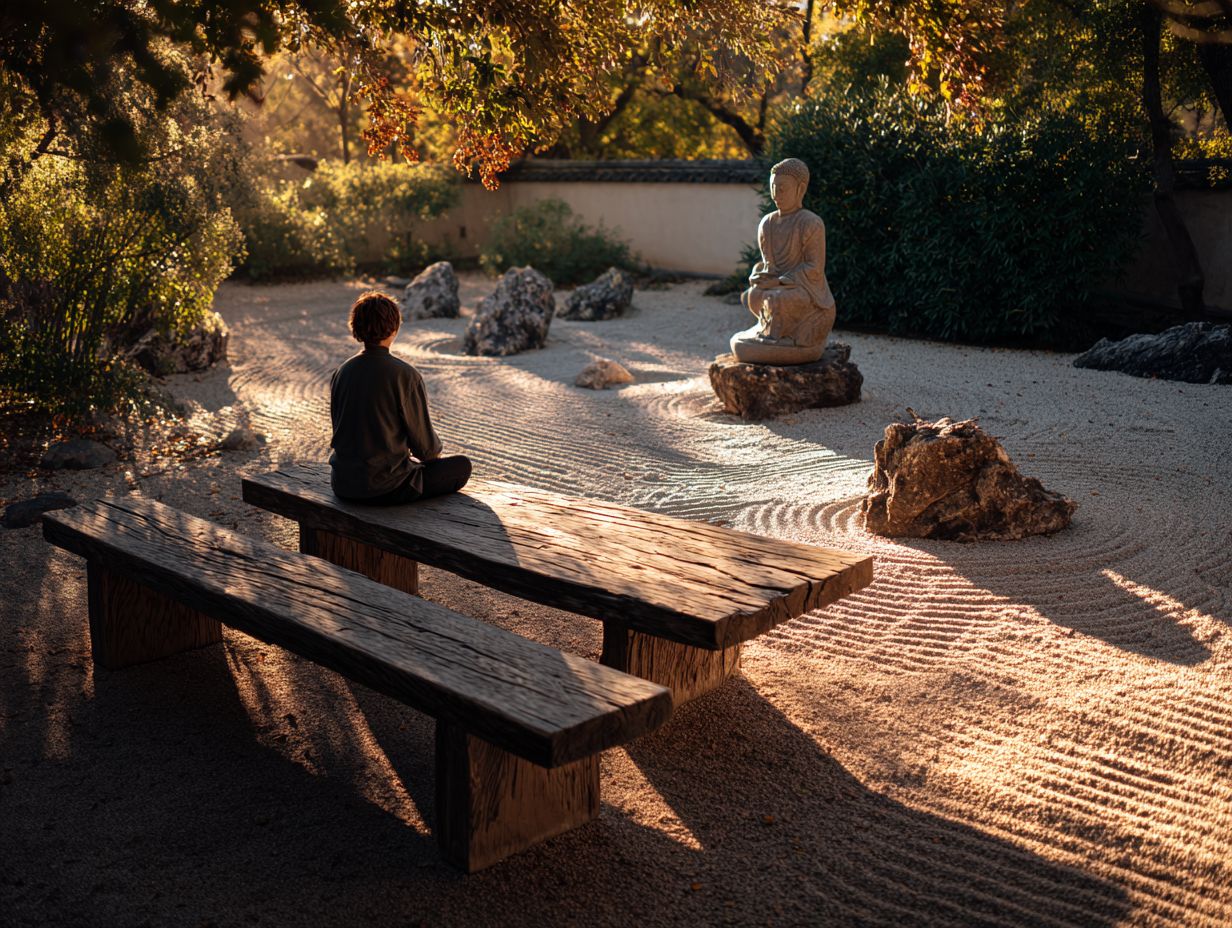
Buddhism and Free Speech: Mastering Right Speech Online

In a world overflowing with opinions and instant messages, how do we find the balance between free speech and mindful communication, ensuring ethical standards and social responsibility? Buddhism offers timeless wisdom through the practice of Right Speech, urging us to speak with compassion, empathy, and clarity. As we navigate the complexities of digital interactions, understanding this concept becomes crucial. Dive into the ethical framework of Buddhism, the challenges we face online, including cyberbullying and hate speech, and discover how to foster positive conversations in our digital spaces. Curious? Let’s explore!

Overview of Right Speech in Buddhist Teachings and Its Ethical Dilemmas

Overview of Right Speech in Buddhist Teachings and Its Ethical Dilemmas

In Buddhist teachings, Right Speech is a key aspect of the Noble Eightfold Path, emphasizing the importance of using words that are truthful, kind, and purposeful, rooted in digital ethics. Right Speech comprises four fundamental components.

  1. First, it encourages individuals to avoid lies and commit to speaking the truth, as expressed in the Dhammapada: “Speak the truth and practice the Dharma,” promoting veracity and honesty.
  2. Second, it discourages divisive speech, as fostering harmony within communities is essential.
  3. Third, one should steer clear of harsh words; this aligns with the idea that “Better than a thousand hollow words is one word that brings peace.”
  4. Lastly, it advises against idle chatter, promoting the value of meaningful dialogue instead.

By integrating these principles into daily communication, individuals can cultivate a more mindful, compassionate, and ethically responsible way of expressing themselves.

Importance of Right Speech in the Modern Digital Age Context

As online communication continues to expand, adhering to the principle of Right Speech becomes increasingly important for fostering respectful and constructive discourse in digital spaces, enhancing digital literacy and cultural sensitivity.

Research indicates that 70% of online users have witnessed or encountered conflicts during discussions on social media, which often escalate into harassment or the spread of misinformation. By promoting ethical communication, we can significantly reduce these troubling occurrences.

To practice Right Speech and non-violent communication, consider the following guidelines:

  • Speak truthfully and with authenticity
  • Avoid harmful language
  • Engage with empathy and cultural awareness

Utilizing tools like Grammarly can assist in refining your messages for clarity and tone, while platforms such as Common Sense Media provide valuable resources on digital citizenship, critical thinking, and responsible online behavior.

By prioritizing these principles, we can improve the quality of online interactions.

The Concept of Free Speech and Ethical Communication

Free speech, which is considered a fundamental human right, encounters new challenges and interpretations in the digital age, necessitating mindful engagement and ethical communication.

This evolving landscape is influencing the ways in which we interact with one another online, emphasizing the need for digital civility and social justice.

Historical Perspectives on Free Speech and Social Responsibility

Free speech has a rich history that has evolved through several significant milestones, starting from the Magna Carta in 1215 and continuing to the First Amendment of the U.S. Constitution in 1791. Each of these milestones has played a role in shaping societal norms around expression.

In the centuries that followed, key events, such as the adoption of the French Declaration of the Rights of Man and of the Citizen in 1789, highlighted the importance of freedom of expression. Additionally, landmark Supreme Court cases in the United States, such as Schenck v. United States in 1919, established certain limitations on free speech under specific circumstances.

Notable figures like Thomas Jefferson have emphasized the significance of free speech, famously stating, “Our liberty depends on the freedom of the press, and that cannot be limited without being lost.” This highlights the importance of freedom of expression and ethical communication.

On a global scale, laws such as Germany’s Basic Law, enacted in 1949, illustrate the varying approaches nations take to protect free speech, reflecting ongoing debates about how to balance individual freedom with societal responsibility.

Free Speech and Ethical Communication in the Digital Age

In today’s digital age, free speech is deeply connected to social media platforms, offering individuals an unprecedented avenue for expression while also presenting challenges such as misinformation and harassment. These platforms have played pivotal roles during significant events, such as the Arab Spring, where Twitter and Facebook allowed activists to coordinate protests and share updates in real time.

The surge of misinformation during such events highlights the urgent need for regulation and digital literacy.

Implementing tools like content moderation algorithms and user reporting features can help reduce harmful content without compromising free expression.

Achieving this balance necessitates collaborative efforts between companies and regulatory bodies to create an environment where speech remains both free and responsible, promoting ethical standards and community guidelines.

Buddhism’s Ethical Framework and Mindful Engagement

Buddhism's Ethical Framework and Mindful Engagement

Buddhism’s ethical framework is based on principles that guide individuals in fostering compassionate and responsible communication, emphasizing non-attachment and intentionality.

This foundation significantly influences how they engage with others.

The Five Precepts and Their Relevance in Digital Communication

The Five Precepts in Buddhism serve as an ethical compass, guiding our actions and interactions with others, particularly through the precept of right speech.

Right speech emphasizes the importance of communicating truthfully, kindly, and constructively. In our daily lives, we can practice this by steering clear of gossip and instead offering encouragement to our colleagues or friends.

When conflicts arise, concentrating on honest dialogue and peaceful discourse rather than resorting to accusations can lead to healthier resolutions.

Engaging in mindfulness meditation can also enhance awareness of our speech, allowing for reflection on the words we choose and their impact on others.

This precept fosters a nurturing environment, making it essential not only in personal relationships but also in professional settings.

Compassion and Its Role in Ethical Communication

Compassion plays a vital role in effective communication, ensuring that our interactions are grounded in empathy and a genuine concern for the wellbeing of others. To enhance dialogue through compassion, individuals may consider the following techniques:

  • Practice active listening by fully focusing on the speaker, which helps to build trust and understanding.
  • Incorporate perspective-taking by asking open-ended questions that encourage others to share their feelings and thoughts.

Research indicates that compassionate communication not only strengthens relationships but also diminishes conflict, enhancing social responsibility and relational awareness.

Studies have shown that when empathy is prioritized, misunderstandings can decrease by as much as 30%.

By adopting these strategies, conversations can be transformed, fostering a deeper connection and promoting a supportive environment.

Challenges of Right Speech and Digital Footprint in Digital Communication

Practicing Right Speech in the digital realm is crucial; however, it presents unique challenges that can impede respectful discourse and result in negative outcomes.

Social Media Dynamics and Misinformation in the Digital Age

Social media platforms frequently enable the swift dissemination of misinformation, disinformation, and fake news, which presents a challenge for users trying to distinguish between fact and fiction while practicing Right Speech.

To effectively identify and address misinformation, it is advisable to start by fact-checking through reputable sources such as Snopes or FactCheck.org.

If you come across an article that raises suspicions, it is prudent to cross-reference it with multiple news outlets for verification. Engaging critically involves examining the author’s credentials and assessing the reputation of the publication.

Additionally, utilizing browser extensions like NewsGuard can help gauge site credibility in real time, offering immediate insights into the reliability of the information.

By sharing accurate content, you can contribute to educating your social circle, fostering an informed online community dedicated to combating misinformation.

Cyberbullying, Hate Speech, and Non-violent Communication

Cyberbullying, Hate Speech, and Non-violent Communication

Cyberbullying and hate speech pose significant threats to the principles of Right Speech, often compromising the integrity of online communities. To address these issues, individuals can begin by educating themselves about the signs of cyberbullying and hate speech.

For example, becoming familiar with the specific language typically used in these behaviors can aid in early identification of such problems.

On the other hand, online platforms should establish clear reporting mechanisms and offer effective moderation tools, including AI-based filters designed to detect harmful content. Engaging users in conversations about online behavior can also nurture a culture of respect within the community.

Recent statistics indicate that over 40% of online users have encountered some form of cyberbullying, underscoring the urgent need for action, ethical communication, and community engagement.

Practicing Right Speech Online

Engaging in Right Speech online necessitates the use of deliberate strategies that foster respectful and constructive interactions across various digital platforms.

Mindful Communication Strategies and Reflective Practice

Mindful communication strategies play a significant role in helping individuals engage in constructive conversations online, fostering both understanding and empathy.

To implement mindful communication and reflective practice, it is beneficial to pause before responding.

This brief moment allows one to reflect on their own feelings and consider the other person’s perspective. For instance, if someone critiques your opinion, take a moment to breathe and contemplate their viewpoint.

Clarifying your intentions by using “I” statements, such as “I feel concerned because…” not only conveys your emotions but also opens the door for mindful engagement and dialogue facilitation.

Additionally, asking open-ended questions like, “Can you elaborate on your perspective?” encourages a deeper conversation, fosters active listening, and demonstrates that you value their input. This approach promotes a more empathetic exchange, enriching the overall interaction.

Creating Positive Online Communities with Compassionate Dialogue

Building positive online communities requires the creation of spaces for dialogue that emphasize respect, understanding, and compassion, fostering an environment of cultural sensitivity and inclusivity. To foster such environments, it is essential to establish clear community guidelines that outline acceptable behavior and specify consequences for any violations.

For example, platforms like Discord and Reddit effectively implement rules that promote respectful interactions among their users, ensuring digital civility and ethical communication.

Fostering inclusivity is also crucial; hosting events that invite diverse voices-such as webinars featuring participants from various backgrounds-can significantly enrich the community experience.

Encouraging dialogue and promoting digital literacy can be achieved through regular discussion threads or Q&A sessions.

Communities like ‘Women Who Code’ serve as excellent examples, as they enable underrepresented groups and facilitate knowledge sharing through engaging conversations.

Future Implications for Free Speech, Ethics, and Social Responsibility

The future of free speech in the digital age will likely hinge on our ability to navigate the ethical complexities that arise from our interconnectedness and the dynamics of internet culture.

As individuals engage in online discourse, they encounter challenges such as misinformation and hate speech, which can significantly undermine ethical dialogue.

To address these issues, it is essential to utilize tools like fact-checking websites, such as Snopes or FactCheck.org, along with supportive platforms like Reddit’s moderated communities that encourage informed discussions and foster ethical communication.

Embracing transparency in communication and fostering critical thinking are vital components of this effort.

Additionally, one should consider the role of AI in moderating content and its impact on digital ethics.

The responsible use of technology can help uphold free speech while addressing injustices, necessitating a balanced approach from both platforms and users alike.

Frequently Asked Questions

Frequently Asked Questions

What is Right Speech in Buddhism and how does it apply to the digital age?

Right Speech is one of the components of the Eightfold Path in Buddhism, and it refers to the ethical use of speech in all forms of communication. In the digital age, this means being mindful and responsible for the words we use online, including social media, emails, and other forms of digital communication.

How can we practice Right Speech in the digital age?

Practicing Right Speech in the digital age requires being mindful and aware of our words and actions online. This includes refraining from using hateful or hurtful language, being respectful of others’ opinions, and avoiding spreading false information.

Is the concept of Right Speech limited to just words spoken online?

No, the concept of Right Speech extends beyond just words spoken online. It also includes the thoughts we have and the intentions behind our words. In Buddhism, it is believed that our words have the power to create either harmony or discord, and this applies to both online and offline communication.

How can we prevent our speech from causing harm online?

In Buddhism, the practice of Right Speech includes being mindful of the impact our words may have on others. Before posting or commenting online, take a moment to reflect on the intention behind your words and the potential impact they may have on others. If your words may cause harm, it is best to refrain from saying or posting them.

How can we handle negative speech or criticism directed towards us online?

In Buddhism, it is important to cultivate compassion and understanding towards others, even when faced with negative speech or criticism online, practicing non-judgment and peaceful discourse.

Rather than responding with anger or defensiveness, try to empathize with the other person and respond in a calm and respectful manner. Remember that our reactions to negative speech also play a role in the overall energy and atmosphere online.

Is there any guidance in Buddhism on how to use social media and other forms of digital communication responsibly?

Buddhism encourages individuals to use social media and other forms of digital communication in a responsible and ethical manner. This means being mindful of the impact our words may have, avoiding spreading false information, and being respectful of others’ opinions. It is also important to limit the time we spend on social media and to use it for positive or productive purposes.


Engaged Buddhism: Transforming Compassion into Action Today

What if compassion could change the world? Engaged Buddhism offers a powerful lens through which we can explore that possibility, blending mindfulness with action. Rooted in the teachings of key figures like Thich Nhat Hanh, this movement emphasizes the importance of interconnectedness. From social justice initiatives to environmental activism, Engaged Buddhism tackles real-world issues while navigating challenges along the way. Dive in to discover how this approach can transform both personal lives and communities!

Definition and Origins

Definition and Origins

Engaged Buddhism, a term coined by Thich Nhat Hanh, refers to a philosophy that combines Buddhist teachings with active participation in social justice, environmental concerns, and global humanitarian efforts, empowering communities through grassroots movements and collective action.

Emerging in the 1960s, engaged Buddhism developed as a compassionate response to societal suffering and injustice, particularly during the tumultuous Vietnam War. Thich Nhat Hanh encouraged activists to confront issues such as poverty, war, and ecological crises through mindfulness and ethical actions.

His teachings highlight that meditation should not be viewed solely as a means for personal enlightenment; rather, it should also inspire tangible social change through ethical activism and engaged spirituality.

Some practical applications of engaged Buddhism, which reflect mindful leadership and ethical responsibility, include:

  • Community service projects
  • Advocacy for non-violence
  • Environmental sustainability initiatives

These applications effectively illustrate how mindfulness can motivate individuals to engage proactively with global issues.

Key Figures in Engaged Buddhism

Prominent figures like Thich Nhat Hanh and the Dalai Lama have played a significant role in shaping the principles of engaged Buddhism, emphasizing the importance of peace, compassion, and justice.

Thich Nhat Hanh, through his Plum Village community, has highlighted mindfulness as a powerful tool for both personal and social transformation, leading retreats and workshops around the globe. His concept of ‘Engaged Buddhism’ encourages active involvement in social issues, which he notably demonstrated during the Vietnam War by calling for peace and reconciliation.

Similarly, the Dalai Lama is deeply engaged in interfaith dialogue, promoting understanding among various religious traditions. His public talks and writings consistently emphasize compassion, urging individuals to cultivate empathy and altruism in their everyday lives, thereby contributing to a more harmonious world.

Core Principles of Engaged Buddhism

The core principles of engaged Buddhism focus on compassion, mindfulness, and a profound understanding of interconnectedness. These principles serve as guiding lights for practitioners in their actions.

Compassion and Mindfulness: Heart Practices

Compassion and mindfulness are fundamental principles of engaged Buddhism, guiding practitioners to develop awareness and empathy in their daily interactions, fostering community resilience and intercultural understanding.

To cultivate these qualities, practitioners might begin with compassion meditation. This practice involves visualizing others while silently offering phrases of goodwill, such as “May you be happy” or “May you be free from suffering.” Engaging in this meditation enhances empathetic connections with those around us.

Additionally, participating in mindful listening exercises, where one focuses entirely on another person without interrupting or formulating a response, can deepen understanding and foster compassion in relationships.

By regularly incorporating these techniques into daily life, individuals can nurture a more compassionate and mindful presence, ultimately transforming their interactions and enhancing community engagement through relational mindfulness and compassion as a practice.

Interconnectedness and Shared Humanity

Interconnectedness is a key concept in engaged Buddhism, embodying the belief that all beings are intrinsically linked. This understanding serves as a powerful motivation for compassionate action.

It encourages individuals to recognize the impact of their actions on the broader community. For example, initiatives such as community clean-up days showcase the collective action that arises from this principle.

When individuals understand that pollution affects everyone’s health, they are more inclined to participate in efforts to clean up local parks or rivers. Organizations like Compassion in World Farming highlight the importance of interconnectedness by advocating for the ethical treatment of animals, demonstrating how humane practices can contribute to healthier ecosystems.

This awareness cultivates a deeper sense of social responsibility and inspires collaborative action for the common good, promoting justice-oriented activism and transformative justice.

Engaged Buddhism in Practice

Engaged Buddhism takes shape through a variety of practices that focus on social justice and environmental concerns. This approach illustrates how Buddhist principles can be applied meaningfully in real-world situations.

Social Justice Initiatives and Cultural Change

Social Justice Initiatives and Cultural Change

Engaged Buddhists actively participate in social justice initiatives, advocating for equality and human rights through peaceful protests, community organizing, and educational programs, often involving inclusive communities and peace education.

For instance, the Buddhist Global Relief organization is dedicated to alleviating hunger and poverty, positively impacting over 100,000 individuals worldwide each year through its educational programs and food security initiatives.

In a similar vein, the Interdependence Project organizes community workshops that promote mindfulness and social action, serving hundreds of participants annually.

These organizations frequently collaborate with local non-profits to enhance their reach and effectiveness, demonstrating a commitment not only to providing practical assistance but also to upholding the broader principles of compassion and awareness in addressing systemic issues.

Environmental Activism

Environmental activism plays a vital role in engaged Buddhism, where practitioners advocate for ecological awareness and sustainable living practices guided by a deep compassion for the planet.

Several organizations embody this commitment. For instance, Buddhist Global Relief undertakes projects that focus on sustainable agriculture and hunger alleviation, which have a direct impact on the health of ecosystems.

Similarly, the Zen Peacemakers contribute to tree-planting campaigns, having planted over 200,000 trees worldwide in their efforts to combat deforestation.

Local temples also participate in community clean-up events, addressing litter and pollution while educating participants about the importance of ecological stewardship.

Engaged Buddhists prioritize reducing their carbon footprints through various initiatives, such as carpooling to events and adopting energy-efficient practices in their daily lives.

Challenges Faced by Engaged Buddhists

Engaged Buddhists face a range of challenges, including criticism from traditionalists, as well as the difficulty of balancing activism with their spiritual practices.

It can be quite a complex endeavor to navigate these competing demands while staying true to their beliefs and commitments.

Criticism and Misunderstandings

Criticism of engaged Buddhism frequently arises from misunderstandings regarding its methods. Some critics argue that it deviates from traditional Buddhist principles. They often suggest that engaged Buddhism places greater emphasis on social action at the expense of spiritual practice. However, many practitioners believe that these aspects are deeply interconnected.

For example, Thich Nhat Hanh highlights the importance of mindfulness not only in meditation but also in activism, asserting that genuine social change stems from inner peace. Engaged Buddhists often point to the historical context that illustrates Buddhism’s adaptability. They contend that addressing social issues such as climate change or inequality aligns with the tradition’s fundamental values of compassion and interconnectedness.

Consequently, they argue that effective engagement does not undermine Buddhist practice; rather, it enriches it.

Balancing Activism with Spirituality

Maintaining a balance between activism and spirituality can indeed be a challenge for engaged Buddhists, as the demands of activism may interfere with personal meditation and reflection practices.

To create harmony, it is beneficial to establish time blocks for both activism and personal practice. For example, one might dedicate the mornings to meditation and reserve the evenings for activist endeavors.

Using tools such as Google Calendar can aid in setting reminders and prioritizing tasks. Engaging in self-care activities, such as mindful walks or journaling, can also provide essential recharge time.

Establishing clear boundaries, such as limiting social media usage, can further enhance focus. Additionally, aiming for a weekly reflection session allows individuals to assess their energy levels and adjust their commitments accordingly, ensuring that their spiritual practice remains prominent within their activism.

Case Studies of Engaged Buddhist Movements

Case studies of engaged Buddhist movements provide valuable insights into effective strategies and their impact. They illustrate the various ways practitioners apply their beliefs to address real-world challenges.

Thich Nhat Hanh’s Plum Village

Thich Nhat Hanh's Plum Village

Plum Village, founded by Thich Nhat Hanh, is a well-regarded mindfulness community that seamlessly combines meditation with social activism, drawing thousands of practitioners from around the world.

Each year, over 100,000 visitors make their way to Plum Village to participate in retreats that focus on mindful living and engaged Buddhism. These retreats often include teachings on Buddhist ethics, community well-being, and compassionate communication. Along with these retreats, the community is involved in various outreach initiatives, such as the ‘Wake Up Schools’ program, which introduces mindfulness practices into educational environments, promoting ethical living and social empowerment.

Plum Village has also broadened its reach on a global scale by hosting online retreats, allowing even more people to participate. This commitment not only enhances individual well-being but also cultivates a collective awareness, highlighting the significance of compassion and interdependence in our interconnected world.

Socially Engaged Monastic Communities

Socially engaged monastic communities serve as prime examples of the principles of engaged Buddhism by actively involving themselves in local social issues and promoting community resilience.

For instance, the Plum Village Monastery in France supports education through its “Wake Up Schools” initiative, which introduces mindfulness practices to young individuals as part of a broader push for peace and justice. Similarly, in Thailand, the Dhammakaya Foundation implements programs aimed at poverty alleviation by offering vocational training and microloans to low-income families, showcasing engaged practice and community building.

These initiatives showcase how monastic communities can effectively connect spiritual teachings with tangible actions, addressing social justice issues and empowering vulnerable populations. Their success is not solely attributed to the programs themselves but also to the cultivation of a culture of empathy, responsibility, and compassion cultivation among all participants, aligning with principles of spiritual activism and ethical consciousness.

The Future of Engaged Buddhism

The future of engaged Buddhism holds great promise for expanding its global influence. It has the potential to impact various social movements while also encouraging a deeper awareness of ethical living.

Global Impact and Relevance

Engaged Buddhism has made a significant impact worldwide, demonstrating its capacity to inspire collective mindfulness and drive social change across various cultures and communities. A prime example of this is the Plum Village community, established by Thich Nhat Hanh, which offers mindfulness-based programs in multiple countries, actively promoting peace and social justice initiatives.

Additionally, the Buddhist Global Relief organization works closely with local activists in Sri Lanka to tackle food insecurity and advance women’s education. These efforts illustrate how engaged Buddhism extends beyond geographical boundaries, advocating for sustainability and societal harmony while addressing critical social issues with compassion and understanding.

Integration with Other Movements

The integration of engaged Buddhism with various social movements enhances its effectiveness by creating a unified approach to addressing systemic issues. This convergence is clearly seen in collaborative efforts, such as when engaged Buddhists align with environmental groups to promote climate action.

One notable initiative, ‘Buddhism & Climate Change,’ emphasizes ethical responses to environmental crises and encourages practitioners to engage in activism. Likewise, the collaboration with social justice movements showcases joint campaigns aimed at combating racial inequality, where mindfulness practices help foster resilience among activists.

These partnerships serve not only to amplify voices but also to cultivate a deeper understanding of interconnectedness, ultimately leading to transformative changes within society, guided by Buddhist traditions and moral values.

Frequently Asked Questions

What is Engaged Buddhism?

What is Engaged Buddhism?

Engaged Buddhism is a concept that was coined by Vietnamese Buddhist monk Thich Nhat Hanh to describe a form of Buddhism that is actively involved in addressing social and environmental issues, rather than solely focusing on individual spiritual development.

How is Engaged Buddhism different from traditional Buddhism?

While traditional Buddhism emphasizes personal growth and enlightenment, Engaged Buddhism places equal importance on social and environmental action. It encourages Buddhists to use their teachings and compassion to actively contribute to the betterment of society.

Can anyone practice Engaged Buddhism?

Yes, anyone can practice Engaged Buddhism regardless of their religious or spiritual background. The focus is on bringing compassion into action, and this can be done in various forms such as volunteering, advocating for social justice, or simply being mindful in daily interactions.

What are some examples of Engaged Buddhist activities?

Some examples of Engaged Buddhist activities include disaster relief efforts, environmental conservation projects, and human rights advocacy. Engaged Buddhists also incorporate mindfulness practices into their daily lives, such as mindful consumption and communication, to make a positive impact on the world.

How does Engaged Buddhism benefit society?

Engaged Buddhism benefits society by promoting compassion, non-violent action, and social justice. Its teachings encourage individuals to take responsibility for their actions and to actively work towards creating a more peaceful and equitable world.

What are the challenges of practicing Engaged Buddhism?

The main challenge of practicing Engaged Buddhism is maintaining a balance between social engagement and personal spiritual practice. Engaged Buddhists must also navigate potential conflicts with traditional Buddhist teachings and find ways to effectively address complex societal issues without causing harm or burnout.

Exploring the Union of Humanism and Zen Philosophy: A Deep Dive

Imagine a world where the essence of humanity and the tranquility of Zen coexist seamlessly. Humanism, with its focus on human potential and ethical living, meets the serene wisdom of Zen philosophy, which encourages mindfulness and direct experience. This fascinating intersection invites us to explore not just their similarities and differences, but how they can enrich our lives together. Ready to dive into a dialogue that could transform your perspective? Let’s uncover the wisdom and existentialism waiting at this crossroads!

Definition and Historical Context of Humanism and Zen Philosophy

Definition and Historical Context of Humanism and Zen Philosophy

Humanism, which originated during the Renaissance, places a strong emphasis on human reason and ethics, prioritizing them over religious dogmas. This movement laid the groundwork for modern secular thought and philosophical inquiry.

Influential figures such as Erasmus championed the importance of education and critical thinking, advocating for the study of classical texts to foster both moral and intellectual development.

The focus of humanism had a profound impact on the Enlightenment, inspiring prominent thinkers like Voltaire and Rousseau. These philosophers built upon humanist ideals to question and challenge traditional authority.

By promoting skepticism, valuing human experience, and embracing introspection, humanism has significantly shaped contemporary perspectives on individual rights and the role of reason in society.

Key Principles of Humanism

The core principles of humanism encompass a belief in human dignity, the significance of ethical values, and a commitment to reason and compassion. These guiding principles and moral values help individuals navigate their way toward a fulfilling life.

Human dignity and the essence of spirituality underscore the importance of respecting every person, affirming their inherent worth regardless of their circumstances. Ethical values provide a foundation for moral behavior, outlining our responsibilities toward one another. Reason promotes critical thinking, encouraging well-considered choices in various aspects of life.

Compassion fosters empathy, cognitive empathy, and support for those in need, strengthening community connections. Additionally, the pursuit of personal growth motivates individuals to continually develop and improve themselves, ultimately contributing to the betterment of society as a whole.

Overview of Zen Philosophy

Zen philosophy provides valuable insights into the essence of existence, highlighting the significance of mindfulness and the necessity of direct personal experience.

This approach encourages individuals to engage deeply with their own experiences, fostering a greater understanding of themselves and the world around them.

Origins and Development

Zen emerges from the rich fusion of Indian Buddhism and Chinese Taoism, placing a strong emphasis on meditation as a means to attain enlightenment and understand one’s true nature.

The journey of Zen began in India around the 6th century, led by figures such as Bodhidharma, who ventured to China and introduced Chan Buddhism. This form of Buddhism focused on gaining direct insight through meditation.

By the 8th century, this practice had firmly established itself, with influential masters like Huineng helping to shape its fundamental principles.

The 12th century marked a significant turning point with Zen’s arrival in Japan, where it adapted and evolved into distinctive schools such as Rinzai and Soto. This transformation mirrored the local culture and emphasized meditation and simplicity as core tenets.

Ultimately, these principles significantly influenced various art forms, including tea ceremonies, Zen aesthetics, and landscaping.

Core Concepts of Zen

Core concepts of Zen include mindfulness, non-duality, and the practice of letting go, each contributing to a deeper understanding of reality.

Mindfulness places emphasis on being aware of the present moment and cultivating gratitude, encouraging individuals to engage fully with their experiences instead of ruminating on the past or worrying about the future.

Non-duality highlights the interconnectedness of all beings, which fosters empathy and diminishes feelings of separation. Letting go involves the process of releasing attachments to thoughts and material possessions, ultimately leading to greater peace and freedom.

Meditation practices, such as breath-focused techniques or guided imagery, provide practical methods to cultivate these concepts and nurture self-awareness. These practices enhance one’s ability to stay present, perceive unity, and embrace a more liberated existence.

Comparative Analysis of Humanism and Zen

Comparative Analysis of Humanism and Zen

Humanism and Zen both offer deep insights into ethical living and existential questions and the human experience, but they differ considerably in their foundational worldviews.

Similarities in Ethical Perspectives

Humanism and Zen share a common ground when it comes to ethical values, particularly the importance of compassion. Both philosophies highlight the interconnectedness of all beings and stress the significance of empathy.

They emphasize the value of being compassionate towards others, encouraging individuals to be aware of the struggles faced by those around them. For example, practicing active listening can lead to a deeper understanding of one another’s experiences.

The focus on community is also crucial. Community service initiatives serve as excellent examples of how we can support our neighbors, embrace the interconnected existence, and strengthen our social bonds.

Moreover, recognizing the uniqueness of each individual’s experience is essential. Sharing personal stories, as often seen in support groups, can be a powerful means of fostering connection and understanding among diverse perspectives.

Differences in Worldview

While humanism typically advocates for secular reasoning, Zen takes a more mystical stance, emphasizing the direct experience of non-duality. This distinction leads to notable differences in worldview.

For example, humanism prioritizes individual agency and encourages personal responsibility in moral decision-making.

On the other hand, Zen underscores the concept of interconnectedness, suggesting that our actions have a broader impact on the whole.

Humanism often depends on rational inquiry and empirical evidence to understand existence, whereas Zen leans towards meditative intuition, inviting practitioners to delve into their inner selves through mindfulness and introspection.

Recognizing these differences allows for a deeper appreciation of how each philosophy uniquely addresses the fundamental questions of life.

Practical Applications of Humanism and Zen

The practical applications of humanism and Zen have the potential to significantly transform both personal and community experiences.

By emphasizing well-being, ethical living, and human potential, these philosophies can guide individuals and groups toward more fulfilling lives.

Mindfulness and Humanistic Psychology

Integrating mindfulness into humanistic psychology significantly enhances self-awareness, emotional intelligence, and consciousness, which in turn contributes to improved mental health outcomes.

Psychologists often utilize specific methods to facilitate this integration and encourage psychological resilience. For example, practicing mindful self-reflection involves setting aside time each day to contemplate personal experiences, thereby increasing emotional awareness.

Additionally, empathy training, such as role-playing exercises, provides practitioners with a deeper understanding of their clients’ perspectives. Therapeutic techniques like mindfulness meditation can also be incorporated into sessions, encouraging clients to focus on the present moment.

Notable figures in this field, such as Dr. Jon Kabat-Zinn, illustrate how these strategies can lead to considerable improvements in emotional regulation and interpersonal relationships.

Community Engagement and Zen Practice

Community Engagement and Zen Practice

Zen practice encourages individuals to engage with their communities through compassionate actions, promoting collective well-being and a sense of social responsibility.

Incorporating Zen principles into community spaces can take a variety of forms, reflecting cultural context. For instance, organizations like The Zen Life & Meditation Center offer volunteer meditation sessions, inviting local residents to participate and explore the practice of mindfulness. Additionally, the Zen Community of Oregon has created serene Zen gardens in local parks, providing peaceful areas for quiet reflection.

Compassionate outreach programs, such as those facilitated by the Mindful Schools initiative, foster connections by introducing mindfulness education in schools. By combining these elements, communities can cultivate an atmosphere of peace and compassion, ultimately benefiting all members involved.

The Role of Individual Experience

The focus on individual experience sets humanism and Zen apart, underscoring the importance of personal agency and the value of direct engagement with reality.

Humanism’s Focus on Personal Agency

Humanism places a strong emphasis on personal agency, enabling individuals to take responsibility and embrace freedom for their actions and actively shape their own destinies.

To cultivate personal agency and human agency, educators and psychologists can employ several specific techniques. One effective approach is goal-setting, which involves helping individuals identify clear and achievable targets. For example, a student might set a goal to enhance their math grades by committing to 30 minutes of practice each day.

Additionally, self-reflection plays a crucial role in this process, encouraging individuals to evaluate their progress and modify their strategies as needed. Tools such as journaling or structured reflection exercises can facilitate this journey of personal transformation, allowing individuals to internalize their learning experiences and bolster their sense of control over their lives.

Zen’s Emphasis on Direct Experience and the Present Moment

Zen Philosophy emphasizes the importance of direct subjective experience through practices such as meditation, enabling individuals to gain insights that go beyond mere intellectual understanding and foster inner peace.

Two fundamental Zen practices that embody this philosophy are zazen and the contemplation of Zen koans, both essential for spiritual growth and nurturing a Zen mind.

Zazen, which refers to seated meditation, encourages practitioners to focus on their breath, fostering a sense of mindfulness, presence, and acceptance of change. Many individuals discover that dedicating just 20 minutes each day to zazen can significantly alleviate existential suffering and promote peace of mind.

On the other hand, engaging with Zen koans-paradoxical questions or statements-challenges the mind to break free from conventional thought patterns. For example, contemplating the question, “What is the sound of one hand clapping?” can lead individuals to profound realizations and a deeper understanding of the nature of reality.

Both practices are essential for those who are seeking deeper awareness, insight, and the transformative practices that can lead to liberation from the constraints of identity and dualism.

Potential for Mutual Enrichment through Human Values

Integrating Humanism with Zen practices can significantly enhance compassion and promote deeper personal growth, emphasizing compassion-based living and the reverence for life. To initiate this integration, one might consider incorporating daily mindfulness exercises that emphasize empathy and embrace the simplicity in life.

For example, setting aside ten minutes each morning for meditation focused on loving-kindness can be quite beneficial for nurturing love and compassion. During this time, you would silently wish well for yourself and others. Additionally, actively practicing compassion cultivation through community service or volunteer work can further enrich your experience and contribute to holistic wellness.

Journaling about your experiences can serve as an excellent tool for tracking your personal growth and the development of virtue over time. Consider utilizing resources like the Headspace app for guided meditations or the Journal feature on Notion to organize your reflections effectively, promoting a deeper human connection and intentional living.

By prioritizing these practices, you can cultivate a richer inner life, foster greater connectivity with those around you, and achieve a dynamic balance between non-attachment and relationality.

Frequently Asked Questions

Frequently Asked Questions

What is the intersection of Humanism and Zen Philosophy in the context of the human condition?

The intersection of Humanism and Zen Philosophy is the combination of two distinct philosophical traditions that both focus on individualism, personal growth, and self-awareness, promoting a holistic understanding of the self.

How do Humanism and Zen Philosophy complement each other?

Humanism emphasizes critical thinking, human rights, and reason, while Zen Philosophy focuses on intuition, mindfulness, and acceptance. Together, they provide a dynamic balance between logic and intuition in approaching life’s challenges, contributing to existential balance.

What are the main principles of Humanism and Zen Philosophy?

Humanism values human potential, creativity, and the importance of ethical and moral philosophy in decision-making. Zen Philosophy emphasizes living in the present moment, practicing non-attachment, and letting go of attachment to thoughts and desires, leading to quietude and transcendence.

How does the intersection of Humanism and Zen Philosophy impact personal development?

The intersection of these two philosophies encourages individuals to find their own unique path to self-discovery and personal growth through self-cultivation, rather than conforming to societal expectations or dogmatic beliefs, achieving harmony and spiritual growth.

Can one follow both Humanism and Zen Philosophy simultaneously?

Yes, many individuals find that incorporating principles from both Humanism and Zen Philosophy into their daily lives leads to a more holistic, fulfilling, and transcendental experience that promotes authenticity in relationships.

What practical benefits can be gained from understanding the intersection of Humanism and Zen Philosophy?

Understanding the intersection of these two philosophical traditions can help individuals become more self-aware, improve their decision-making skills, and cultivate a sense of inner peace, contentment, and fulfillment, fostering a Zen approach to life.

Master Mindful Breathing: A Beginner’s Guide to Peaceful Practice

Feeling overwhelmed and anxious? You’re not alone. Mindful breathing is a powerful tool that can help you find calm amidst the chaos. By understanding its purpose and benefits, preparing your space, and learning simple techniques, you’ll be well on your way to creating a practice that fits seamlessly into your life. Plus, we’ll tackle common challenges you might face along the way. Ready to take a deep breath and dive in? Let’s explore!

Definition and Purpose

Definition and Purpose

Mindful breathing, which is essentially the practice of paying attention to one’s breath without judgment, serves as an entry point to more advanced mindfulness practices, such as meditation and stress management.

Engaging in mindful breathing involves concentrating on your inhalations and exhalations while allowing thoughts to gently drift away, promoting a deep sense of awareness. It is advisable to start with just five minutes each day, gradually increasing the duration as you become more comfortable with the practice.

Research indicates that individuals who consistently practice mindful breathing have experienced a remarkable 30% reduction in stress levels, contributing to improved mental clarity and emotional balance.

There are various techniques available, such as the 4-7-8 method, which entails inhaling for four seconds, holding the breath for seven seconds, and then exhaling over eight seconds.

Additionally, utilizing apps like Headspace or Calm can provide guided meditation sessions that help you stay on track and deepen your mindfulness practice.

Benefits of Mindful Breathing

Practicing mindful breathing has been shown to reduce anxiety levels by 40%, which greatly enhances emotional well-being and fosters a sense of tranquility, ultimately promoting a mindful living experience.

To incorporate mindful breathing into your daily routine, consider starting with some simple techniques. Dedicate five minutes each morning to focus on your breath; inhale deeply through your nose, hold it for a moment, and then exhale slowly through your mouth.

You might find tools like the Headspace app helpful, as they can guide you through your sessions, making the practice more accessible. Using a timer can also help you maintain consistency while gradually increasing the duration of your practice.

Research indicates that regular mindful breathing not only alleviates anxiety but also improves overall focus, making it a valuable component of effective stress management routines.

Preparing for Your Practice

Establishing a conducive environment is crucial for a successful mindful breathing practice. This setting allows you to focus on your breath effectively and relax as intended, fostering a state of inner peace and connection.

Choosing a Comfortable Space

Choose a peaceful environment that is free from distractions, allowing you to sit comfortably for at least 10 to 20 minutes each day. To make the most of this time for relaxation and focus techniques, consider implementing a few straightforward strategies.

Begin by eliminating digital distractions; silence your phone and close any unnecessary tabs on your computer. You may also want to incorporate soothing elements, such as soft music or the sounds of nature, to create a calming atmosphere.

Additionally, using a meditation app like Headspace or Calm can be quite beneficial, as these apps offer guidance on various relaxation techniques and breathing exercises. Establishing a consistent routine in this serene space can significantly enhance your mindfulness practice over time.

Setting a Regular Schedule

Establishing a regular schedule for mindful breathing is essential, as research indicates that consistency can significantly enhance the benefits of this practice.

To create an effective routine, it is advisable to engage in breathing exercises at the same time each day. You might start with just five minutes in the morning or evening, utilizing apps like Insight Timer or Headspace to set reminders.

As you become more comfortable with the practice, consider gradually increasing your sessions to ten or even twenty minutes. Keeping a journal to track your progress can also be beneficial, as it reinforces the habit and highlights improvements in your stress levels.

Regular practice not only enhances your skills but also significantly boosts your emotional resilience.

Basic Techniques for Mindful Breathing

Basic Techniques for Mindful Breathing

Mastering basic breathing techniques is essential for practicing mindful breathing effectively. This skill enables individuals to improve their overall wellness and enhance their focus.

Diaphragmatic Breathing

Diaphragmatic breathing, often referred to as abdominal breathing, can enhance oxygen intake by as much as 30%. This practice promotes relaxation and effectively reduces stress levels.

To practice this technique effectively, consider following these steps:

  1. Sit or lie down in a comfortable position, placing one hand on your chest and the other on your abdomen.
  2. Inhale deeply through your nose, ensuring that your abdomen rises more than your chest.
  3. Exhale slowly through your mouth, and take note of how your abdomen falls.

It is advisable to practice this for about five minutes each day, gradually increasing the duration as you become more at ease with the technique. Consistency is essential to experiencing the full benefits of this calming practice.

Box Breathing

Box breathing, a technique utilized by Navy SEALs, involves a structured pattern of inhaling, holding, exhaling, and holding the breath, all for equal counts. This method promotes a sense of calmness and enhances focus.

To practice box breathing effectively, you can follow these four steps:

  1. Inhale deeply through your nose for a count of four.
  2. Next, hold your breath for another four counts.
  3. Then, exhale slowly through your mouth for four counts.
  4. Hold your breath again for another four counts before restarting the cycle.

It is advisable to aim for at least five minutes of practice, particularly during stressful situations. This technique has the potential to significantly reduce anxiety and improve overall concentration, making it an essential tool in high-pressure environments.

Incorporating Mindful Breathing into Daily Life

Incorporating mindful breathing into your daily routine can significantly transform your relationship with stress, ultimately enhancing both your emotional and mental well-being.

By taking a few moments each day to focus on your breath, you can cultivate a sense of calm and clarity that positively impacts your overall health.

Short Practices Throughout the Day

Engaging in short, 1-3 minute mindful breathing sessions throughout the day can be quite beneficial for maintaining emotional balance and reducing anxiety. It’s effective to incorporate these sessions into your daily routine by setting reminders on your phone.

For instance, consider taking a mindful break during lunch to focus on your breathing or practicing in your car before work to foster a calm mindset.

Additionally, utilizing apps like Insight Timer or Headspace for guided breathing exercises can enhance your practice by offering structured methods. Over time, these brief practices can accumulate, leading to improved focus and a significant reduction in stress levels.

Using Mindful Breathing During Stressful Moments

Using Mindful Breathing During Stressful Moments

Utilizing mindful breathing techniques during stressful situations can effectively reduce anxiety levels by up to 50%, providing a soothing effect. To fully harness these benefits, consider practicing diaphragmatic breathing prior to a presentation. This involves inhaling deeply for a count of four, holding the breath for another count of four, and then exhaling slowly for a count of six.

In moments of conflict, box breathing can be particularly beneficial. This technique entails inhaling for four counts, pausing for four counts, exhaling for four counts, and then pausing for another four counts. Practicing these techniques in real-time can significantly alleviate stress.

For additional relief, visualize a peaceful scene, such as a tranquil beach, while you breathe. This imagery can enhance the calming effects of your breathing techniques.

Common Challenges and Solutions

Although the benefits of mindful breathing are numerous, practitioners frequently face challenges that can impede their progress.

Dealing with Distractions

Distractions during mindful breathing can greatly diminish its effectiveness, but there are specific strategies one can employ to regain focus.

  1. To begin, consider using noise-canceling headphones, such as the Bose QuietComfort 35, to reduce background noise.
  2. It is also beneficial to establish a designated practice time each day, ideally in a quiet location free from interruptions.
  3. Incorporating mindfulness apps like Calm can further enhance your sessions by offering guided breathing exercises and soothing background sounds that promote concentration.

By combining these practices, you can create a structured environment that facilitates the development of a consistent mindfulness routine.

Maintaining Consistency

Maintaining a consistent mindful breathing practice can indeed be challenging, yet it is essential for fully reaping its benefits. To build and sustain your practice, consider the following methods:

  1. Create a habit tracker using apps such as Habitica or Strides. These tools can help you monitor your progress and keep you motivated.
  2. Pair your breathing exercises with a daily ritual, such as your morning coffee or evening relaxation, to reinforce the habit.
  3. Set specific goals aimed at gradually increasing the duration of your practice. For instance, you might start with just five minutes a day and then add an extra minute each week.

This structured approach not only fosters consistency but also maximizes the overall health benefits and rejuvenation of your mindful breathing practice.

Resources for Further Learning and Self-Discovery

To enhance your understanding of mindful breathing and its numerous mindfulness benefits, consider exploring the following curated resources, which include books, apps, and websites:

  1. The Miracle of Mindfulness by Thich Nhat Hanh provides practical mindfulness exercises designed to cultivate presence and awareness.
  2. The Headspace app offers guided meditations and breathing exercises suitable for both beginners and more advanced users, promoting relaxation response and emotional wellness.
  3. Insight Timer boasts an extensive library of free meditation resources, featuring various breathwork techniques and community discussions.
  4. Mindful.org serves as an excellent website, rich with articles, tips, and personal stories that emphasize different practices for incorporating mindfulness principles and positive affirmations into daily life.

Engaging with these resources will certainly enrich your mindfulness journey and promote personal growth.

Frequently Asked Questions

Frequently Asked Questions

What is a mindful breathing practice and breath-based practice?

A mindful breathing practice is a technique that involves focusing on your breath to bring awareness to the present moment, enhancing breath awareness. It can help reduce stress, improve concentration, and promote relaxation and emotional regulation.

Why should I start a mindful breathing practice and breath control exercises?

A mindful breathing practice can provide numerous physical and mental health benefits, such as reducing anxiety, stress relief, and improving overall well-being. It is a simple and accessible way to incorporate mindfulness into your daily routine, enhancing self-care.

How do I begin a mindful breathing practice and grounding techniques?

To begin a mindful breathing practice, find a comfortable seated or lying position and close your eyes. Take slow, deep breaths and focus on the sensation of air entering and leaving your body, practicing body awareness. You can also engage in breath counting or repeat a calming phrase to help focus your mind and set an intention.

How often should I practice mindful breathing and intention setting?

It is recommended to practice mindful breathing for at least 5-10 minutes every day, engaging in conscious breathing. However, even a few mindful moments of mindful breathing throughout the day can be beneficial. The key is to find a routine that works for you and stick to it, supporting cognitive flexibility.

Can I incorporate mindful breathing into my daily activities and mindful transitions?

Absolutely. You can incorporate mindful breathing into everyday tasks such as walking, eating, or even while waiting in line, promoting personal growth. Simply focus on your breath and the present moment, and let go of any distractions or racing thoughts, cultivating mindfulness meditation.

Are there any resources or guided exercises available for a mindful breathing practice and zen approaches?

Yes, there are many resources and guided exercises available, such as books, mobile apps, and online videos, which offer awareness techniques and visualization methods. You can also find local classes or workshops that focus on incorporating mindfulness into your daily life, supporting emotional intelligence. Find what works best for you and make it a part of your routine, enhancing gratitude practice.