Exploring Nature’s Power in Spiritual Healing: A Comprehensive Guide

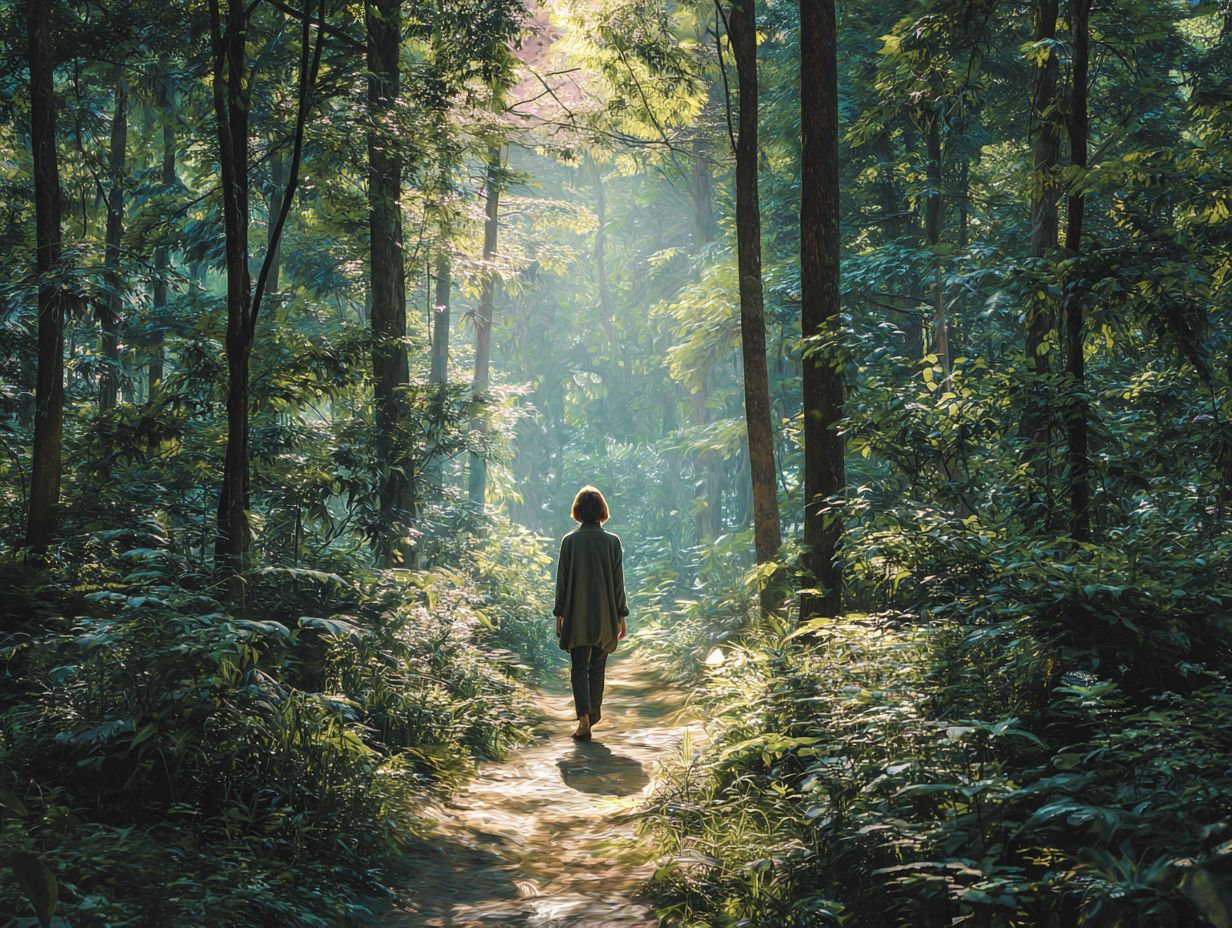
Imagine stepping outside, breathing in the fresh air, and feeling your worries melt away beneath the canopy of trees, embracing the essence of biophilia. Nature isn’t just a pretty backdrop; it plays a vital role in spiritual healing, offering a path to greater consciousness. Understanding how elements like forest bathing and gardening can connect us to deeper aspects of ourselves is essential for achieving holistic health. From ancient beliefs to modern practices, let’s explore the transformative power of nature and how it can foster healing in our lives, promoting personal growth.

Definition and Importance of Spiritual Connections

Definition and Importance of Spiritual Connections

Spiritual healing involves restoring harmony to one’s spirit and promoting overall well-being through various practices and a connection to nature, emphasizing the mind-body connection. This approach typically employs techniques such as meditation, energy healing, and natural therapies to enhance emotional and mental wellness, nurturing intuition and self-awareness.

For instance, a study revealed that 72% of participants in spiritual healing workshops experienced improved mental clarity, achieved through grounding techniques. Practices like Reiki, which focuses on channeling energy to relieve stress and encourage relaxation, along with nature immersion techniques such as forest bathing, can significantly elevate one’s sense of peace.

By incorporating these practices into your routine, you can cultivate resilience and foster a deeper connection to your inner self, exploring the cultural significance of ancient healing techniques.

Connection to Nature and Spiritual Growth

The profound connection between nature and spiritual healing plays a significant role in enhancing emotional wellness by helping individuals engage with their natural surroundings, promoting gratitude. Research conducted by the University of Essex indicates that spending just 90 minutes in a natural environment can lead to a remarkable 30% reduction in anxiety levels.

Eco-therapy, also known as nature therapy, takes advantage of this connection by encouraging individuals to participate in outdoor activities such as hiking, gardening, or simply enjoying a leisurely walk in the park.

This practice not only calms the mind but also cultivates a deeper connection to oneself, promoting mindfulness. By incorporating eco-therapy into your routine, you can nurture both emotional and spiritual well-being while harnessing the restorative power of nature.

The Healing Power of Nature’s Resilience

Nature presents distinct healing properties that can significantly enhance mental health and emotional well-being, thereby underscoring its importance in spiritual healing and environmental consciousness.

Natural Elements and Their Effects

Elements such as water, greenery, and sunlight have a profound impact on our emotional and psychological well-being, fostering healing and a sense of tranquility. Research indicates that spending as little as 20 minutes in a natural environment can lower cortisol levels by up to 15%, promoting relaxation.

Incorporating nature into your daily routine can be quite straightforward. Consider taking a stroll by a river, creating a green space in your yard, or simply opening your windows to invite sunlight into your home.

Engaging in activities like gardening or going for meditative walks not only allows you to immerse yourself in greenery but also enhances your mood and alleviates stress.

It is beneficial to aim for the integration of these natural elements into your life on a weekly basis to maximize mental health benefits.

Scientific Studies Supporting Nature’s Benefits and Healing Properties

Numerous studies indicate that interaction with nature plays a significant role in reducing stress and enhancing emotional wellness, forming a solid basis for its healing potential through reflective practices.

For instance, research from the University of Illinois reveals that just 20 minutes spent in green spaces can lead to a remarkable 50% improvement in mood.

To tap into these benefits, it may be helpful to incorporate regular outdoor walks into your daily routine or even take up gardening, which combines physical activity with the soothing effects of nature.

Additionally, you might consider exploring mindfulness practices like forest bathing, which encourages you to engage your senses and heighten your awareness in natural environments. These activities not only support mental health but also foster a deeper connection to the world around you.

Types of Nature-Based Healing Practices and Their Holistic Benefits

There are various nature-based healing practices that provide unique paths to achieving spiritual and emotional wellness.

These practices range from ecotherapy to forest bathing, each offering distinct benefits for individuals seeking connection with nature and improved well-being.

Ecotherapy

Ecotherapy

Ecotherapy encompasses therapeutic practices aimed at connecting individuals with nature, fostering healing through various outdoor experiences and activities, integrating natural cycles and biodiversity. Research shows that participants in ecotherapy programs experience an impressive 60% reduction in anxiety after just eight weeks.

Engaging in activities such as guided nature walks, where individuals practice mindfulness while taking in their surroundings, or participating in community gardening projects that encourage connection and collaboration, proves to be quite effective.

Additionally, volunteering for environmental clean-up initiatives not only contributes positively to the ecosystem but also enhances emotional well-being, supporting the community. By regularly participating in these activities, individuals can nurture a deeper connection with nature, which can lead to lasting improvements in mental health.

Forest Bathing and Its Rejuvenating Energy

Forest bathing, known as Shinrin-yoku in Japan, is a practice that promotes immersive experiences in forest environments to enhance overall well-being. Engaging in forest bathing can lead to significant reductions in stress levels and improvements in mental health. Research indicates that spending just a few hours in nature can result in a 20% reduction in blood pressure and an enhancement of immune function.

To practice forest bathing, start by locating a nearby forest or natural area. Aim to spend at least 30 minutes walking slowly, paying close attention to your surroundings-take note of the texture of the tree bark, the sound of the rustling leaves, or the scent of pine.

You might also consider using a guided app like ‘Forest Therapy’ to enrich your experience, as it provides mindfulness prompts that help you connect more deeply with the environment.

Gardening as Therapy and Holistic Practices

Gardening is a remarkably effective therapeutic tool that enhances emotional resilience and promotes mindfulness through engagement with nature.

Research consistently indicates that gardening can alleviate symptoms of anxiety and depression. For example, a study conducted by the University of Virginia revealed that participants who engaged in gardening experienced a 71% increase in mood improvement.

Community gardening initiatives, such as those in New York City, bring neighbors together, fostering social connections and supportive networks. These programs not only enhance the visual appeal of neighborhoods but also give the power to participants to share skills and resources, further contributing to their mental well-being.

By nurturing plants, individuals find stress relief and a renewed sense of purpose, making gardening a holistic approach to improving mental health and achieving life balance.

Spiritual Perspectives on Nature

Different spiritual perspectives emphasize the profound relationship between nature and healing, enhancing our comprehension of holistic wellness.

Indigenous Beliefs and Ancestral Wisdom

Many indigenous cultures regard nature as sacred, believing that spiritual healing is closely connected to the natural world and its cycles, recognizing nature’s healing power. For example, numerous Native American tribes engage in smudging rituals that involve sage or sweetgrass. These practices not only purify spaces but also establish a connection between the practitioner and the earth.

The use of ceremonial drums in these traditions reflects nature’s rhythms, creating a profound sense of grounding and unity. Additionally, many tribes emphasize the importance of seasonal cycles in their healing practices, acknowledging that various plants possess different energies throughout the year.

By aligning their healing rituals with the elements of nature and its cycles, these cultures reinforce their belief in the interconnectedness of all life.

Modern Spiritual Practices and Transformative Experiences

Contemporary spiritual practices are increasingly recognizing the significant role that nature plays in personal healing, seamlessly integrating ancient wisdom with modern techniques.

Mindfulness retreats located in tranquil settings, such as forests or mountains, provide participants with opportunities for profound relaxation and self-discovery. During these retreats, individuals often take part in guided meditation, allowing themselves to become attuned to the soothing sounds of birds and the gentle rustling of leaves.

These retreats serve not only as a respite from daily stressors but also as a means to foster a deep connection with the earth, ultimately enhancing emotional well-being and spiritual awakening.

Research has shown that spending time in natural environments can reduce anxiety and improve mood, underscoring the invaluable contribution of nature to modern spiritual practices focused on healing.

Practical Applications of Nature in Healing and Restoration

Practical Applications of Nature in Healing and Restoration

Incorporating nature into daily routines can significantly enhance mental well-being while also fostering a healing environment that supports spiritual growth.

Engaging with the natural world offers a multitude of benefits, encouraging a sense of peace and connection that can be essential for personal development and overall health.

Creating Healing Spaces and Sacred Environments

Designing healing spaces that integrate natural elements can greatly enhance emotional and spiritual well-being. When creating an effective healing environment, it’s important to consider incorporating the following elements:

  • Introduce a variety of houseplants, as they not only purify the air but also contribute to a sense of tranquility and inner peace. Snake plants or peace lilies are excellent choices.
  • Ensure that your space receives ample natural light by positioning it near windows. Sunlight has the power to elevate mood and boost energy levels, contributing to stress reduction.
  • Include a small water feature, such as a tabletop fountain, to promote relaxation through soothing nature sounds.

Spaces thoughtfully designed with these elements can cultivate a sense of peace and rejuvenation. For example, a sunlit corner adorned with succulents and the gentle flow of water can create an ideal retreat.

Integrating Nature into Daily Life and Spirituality

Integrating nature into daily life through simple strategies can significantly foster a sense of peace and enhance overall well-being, emphasizing holistic therapies and self-care.

You can incorporate nature into your routine by taking small, actionable steps. For instance, consider starting your day with a morning walk in a nearby park or garden, allowing yourself to immerse in the fresh air and greenery, which supports emotional release.

Additionally, scheduling a 10-minute outdoor break during your lunch can provide an opportunity to unwind in natural surroundings and appreciate nature’s healing frequencies. Research suggests that these practices can boost your mood by as much as 25%.

Furthermore, keeping indoor plants can be beneficial, as they not only improve air quality but also add a calming aesthetic to your workspace, fostering restorative environments. Engaging with nature on a daily basis can lead to a significant positive shift in your mental health.

Summary of Key Points on Spiritual Journeys and Healing

Spiritual healing through nature provides significant benefits for mental health, emotional balance, and personal development. Engaging in nature-based spiritual practices-such as mindfulness walks, forest bathing, or gardening-can greatly enhance one’s overall well-being and energy flow.

For instance, taking a peaceful stroll through a local park for at least 30 minutes can be quite grounding, tapping into chakras. During this time, focus on the sights, sounds, and smells that surround you. Alternatively, starting a small garden can also be beneficial; nurturing plants not only fosters a sense of achievement but also cultivates a deeper connection with nature and sacred spaces.

Additionally, tools like guided meditation apps (such as Headspace or Calm) can complement these experiences by helping to create a calming atmosphere and presence. Together, these activities foster tranquility and support personal growth.

Future Directions for Research and Practice in Therapeutic Landscapes

Future research should prioritize the long-term benefits of nature-based practices in the realms of spiritual healing and mental health, exploring ancient traditions. This exploration might include longitudinal studies that assess the effects of practices such as ecotherapy, forest bathing, and mindfulness meditation within natural settings.

For example, researchers could evaluate stress reduction and improvements in emotional well-being among participants who engage in weekly nature walks over several months, appreciating nature-inspired art. Additionally, incorporating innovative approaches, such as smartphone applications that guide users through nature-based activities, could significantly enhance user engagement.

Moreover, collaborating with mental health professionals to establish standardized protocols may provide a robust framework for validating these practices in clinical environments, embracing sustainability.

Frequently Asked Questions About Natural Healing and Practice

What is the role of nature in spiritual healing?

What is the role of nature in spiritual healing?

The role of nature in spiritual healing is to provide a source of connection and grounding for individuals seeking spiritual healing. Nature helps to cultivate a sense of peace, mindfulness, and harmony, which are essential for spiritual healing.

How does nature contribute to spiritual healing and emotional release?

Nature contributes to spiritual healing by offering a natural and serene environment for individuals to connect with their inner selves and the world around them. It allows for a deeper understanding of one’s life force and can bring a sense of balance and tranquility.

What are some examples of using nature for spiritual healing?

Examples of using nature for spiritual healing include meditation in a peaceful outdoor setting, walking in a forest or by the ocean to clear the mind and reconnect with the natural world, and participating in nature-based rituals or ceremonies.

Why is nature considered a powerful tool for spiritual healing?

Nature is considered a powerful tool for spiritual healing because it has the ability to evoke a sense of awe and wonder, providing a deeper understanding of oneself and the world. It also helps to disconnect from the distractions of modern life and reconnect with the simplicity and beauty of the natural world.

Can nature help with emotional and mental healing through holistic therapies?

Yes, nature can help with emotional and mental healing. Connecting with nature can bring a sense of peace, calm, and inner reflection, which can be beneficial for those struggling with emotional or mental challenges. Nature can also provide a sense of perspective, helping individuals to see their problems in a different light.

How can one incorporate nature into their spiritual healing practice?

One can incorporate nature into their spiritual healing practice by spending time in natural settings, incorporating outdoor activities like gardening or hiking, using nature as a source of inspiration for creative or meditative practices, and participating in nature-based rituals or ceremonies, appreciating its natural beauty.

Peace Is Every Step: 5 Life Lessons from Thích Nhất Hạnh

Imagine finding peace and tranquility in every step you take. Thch Nht Hnh, a beloved Zen master, shows us how to weave mindfulness into our daily lives. His teachings on compassion, interconnectedness, and the art of walking meditation invite us to explore deeper connections with ourselves, nature, and the world. In this spiritual journey, we’ll uncover the essence of living in the moment and embracing change. Ready to discover how peace can transform your everyday life? Let’s dive in!

Biography and Influence

Biography and Influence

Born in Vietnam in 1926, Thch Nht Hnh embarked on a remarkable journey that transformed from a monastic life into a global advocacy for peace, reshaping the landscape of spirituality. Ordained as a monk at the age of 16, he committed himself to the promotion of mindfulness, compassion, and love.

During the tumultuous period of the Vietnam War, he founded the “Engaged Buddhism” movement, which focused on advocacy for peace and reconciliation. He is well-known for his powerful statement, “There is no way to peace; peace is the way.”

In 1982, he established the Plum Village community in France, creating a sanctuary where mindful living and spiritual teachings could flourish. His teachings highlight the significance of present-moment awareness, inspiring millions around the world to adopt mindfulness as a means of personal and societal healing.

Core Teachings Overview

At the core of Thch Nht Hnh’s teachings is the practice of mindfulness, which emphasizes presence, awareness, and the interconnectedness of all things. To cultivate mindfulness in your daily life, you might consider incorporating simple practices such as mindful breathing or walking.

One effective way to begin your day is to spend five minutes on deep breathing. Focus on each inhale and exhale to help ground yourself in the present moment and foster inner peace. When you encounter stressful situations, taking a brief walk can be beneficial. During this walk, pay attention to the sensations of your feet touching the ground and the various sounds in your environment.

Additionally, setting aside time for a daily gratitude journal can be quite rewarding and promote emotional well-being. Aim to note three things you appreciate each day. This regular practice can help reinforce your awareness and compassion in daily interactions, fostering a deeper connection with yourself and those around you.

The Concept of Mindfulness

Mindfulness, as articulated by Thch Nht Hnh, refers to the practice of being fully present and engaged in the moment. This approach fosters a deeper self-awareness and enhances one’s sense of joy.

Definition and Importance

Mindfulness is the psychological process of directing one’s attention to the present moment, and it has been shown to decrease stress while increasing happiness and clarity.

Research indicates that practicing mindfulness can significantly enhance mental health. A study published in `JAMA Internal Medicine’ revealed that mindfulness meditation effectively reduces anxiety, depression, and pain.

Plus its benefits for mental health, mindfulness also boosts productivity. For example, Google’s mindfulness programs, such as `Search Inside Yourself,’ have demonstrated improvements in employee focus and resilience.

Engaging regularly in mindfulness practices, like daily meditation or mindful breathing exercises, promotes emotional well-being, self-awareness, and helps individuals feel more grounded. Ultimately, this leads to improved decision-making and better management of relationships.

Mindfulness in Daily Life

Incorporating mindfulness into daily life can be achieved through simple practices, such as mindful breathing and conscious eating. One effective method for practicing mindfulness is the 5-4-3-2-1 grounding technique. To begin, find a quiet space and take a moment to observe your surroundings.

  1. Start by identifying five things you can see,
  2. then move on to four things you can touch,
  3. followed by three things you can hear,
  4. two things you can smell,
  5. and finally one thing you can taste.

This exercise serves as a valuable tool to anchor yourself in the present moment.

During your commute, you might focus on your breath: inhale deeply for four counts, hold for four, and exhale for six. By incorporating such practices into your daily routine, you can promote a sense of calm and heightened awareness, enhancing your overall well-being and serenity.

Peace and Compassion

Peace and Compassion

Thch Nht Hnh emphasizes that genuine peace comes from compassion, which is grounded in the understanding of our interconnectedness with all beings and the philosophy of non-attachment.

This perspective invites us to recognize how deeply we are all linked, fostering a sense of empathy and care for one another.

Interconnectedness of All Beings

Understanding the interconnectedness of all beings is crucial for nurturing compassion and empathy in our interactions, promoting peace-building and conscious choices. This principle, referred to in Buddhism as interbeing, highlights the profound impact our actions can have on others.

For example, during the civil rights movement, influential leaders like Martin Luther King Jr. illuminated the shared experiences of injustice, encouraging people to recognize their common humanity. In a similar vein, organizations that address climate change underscore how environmental degradation disproportionately affects marginalized communities around the globe.

By acknowledging these connections, individuals can develop a sense of compassion that motivates social change. This can lead to initiatives such as community gardens, which not only provide food but also bring together diverse groups around common goals.

Practicing Compassion

Practicing compassion can be cultivated through various exercises, such as loving-kindness meditation, which enhances emotional intelligence, self-reflection, and improves relationships.

One particularly effective approach is the Metta Bhavana meditation. In this practice, you silently repeat phrases that express goodwill towards yourself and others. You start by focusing on yourself and then gradually extend your wishes to loved ones, acquaintances, and even individuals with whom you may have conflicts.

Research shows that individuals who engage in this type of meditation experience a notable 23% increase in emotional well-being, along with improved relationships. Additionally, volunteering is another valuable method that has demonstrated the ability to enhance community bonds and increase empathy.

By actively participating in these practices, you can foster a more compassionate mindset and strengthen your connections with others.

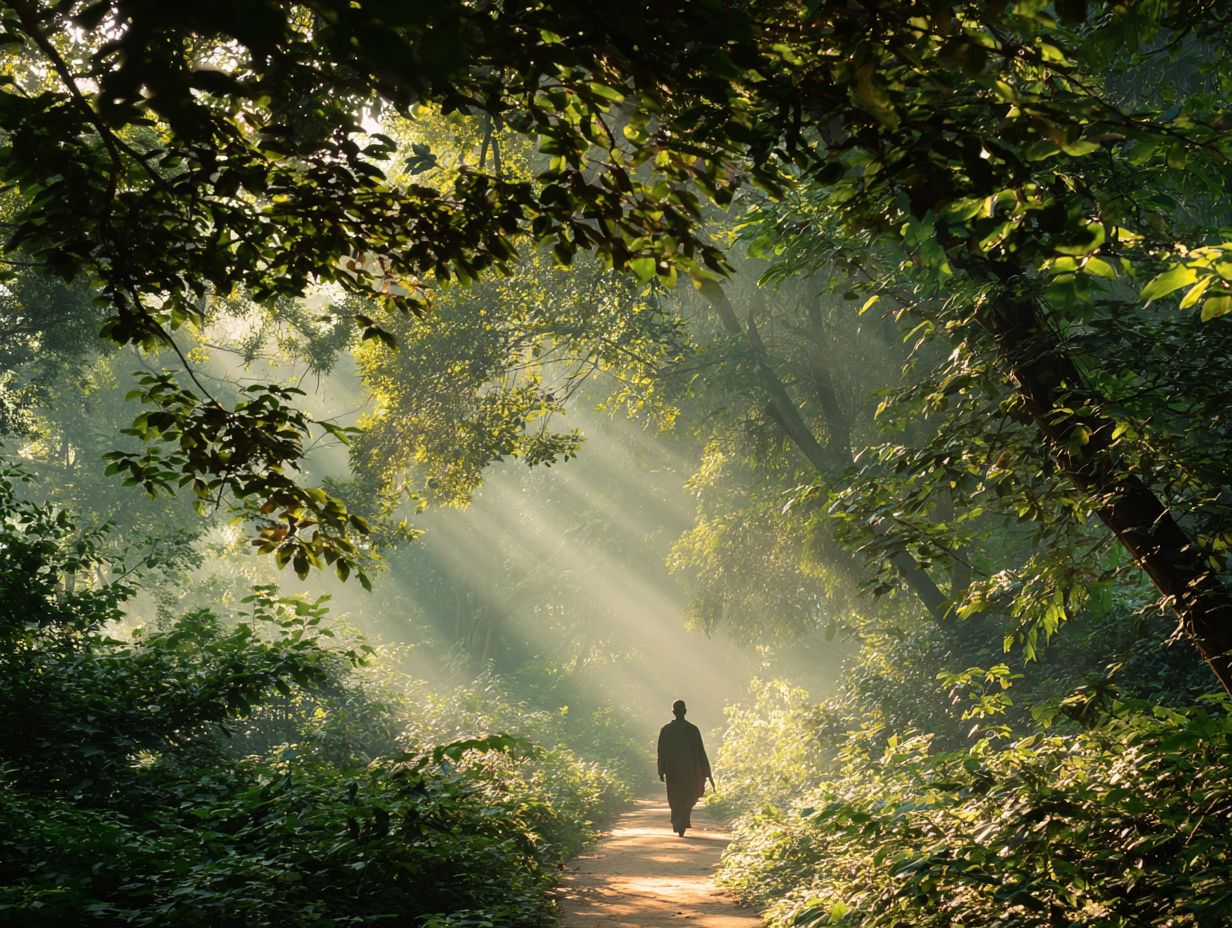
The Practice of Walking Meditation

Walking meditation is an effective mindfulness practice that integrates movement with breath awareness, thereby strengthening the connection between the mind and body and fostering a sense of stillness in action.

This technique encourages individuals to cultivate a deeper sense of presence and clarity as they engage in both physical activity and mindful breathing.

Steps to Effective Walking Meditation

To practice walking meditation, it is helpful to follow a few straightforward steps.

  1. First, find a quiet space where you can focus without distractions.
  2. Begin by centering your attention on your breath, then synchronize your steps with your inhalations and exhalations.
  3. Start by standing tall, with your feet hip-width apart and your weight evenly distributed.
  4. As you breathe in, take a small step forward, paying attention to the sensation of the ground beneath you.
  5. It is important to maintain a slow, deliberate pace; aim for approximately three steps per breath.
  6. To enhance your experience, consider practicing in a natural setting, such as a park, where you can observe your surroundings and connect with nature.
  7. You may also find it beneficial to use a timer set for 10 to 15 minutes initially, gradually increasing the duration as you become more comfortable with the practice.

Benefits of Walking Meditation

Benefits of Walking Meditation

Walking meditation presents a variety of benefits, such as reduced anxiety, improved focus, and enhanced overall well-being. Research indicates that individuals who engage in walking meditation report a remarkable 30% decrease in stress levels after consistent practice. Additionally, the moderate exercise involved offers cardiovascular benefits.

To begin your practice, it is advisable to select a quiet and pleasant route where you can walk without interruptions, promoting relaxation and present awareness. Start by concentrating on your breath, gradually connecting each inhale and exhale with your steps.

Utilizing apps like Insight Timer or Calm can offer guided sessions that support mindfulness. Many regular participants observe enhanced clarity and emotional resilience as significant long-term benefits of their practice.

Embracing Impermanence

Embracing impermanence is essential for cultivating resilience and acceptance in life, as it prompts us to appreciate each moment in its entirety and fosters a sense of understanding and adaptability.

By acknowledging the transient nature of experiences, we can learn to value what we have right now and navigate life’s changes with a greater sense of understanding and adaptability.

Understanding Change

Understanding that change is a fundamental aspect of life enables individuals to face challenges with an attitude of acceptance, personal growth, and transformation. Thch Nht Hnh, a revered Buddhist teacher, often highlighted the beauty of transformation. He famously expressed, “No mud, no lotus,” which emphasizes that challenges can lead to the development of inner strength.

To cultivate resilience, individuals may explore various methods such as:

  • Mindfulness meditation, which helps enhance self-awareness
  • Journaling to reflect on emotions and track personal progress

Additionally, participating in community support groups can strengthen the sense of belonging, allowing people to navigate their personal transformations collectively. By embracing these strategies and the intention to cultivate peace, one can develop a more positive outlook on the inevitable changes that life presents.

Living in the Present Moment with Joyfulness

Living in the present moment with mindful awareness requires us to intentionally redirect our focus away from past regrets or future anxieties. One effective approach to fostering present-moment awareness is to set reminders on your phone to pause and take deep breaths several times throughout the day.

For example, taking just one minute every hour to concentrate solely on your breathing can be quite beneficial.

This spiritual practice can lead to a significant reduction in stress levels and improve emotional regulation. It may also be worthwhile to consider mindfulness activities such as meditation or yoga, as these practices help anchor your awareness in the present, promoting a sense of calm and enhancing overall mental well-being through Zen teachings.

Applying Lessons in Everyday Life with Existential Awareness

Implementing lessons from Thch Nht Hnh offers a wonderful opportunity to transform everyday activities into moments of mindfulness, clarity, and self-discovery.

Incorporating mindfulness into daily life can be achieved through simple practices. For instance, when cooking, one can focus on the colors, textures, and aromas of the ingredients. This sensory engagement can elevate meal preparation into a calming ritual that promotes holistic living and intentionality.

During commutes, consider replacing the usual rush with mindful breathing-pay attention to your breath and the sensations around you, whether you are driving or using public transportation. This practice encourages spiritual awakening and acceptance of self.

Additionally, setting aside a few moments each day for mindful walking, where you concentrate on each step and your surroundings, can significantly enhance overall well-being and awareness of breathing.

Continuing the Journey of Peace through Mindful Awareness

Continuing the Journey of Peace through Mindful Awareness

Continuing the journey toward peace necessitates a commitment to mindfulness practices and the cultivation of compassion in every facet of life. To deepen your mindfulness and consciousness, it may be helpful to consider integrating the following practices into your daily routine:

  1. Begin each morning with five minutes of focused breathing, gradually increasing the duration as you become more comfortable. This helps nurture the joy of living and equanimity.
  2. Exploring books by Thch Nht Hnh, such as “The Miracle of Mindfulness,” can provide valuable insights and techniques to enhance your practice, encouraging wisdom and non-judgment.
  3. Participating in local workshops or classes can foster a sense of community support and motivation, promoting nurturing relationships and leading with love.
  4. Utilizing apps like Headspace or Calm can offer guided meditations, helping you maintain consistency and engagement in your mindfulness journey by cultivating peace and balance.

Frequently Asked Questions

What is the meaning behind the title “Peace Is Every Step: Lessons from Thch Nht Hnh” through Spiritual Practice?

The title refers to the idea that peace is not a distant goal to be achieved, but rather a path that we can cultivate in our everyday actions and interactions. Thch Nht Hnh teaches us that peace is available to us in each moment, and we can find it by being mindful, embracing simplicity, and present in our daily lives.

Who is Thch Nht Hnh and why is he considered a spiritual leader?

Thch Nht Hnh is a Vietnamese Buddhist monk and peace activist who has dedicated his life to teaching mindfulness and promoting peace and reconciliation. He is widely known for his teachings on Engaged Buddhism, and his peaceful activism during the Vietnam War. His wisdom and compassion have inspired millions and earned him the respect and admiration of people from all walks of life.

What are some of the key lessons that we can learn from Thch Nht Hnh’s teachings in “Peace Is Every Step” regarding Suffering and Non-Violence?

There are many valuable lessons in this book, but some of the key ones include the power of mindfulness and living in the present moment, the importance of compassion and understanding towards ourselves and others, and the transformative effects of deep listening and loving speech. Thch Nht Hnh also teaches us about the interconnectedness of all beings and the concept of interbeing, guiding us towards liberation and harmony.

How does Thch Nht Hnh define peace and what does it look like in practice through Spiritual Awakening?

According to Thch Nht Hnh, peace is not just the absence of war or conflict, but also the presence of understanding, love, and compassion. In practice, it looks like being fully present and attentive in our daily activities, cultivating inner peace through meditation and mindfulness, experiencing peaceful coexistence, and practicing loving-kindness and forgiveness towards others.

Can people of any religion or belief system benefit from Thch Nht Hnh’s teachings on Authenticity?

Absolutely. Thch Nht Hnh’s teachings are not limited to any particular religion or belief system. They are based on universal principles of mindfulness, compassion, and interconnection that can be applied by anyone, regardless of their religious or spiritual background. His messages of peace, positive energy, and understanding are relevant and valuable to people of all faiths or no faith at all.

What are some practical ways that we can incorporate Thch Nht Hnh’s teachings into our daily lives through Mindful Eating?

Thch Nht Hnh offers many practical suggestions in his book, such as mindful breathing, walking meditation, and eating mindfully. Other ways to incorporate his teachings include practicing deep listening and loving speech in our relationships, cultivating gratitude and compassion in action, and finding moments of peace and mindfulness in our daily routines, trusting the process of self-care and letting go.

Harnessing Silence and Stillness: Healing Your Mind Naturally

Imagine a world where the chaos fades away, replaced by a soothing hush that calms your racing thoughts. That’s the power of silence and stillness! As we navigate through life’s noise, understanding how these elements can heal our minds becomes essential. Dive into the fascinating science behind silence, explore practical techniques to embrace stillness, and discover inspiring stories of personal growth and transformation. Ready to unlock the secrets of a clearer, healthier mind? Let’s explore together!

The Importance of Mental Health

The Importance of Mental Health

Mental health influences every aspect of our lives, shaping our relationships, work performance, and overall happiness. Research indicates that 1 in 5 adults experiences mental illness each year. This is not just a personal issue; mental health can have a profound impact on productivity as well.

According to a report from the World Health Organization, depression and anxiety alone cost the global economy approximately $1 trillion annually in lost productivity.

To foster mental well-being, individuals can adopt various practices.

  • Mindfulness meditation, for instance, has been shown to effectively reduce stress.
  • Engaging in regular physical activity, such as a brisk 30-minute walk, can also be beneficial, as it releases endorphins, which elevate mood.
  • Additionally, cultivating strong social connections is crucial; it highlights the importance of incorporating mental health care into our daily routines.

The Science Behind Silence

Research indicates that silence can promote brain growth. In fact, studies have demonstrated that spending just two hours in silence can lead to a remarkable 60% increase in new cell growth in the hippocampus.

This finding underscores the potential benefits of incorporating quiet time into our routines for cognitive enhancement.

Neurological Benefits

Silence plays a crucial role in stimulating the brain’s neuroplasticity, a process that enhances cognitive function and emotional regulation, ultimately leading to improved mental tranquility and clarity.

Research published in Neuroscience highlights that even just two minutes of silence can result in significant changes in brain wave activity, which enhances focus and creativity. For example, incorporating quiet moments into your daily routine-whether through silent walks or practicing mindfulness meditation-can effectively boost your cognitive abilities.

Utilizing tools like the ‘Headspace’ app can guide you through short meditation sessions tailored to your specific preferences, allowing you to fully embrace the benefits of silence. Additionally, creating a dedicated quiet space at home or in the workplace for cognitive restoration encourages moments of reflection, further enhancing mental clarity.

Impact on Stress Levels

Experiencing just two minutes of silence can reduce cortisol levels by up to 39%, offering significant stress relief during high-pressure situations.

To incorporate moments of silence into your daily routine, consider establishing dedicated quiet times. For example, you might schedule a brief silence break during lunch, where you close your eyes and focus on your breath using breathing techniques for five minutes.

Another option is to try a ‘silent morning’ by beginning your day without screens or distractions for 10 to 15 minutes. Additionally, using noise-canceling headphones can help you find solitude in a bustling environment.

Engaging in mindful practices, such as meditation or simply enjoying nature therapy the quiet of nature, can create a calming atmosphere that effectively alleviates stress.

Understanding Stillness

In today’s fast-paced world, taking the time to define and embrace stillness for mental rejuvenation can be a powerful tool for mental rejuvenation and self-reflection.

By allowing ourselves moments of quiet, we can foster a deeper understanding and clarity of our thoughts and feelings.

Defining Stillness in a Busy World

Defining Stillness in a Busy World

Stillness is not simply the absence of activity; it signifies a state of mental calmness that can be fostered through deliberate practices, such as mindfulness and meditation.

To cultivate stillness in your daily routine, consider setting aside specific times for deep breathing exercises or guided meditation. Utilizing apps like Headspace or Calm can provide structured sessions that enhance your experience. Even a brief five-minute pause during a busy day can significantly improve your focus.

You might also explore incorporating straightforward practices into your life, such as establishing a morning ritual that includes stretching and reflection, or unplugging from technology before bedtime to quiet the mind.

By intentionally scheduling these moments, you can create a more serene mental space, allowing you to navigate the constant demands of daily life with greater ease.

Stillness as a Form of Meditation

Incorporating stillness into meditation practices enables individuals to access deeper levels of introspection and emotional healing. Two effective techniques that highlight the importance of stillness are Vipassana and Zen meditation.

  1. To start with Vipassana, find a quiet space and sit comfortably. Focus your attention on your breath, observing the sensations that arise without becoming attached to them. Aim to practice for at least 10 minutes each day, gradually increasing the duration as you become more comfortable.

  2. For Zen meditation, also known as Zazen, begin by sitting upright and focusing on self-reflection on your posture before shifting your attention to your breathing. This practice is typically conducted in silence, which helps cultivate a sense of deep awareness.

Additionally, consider using meditation apps like Headspace or Calm, as they offer guided sessions that can facilitate your exploration of these practices.

Practical Techniques for Embracing Silence

Establishing an environment that promotes silence can greatly improve your mental health. There are simple techniques that anyone can adopt to achieve this.

Creating a Silent Space

Transforming a room into a silent sanctuary starts with eliminating distractions. It’s helpful to consider soundproofing materials and decluttering your space to foster a calming environment.

  1. To begin, declutter your area by removing any items that disrupt your sense of peace. This initial step can significantly enhance the overall ambiance.
  2. For improved soundproofing, consider installing acoustic panels on the walls, which are readily available at home improvement stores.
  3. It’s also important to reduce hard surfaces in the room; using rugs or carpets can effectively absorb sound, while heavy curtains can help block noise from outside.
  4. Additionally, you might find that white noise machines, such as the LectroFan, are beneficial for masking unwanted sounds.

By taking these steps, you can collectively create a tranquil and focused atmosphere, which is essential for both relaxation and productivity.

Mindfulness Practices

Incorporating mindfulness techniques, such as deep breathing and body scans, can significantly enhance mental clarity, emotional balance, and peace of mind in just a few minutes.

To practice mindful breathing, it’s beneficial to find a quiet space for contemplation where you can sit comfortably and close your eyes. Begin by inhaling deeply through your nose for a count of four, holding your breath for another count of four, and then exhaling through your mouth for a count of six. Repeating this cycle for about five minutes can greatly improve your sense of calm.

For a body scan, simply lie down and mentally check in with each part of your body, starting from your toes and moving upward to your head. Take note of any tension or discomfort you may feel along the way.

Both of these techniques require no special tools and can easily be incorporated into your daily routine, effectively fostering a sense of calmness, focus, and inner peace.

Integrating Stillness into Daily Life

Integrating Stillness into Daily Life

Incorporating moments of stillness into your daily routine can greatly enhance your focus and emotional resilience, leading to a more peaceful mindset.

Daily Routines

Starting your day with just 10 minutes of stillness practice can set a positive tone, enhancing mental clarity and reducing anxiety as the day unfolds.

To incorporate stillness effectively, consider adopting a morning routine that includes mindful breathing or meditation. For instance, you might sit comfortably, close your eyes, and focus on your breath for five minutes. Utilizing apps like Headspace or Calm can provide helpful guided meditation options to facilitate this practice.

In the evening, taking the time to reflect on your day through journaling for another five minutes can be beneficial for introspective silence and emotional insight. This practice not only helps consolidate your thoughts but also allows you to unwind, contributing to an overall sense of peace.

When combined, these practices can significantly enhance your mental well-being.

Time Management Tips

Effective time management can indeed create opportunities for stillness, employing strategies that recognize the importance of mental health alongside productivity.

For instance, using techniques like the Pomodoro Technique-where one focuses for 25 minutes followed by a 5-minute break-can significantly enhance concentration while providing regular moments of stillness.

Another effective approach is time blocking, which involves designating specific hours for tasks throughout your day and ensuring that breaks are included for reflection and rest.

Utilizing tools such as Google Calendar or ToDoist can help visualize this plan, making it easier to implement.

By treating stillness as a non-negotiable appointment, individuals enable themselves to prioritize mental clarity and psychological well-being, even in the midst of a busy schedule.

Case Studies and Personal Testimonials

Examining real-life transformations highlights the significant influence that embracing silence and stillness can have on mental health, stress reduction, and emotional resilience.

Real-Life Transformations

Jane, a corporate executive, has observed a remarkable 50% reduction in her anxiety levels after introducing daily stillness practices and sound therapy into her routine. By committing just 15 minutes twice a day to mindfulness meditation, she discovered that her focus improved and her stress levels decreased.

She employed tools like Headspace for guided meditation sessions, which contributed to better sleep quality and a heightened sense of calm. Additionally, she explored sound therapy apps such as Calm, where soothing background sounds further facilitated her relaxation.

Due to these restorative practices, Jane not only experienced a significant drop in anxiety but also became more productive and engaged in her work, ultimately leading to a more fulfilling professional life.

Embracing Silence and Stillness for a Healthier Mind

Embracing Silence and Stillness for a Healthier Mind

Incorporating silence and stillness into your daily life can lead to significant improvements in tranquility, mental clarity, psychological benefits, and overall well-being.

Begin by setting aside a few minutes each day for quiet reflection. You might explore techniques such as mindfulness meditation, which can be conveniently practiced using apps like Headspace or Calm. These platforms offer guided sessions tailored to your specific needs.

It is also beneficial to designate a quiet space in your home for this practice, ensuring it is free from distractions to help you establish a routine. Gradually increase your silent time, starting with 10 minutes each day and working your way up to 30 minutes.

Additionally, consider engaging in nature walks without the interference of technology. This allows your mind to unwind and connect with the world around you. Taking the first step to integrate silence into your life today can lead to profound benefits.

Frequently Asked Questions

What are some benefits of silence and stillness for the mind?

Silence and stillness can help promote relaxation, reduce stress and anxiety, improve focus and concentration, and increase self-awareness and introspection. It can also aid in improving sleep quality and overall mental well-being.

How does silence and stillness help in managing emotions?

By taking a break from external stimuli and distractions, silence and stillness allow the mind to process and work through any overwhelming or intense emotions. It can also provide a safe space for self-reflection and finding clarity and peace.

Can silence and stillness be helpful for those with busy and hectic lifestyles?

Absolutely. Taking time to disconnect and embrace silence and stillness can offer a much-needed break from the constant noise and chaos of daily life. It can help restore balance and provide a sense of calm to a busy mind.

Are there any scientific studies that support the healing benefits of silence and stillness for the mind?

Yes, research has shown that practicing silence and stillness can have a positive impact on brain structure and function, with changes in brain activity that promote relaxation, creativity, and emotional intelligence.

Can anyone practice silence and stillness, regardless of their lifestyle or schedule?

Yes, anyone can incorporate moments of silence and stillness into their daily routine. It can be as simple as taking a few deep breaths in a quiet room or finding a few minutes of solitude during a busy day. The key is to make it a priority and find what works best for you.

How can silence and stillness be used in conjunction with other forms of therapy or self-care practices?

Silence and stillness can complement and enhance other forms of therapy and self-care practices. It can be a valuable tool for managing stress and anxiety, improving mindfulness and self-awareness, and promoting overall mental and emotional well-being.

Mindfulness for Stress Relief: 5 Tips for a Calmer Life

Feeling overwhelmed by the hustle and bustle around you? You’re not alone. In our fast-paced lives, stress seems to lurk around every corner, but there’s a powerful tool that can help you reclaim your calm: mindfulness. From understanding what mindfulness truly means to exploring its science-backed benefits and practical techniques, let’s dive into how you can weave mindfulness into your everyday life for a more peaceful existence. Curious about how to get started? Keep reading!

Definition and Importance of Self-Awareness

Definition and Importance of Self-Awareness

Mindfulness can be understood as the psychological process of directing one’s attention to the present moment, which has been shown to significantly reduce stress and improve emotional regulation. This practice enhances psychological flexibility and emotional intelligence, promoting personal growth and self-discovery.

Research, including a comprehensive meta-analysis from 2018 published in JAMA Network, suggests that engaging in consistent mindfulness practices can lead to a remarkable 29% reduction in anxiety levels.

To seamlessly incorporate mindfulness into your daily routine, you might consider practices such as:

  • Meditation and self-reflection
  • Mindful breathing exercises
  • Mindful walking

Additionally, tools like Headspace and Calm provide guided practices tailored for beginners, fostering mental clarity and inner peace. Even simple techniques, such as focusing on your breath for just a few minutes each day, can bring about positive changes.

To cultivate this habit, setting reminders or scheduling specific times in your day can greatly enhance your emotional well-being.

Historical Context

Mindfulness, which has its roots in Buddhist traditions, has transformed into a secular practice that gained popularity through programs like Jon Kabat-Zinn’s Mindfulness-Based Stress Reduction (MBSR) in the late 1970s. Kabat-Zinn’s groundbreaking work combined mindfulness meditation with cognitive therapy, making a significant impact on the field of clinical psychology.

MBSR teaches individuals how to cultivate awareness through structured programs, often conducted in group settings. This method not only supports mental health but also improves emotional regulation and stress management.

Other influential figures in the mindfulness movement, such as Thich Nhat Hanh and Sharon Salzberg, have further advanced the practice by emphasizing the importance of compassion and loving-kindness.

Today, mindfulness practices are widely adopted in healthcare, education, and corporate environments, showcasing their broad applicability and effectiveness across various fields, contributing to holistic health and wellness.

Understanding Stress in the Modern World

In today’s world, stress has become a prevalent experience for many individuals, driven by a variety of factors, such as technology and societal expectations.

Common Sources of Stress and Coping Mechanisms

Common sources of stress often include work pressure, financial concerns, and relationship issues, all of which can trigger various emotional responses. Research indicates that around 60% of workers report experiencing stress due to work demands, which can lead to anxiety and a decline in job satisfaction.

To counteract these effects, it may be beneficial to implement stress management techniques, such as mindfulness practices or taking scheduled breaks.

For instance, tools like Headspace provide guided meditations, while apps like RescueTime can help monitor productivity, contributing to a healthier work-life balance.

Regarding addressing financial concerns, budgeting apps like Mint can be quite useful. These tools track spending and savings goals, ultimately alleviating some of the monetary pressures. Effectively managing these stressors can result in a significant improvement in emotional well-being.

Impact of Technology

The widespread use of technology plays a significant role in increasing stress levels, with research showing that 80% of individuals report feeling overwhelmed by digital notifications. To help alleviate this stress, it may be beneficial to consider a digital detox as a coping strategy.

Start by establishing specific times during the day when you will refrain from using your smartphone.

For example, you might designate meals or the first hour after waking up as tech-free periods. Additionally, limiting your social media usage to just 30 minutes each day can also be advantageous. Research indicates that adopting these practices can notably decrease anxiety levels and enhance focus.

It is also worthwhile to explore mindfulness apps such as Headspace or Calm, which promote intentional technology use. These resources can assist you in regaining control over your digital life.

The Science of Mindfulness

Recent neuroscience research has shown that mindfulness practices can lead to physical changes in brain structures, particularly enhancing areas associated with emotional regulation.

This finding underscores the significant impact that mindfulness can have on our mental well-being and emotional health.

How Mindfulness Affects the Brain

How Mindfulness Affects the Brain

Research indicates that practicing mindfulness can significantly increase gray matter density in the brain areas associated with memory and emotional regulation, as demonstrated by a study conducted by neuroscientists at Harvard.

An eight-week Mindfulness-Based Stress Reduction (MBSR) program can result in noteworthy changes in brain structure. Findings published in the journal Psychiatry Research: Neuroimaging revealed that participants showed an increase in gray matter volume in the hippocampus, a region crucial for memory processing.

Incorporating daily mindfulness practices-like meditation, breathing exercises, or yoga-can further enhance these benefits. Engaging in regular mindfulness sessions, even if they last as little as 10 minutes a day, fosters emotional stability and enhances cognitive functions. This ultimately contributes to a healthier and more balanced mind.

Mindfulness Benefits for Mental Health

Mindfulness practices have been shown to significantly reduce symptoms of anxiety and depression, with research indicating that patients undergoing mindfulness training can experience up to a 50% improvement in their conditions. A meta-analysis published in ‘JAMA Internal Medicine’ found that mindfulness-based therapies can lower anxiety levels by approximately 30% and enhance overall mood stability.

For those new to mindfulness, techniques such as guided meditation apps like Headspace or Calm can serve as a helpful introduction. Regular engagement in yoga can further reinforce these benefits, promoting mental resilience and well-being.

To achieve optimal results, it is advisable to practice mindfulness for at least 10-15 minutes each day, incorporating breathing exercises and body scans into the routine. Over time, these small, consistent practices can lead to a significant enhancement in emotional well-being.

Mindfulness Techniques for Stress Relief and Emotional Healing

Incorporating specific mindfulness techniques into one’s daily routine can significantly lower stress levels and improve overall well-being.

Breathing Exercises

Breathing exercises, such as the 4-7-8 technique, can effectively reduce stress levels within minutes, making them a valuable resource for immediate relief and improving emotional balance.

To practice the 4-7-8 method, begin by finding a comfortable seated position and fully exhaling through your mouth.

Next, inhale quietly through your nose for a count of four, hold your breath for a count of seven, and then exhale completely through your mouth for a count of eight. It’s beneficial to repeat this cycle four times.

If you prefer guided sessions, consider using apps like Calm or Headspace, which offer structured breathing exercises.

Research indicates that regular practice of these techniques can lower cortisol levels, allowing individuals to manage stress more effectively.

Body Scan Meditation

Body scan meditation is a valuable practice that promotes awareness of physical sensations, allowing individuals to identify areas of tension and effectively release stress throughout the body.

To engage in body scan meditation, it is advisable to begin by finding a quiet and comfortable space. You can either lie down or sit, closing your eyes to minimize distractions.

Start by directing your attention to your toes, paying close attention to any sensations, tension, or relaxation you may feel. Gradually work your way up through each part of your body-feet, legs, abdomen, chest, arms, and head-spending a few moments on each area to fully observe your physical state.

For additional support, consider exploring the free audio resources available on the Insight Timer app, which provides a variety of body scan meditations. Research indicates that these practices can significantly reduce stress and anxiety levels, thereby enhancing overall well-being.

Mindful Walking

Mindful walking transforms what may seem like a simple act into a meditative practice that enhances one’s presence and grounding, ultimately helping to alleviate stress.

To engage in mindful walking, begin by selecting a tranquil location, such as a local park or nature trail. As you walk, direct your attention to the sensations in your body-the connection of your feet with the ground, the rhythm of your breath, and the sounds in your environment.

Aim for a duration of 20 to 30 minutes, allowing your mind to settle. Research suggests that spending time outdoors can significantly reduce anxiety levels and improve mood, making places like Central Park or nearby trails excellent choices for this practice.

By incorporating regular mindful walks into your routine, you can greatly enhance your overall mental well-being and cultivate stress awareness.

Incorporating Mindfulness into Daily Life

Incorporating Mindfulness into Daily Life

Incorporating mindfulness exercises into one’s daily routine can foster sustainable habits that enhance mental clarity and aid in stress management skills.

This practice encourages individuals to cultivate a greater awareness of their thoughts and feelings, ultimately contributing to a more balanced and focused mindset and mental peace.

Creating a Mindful Routine

Establishing a mindful routine can be quite straightforward, such as dedicating just 10 minutes each morning to meditation or personal reflection. To enhance this practice, you might consider using the Daylio app to track your moods and activities. Begin by selecting a quiet space that is free from distractions.

Incorporating breathing exercises for a few minutes can be beneficial, followed by transitioning into a guided meditation through apps like Headspace or Calm. After your session, it can be helpful to jot down any thoughts or feelings in Daylio, allowing you to identify patterns over time.

Striving to maintain this routine at least five times a week can foster consistency and deepen your mindfulness practice, enhancing your lifestyle changes.

Mindfulness at Work

Implementing mindfulness practices in the workplace can significantly enhance productivity and reduce stress levels, with research indicating that employee engagement can increase by as much as 30%. To effectively integrate mindfulness, organizations such as Google and Aetna have established structured programs.

Utilizing tools like Headspace for Work, which offers guided meditations specifically designed to alleviate anxiety and improve concentration, can be quite beneficial. Additionally, organizing mindfulness workshops and creating quiet spaces for meditation can contribute to fostering a more supportive environment.

It is also advisable to encourage employees to take short breaks for deep breathing exercises. Even something as simple as stepping away from their desks for a few minutes can make a remarkable difference.

This multifaceted approach not only promotes individual well-being but also helps cultivate a healthier organizational culture, enhancing the mind-body connection.

Challenges and Misconceptions

Despite the benefits of mindfulness, many individuals encounter challenges and misconceptions that can impede their practice, such as stress triggers.

Common Barriers to Practice

Common barriers to mindfulness practice include time constraints, skepticism, emotional distress, and challenges with maintaining focus during sessions.

To address time constraints, one might consider starting with just five minutes of guided mindfulness each day, utilizing apps like Headspace or Calm. These platforms provide structured sessions that gradually increase in length, allowing for a smooth transition into longer practices.

If skepticism presents itself, it can be beneficial to explore mindfulness research that highlights the advantages of mindfulness, such as reduced stress and enhanced focus.

For those struggling with focus, the Pomodoro technique may be useful: meditate for five minutes, followed by a short break before continuing. This approach divides practice into manageable segments, making it easier to maintain consistency over time.

Debunking Myths

Myths surrounding mindfulness, such as the notion that it necessitates emptying the mind, can discourage individuals from embarking on their mindfulness journey. In truth, mindfulness is about concentrating on the present moment without judgment, rather than striving to achieve a blank state of mind.

For instance, busy professionals like Sarah have discovered that dedicating just five minutes a day to mindful breathing can significantly enhance their productivity.

Tools such as Headspace and Calm offer guided sessions designed to help beginners ease into the practice. Additionally, real testimonials emphasize that distractions are indeed a part of mindfulness; recognizing them is a crucial step in the process.

Ultimately, beginning with short, consistent practices tends to be more effective than attempting to meditate for extended periods.

Resources for Further Learning

Resources for Further Learning

There is a wealth of resources available for individuals seeking to expand their mindfulness practice, including books, apps, online courses, and mindfulness community connections.

For insightful reading, consider diving into “The Miracle of Mindfulness” by Thich Nhat Hanh, which introduces practical techniques to cultivate mindfulness in everyday life.

You may also find value in “Wherever You Go, There You Are” by Jon Kabat-Zinn, as it offers thoughtful reflections on the practice of mindfulness.

Additionally, apps such as Headspace and Calm provide guided meditations tailored to various skill levels, making mindfulness easily accessible at any time, supporting self-care and stress relief techniques.

If you prefer structured learning, take a look at Coursera’s “Mindfulness for Well-Being” course, which effectively combines theoretical knowledge with practical exercises, give the power toing you to integrate mindfulness seamlessly into your daily routines.

Encouragement to Practice

Starting a mindfulness practice may initially seem overwhelming, but dedicating just a few minutes each day can lead to substantial improvements in mental health and overall well-being.

To begin, consider simple techniques such as mindful breathing or guided meditation. For example, you might find apps like Headspace or Calm particularly helpful, as they offer structured sessions that last anywhere from 5 to 10 minutes.

Establishing a specific time each day-perhaps first thing in the morning or during your lunch break-can help create a consistent routine, encouraging mindfulness in daily life.

Over the next 30 days, aim to gradually increase the duration of your practice, with a target of reaching 15 minutes by the end of the challenge. Remember, small and consistent efforts can greatly enhance your mindfulness and effectively reduce stress.

Frequently Asked Questions

What is mindfulness and how does it help with stress relief in today’s modern world?

Mindfulness is the practice of being present and aware of one’s thoughts, emotions, and surroundings. In today’s modern world, where there is constant stimulation and pressure, practicing mindfulness can help reduce stress and promote a sense of calm and clarity.

How does mindfulness differ from other stress-relieving techniques?

Mindfulness is unique in that it focuses on being in the present moment, rather than trying to escape or distract from stress. By acknowledging and accepting stress and its triggers, mindfulness allows for a deeper understanding and a more peaceful response to stress.

Can anyone practice mindfulness for stress relief, or does it require a specific set of skills?

Anyone can practice mindfulness for stress relief, as it is a simple and accessible technique. It does not require any special skills or training, just a willingness to be present and aware of one’s thoughts and surroundings.

What are some practical ways to incorporate mindfulness into a busy modern lifestyle?

Incorporating mindfulness into a busy modern lifestyle can be as simple as taking a few moments to focus on the breath, practicing gratitude, or engaging in mindful activities such as yoga or meditation. Setting aside even just a few minutes a day can make a significant impact on stress levels.

How does mindfulness for stress relief impact overall well-being and mental health in a modern society?

Practicing mindfulness for stress relief has been shown to improve overall well-being and mental health in modern society. By reducing stress and promoting a sense of calm and clarity, mindfulness can help decrease the risk of developing mental health issues such as anxiety and depression.

Are there any potential challenges or obstacles in incorporating mindfulness for stress relief in a modern world?

One potential challenge in incorporating mindfulness for stress relief in a modern world is finding the time and space to practice it. However, with dedication and determination, even a few minutes of mindfulness can make a difference in reducing stress and promoting well-being.