
Feeling overwhelmed by the hustle and bustle around you? You’re not alone. In our fast-paced lives, stress seems to lurk around every corner, but there’s a powerful tool that can help you reclaim your calm: mindfulness. From understanding what mindfulness truly means to exploring its science-backed benefits and practical techniques, let’s dive into how you can weave mindfulness into your everyday life for a more peaceful existence. Curious about how to get started? Keep reading!
Definition and Importance of Self-Awareness

Mindfulness can be understood as the psychological process of directing one’s attention to the present moment, which has been shown to significantly reduce stress and improve emotional regulation. This practice enhances psychological flexibility and emotional intelligence, promoting personal growth and self-discovery.
Research, including a comprehensive meta-analysis from 2018 published in JAMA Network, suggests that engaging in consistent mindfulness practices can lead to a remarkable 29% reduction in anxiety levels.
To seamlessly incorporate mindfulness into your daily routine, you might consider practices such as:
- Meditation and self-reflection
- Mindful breathing exercises
- Mindful walking
Additionally, tools like Headspace and Calm provide guided practices tailored for beginners, fostering mental clarity and inner peace. Even simple techniques, such as focusing on your breath for just a few minutes each day, can bring about positive changes.
To cultivate this habit, setting reminders or scheduling specific times in your day can greatly enhance your emotional well-being.
Historical Context
Mindfulness, which has its roots in Buddhist traditions, has transformed into a secular practice that gained popularity through programs like Jon Kabat-Zinn’s Mindfulness-Based Stress Reduction (MBSR) in the late 1970s. Kabat-Zinn’s groundbreaking work combined mindfulness meditation with cognitive therapy, making a significant impact on the field of clinical psychology.
MBSR teaches individuals how to cultivate awareness through structured programs, often conducted in group settings. This method not only supports mental health but also improves emotional regulation and stress management.
Other influential figures in the mindfulness movement, such as Thich Nhat Hanh and Sharon Salzberg, have further advanced the practice by emphasizing the importance of compassion and loving-kindness.
Today, mindfulness practices are widely adopted in healthcare, education, and corporate environments, showcasing their broad applicability and effectiveness across various fields, contributing to holistic health and wellness.
Understanding Stress in the Modern World
In today’s world, stress has become a prevalent experience for many individuals, driven by a variety of factors, such as technology and societal expectations.
Common Sources of Stress and Coping Mechanisms
Common sources of stress often include work pressure, financial concerns, and relationship issues, all of which can trigger various emotional responses. Research indicates that around 60% of workers report experiencing stress due to work demands, which can lead to anxiety and a decline in job satisfaction.
To counteract these effects, it may be beneficial to implement stress management techniques, such as mindfulness practices or taking scheduled breaks.
For instance, tools like Headspace provide guided meditations, while apps like RescueTime can help monitor productivity, contributing to a healthier work-life balance.
Regarding addressing financial concerns, budgeting apps like Mint can be quite useful. These tools track spending and savings goals, ultimately alleviating some of the monetary pressures. Effectively managing these stressors can result in a significant improvement in emotional well-being.
Impact of Technology
The widespread use of technology plays a significant role in increasing stress levels, with research showing that 80% of individuals report feeling overwhelmed by digital notifications. To help alleviate this stress, it may be beneficial to consider a digital detox as a coping strategy.
Start by establishing specific times during the day when you will refrain from using your smartphone.
For example, you might designate meals or the first hour after waking up as tech-free periods. Additionally, limiting your social media usage to just 30 minutes each day can also be advantageous. Research indicates that adopting these practices can notably decrease anxiety levels and enhance focus.
It is also worthwhile to explore mindfulness apps such as Headspace or Calm, which promote intentional technology use. These resources can assist you in regaining control over your digital life.
The Science of Mindfulness
Recent neuroscience research has shown that mindfulness practices can lead to physical changes in brain structures, particularly enhancing areas associated with emotional regulation.
This finding underscores the significant impact that mindfulness can have on our mental well-being and emotional health.
How Mindfulness Affects the Brain
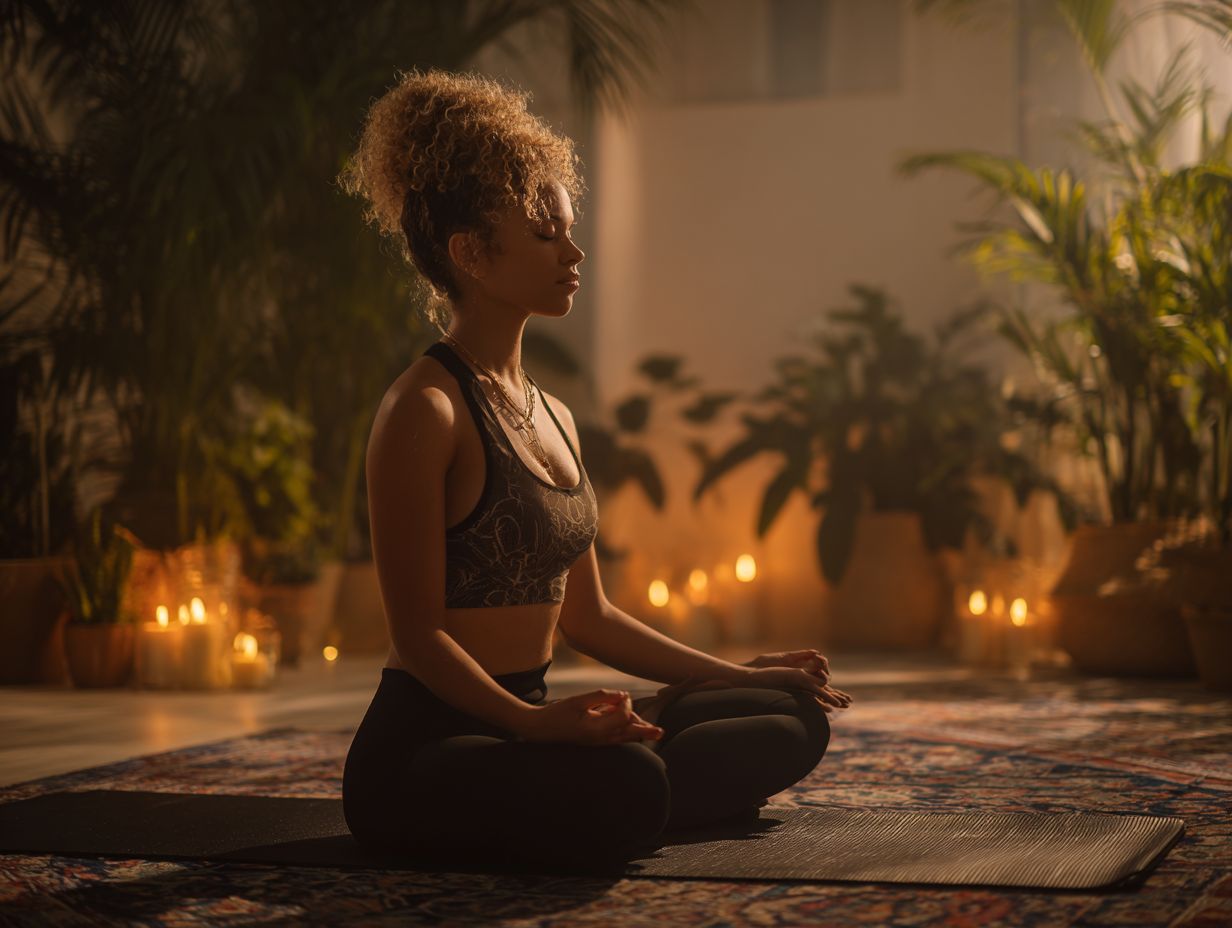
Research indicates that practicing mindfulness can significantly increase gray matter density in the brain areas associated with memory and emotional regulation, as demonstrated by a study conducted by neuroscientists at Harvard.
An eight-week Mindfulness-Based Stress Reduction (MBSR) program can result in noteworthy changes in brain structure. Findings published in the journal Psychiatry Research: Neuroimaging revealed that participants showed an increase in gray matter volume in the hippocampus, a region crucial for memory processing.
Incorporating daily mindfulness practices-like meditation, breathing exercises, or yoga-can further enhance these benefits. Engaging in regular mindfulness sessions, even if they last as little as 10 minutes a day, fosters emotional stability and enhances cognitive functions. This ultimately contributes to a healthier and more balanced mind.
Mindfulness Benefits for Mental Health
Mindfulness practices have been shown to significantly reduce symptoms of anxiety and depression, with research indicating that patients undergoing mindfulness training can experience up to a 50% improvement in their conditions. A meta-analysis published in ‘JAMA Internal Medicine’ found that mindfulness-based therapies can lower anxiety levels by approximately 30% and enhance overall mood stability.
For those new to mindfulness, techniques such as guided meditation apps like Headspace or Calm can serve as a helpful introduction. Regular engagement in yoga can further reinforce these benefits, promoting mental resilience and well-being.
To achieve optimal results, it is advisable to practice mindfulness for at least 10-15 minutes each day, incorporating breathing exercises and body scans into the routine. Over time, these small, consistent practices can lead to a significant enhancement in emotional well-being.
Mindfulness Techniques for Stress Relief and Emotional Healing
Incorporating specific mindfulness techniques into one’s daily routine can significantly lower stress levels and improve overall well-being.
Breathing Exercises
Breathing exercises, such as the 4-7-8 technique, can effectively reduce stress levels within minutes, making them a valuable resource for immediate relief and improving emotional balance.
To practice the 4-7-8 method, begin by finding a comfortable seated position and fully exhaling through your mouth.
Next, inhale quietly through your nose for a count of four, hold your breath for a count of seven, and then exhale completely through your mouth for a count of eight. It’s beneficial to repeat this cycle four times.
If you prefer guided sessions, consider using apps like Calm or Headspace, which offer structured breathing exercises.
Research indicates that regular practice of these techniques can lower cortisol levels, allowing individuals to manage stress more effectively.
Body Scan Meditation
Body scan meditation is a valuable practice that promotes awareness of physical sensations, allowing individuals to identify areas of tension and effectively release stress throughout the body.
To engage in body scan meditation, it is advisable to begin by finding a quiet and comfortable space. You can either lie down or sit, closing your eyes to minimize distractions.
Start by directing your attention to your toes, paying close attention to any sensations, tension, or relaxation you may feel. Gradually work your way up through each part of your body-feet, legs, abdomen, chest, arms, and head-spending a few moments on each area to fully observe your physical state.
For additional support, consider exploring the free audio resources available on the Insight Timer app, which provides a variety of body scan meditations. Research indicates that these practices can significantly reduce stress and anxiety levels, thereby enhancing overall well-being.
Mindful Walking
Mindful walking transforms what may seem like a simple act into a meditative practice that enhances one’s presence and grounding, ultimately helping to alleviate stress.
To engage in mindful walking, begin by selecting a tranquil location, such as a local park or nature trail. As you walk, direct your attention to the sensations in your body-the connection of your feet with the ground, the rhythm of your breath, and the sounds in your environment.
Aim for a duration of 20 to 30 minutes, allowing your mind to settle. Research suggests that spending time outdoors can significantly reduce anxiety levels and improve mood, making places like Central Park or nearby trails excellent choices for this practice.
By incorporating regular mindful walks into your routine, you can greatly enhance your overall mental well-being and cultivate stress awareness.
Incorporating Mindfulness into Daily Life
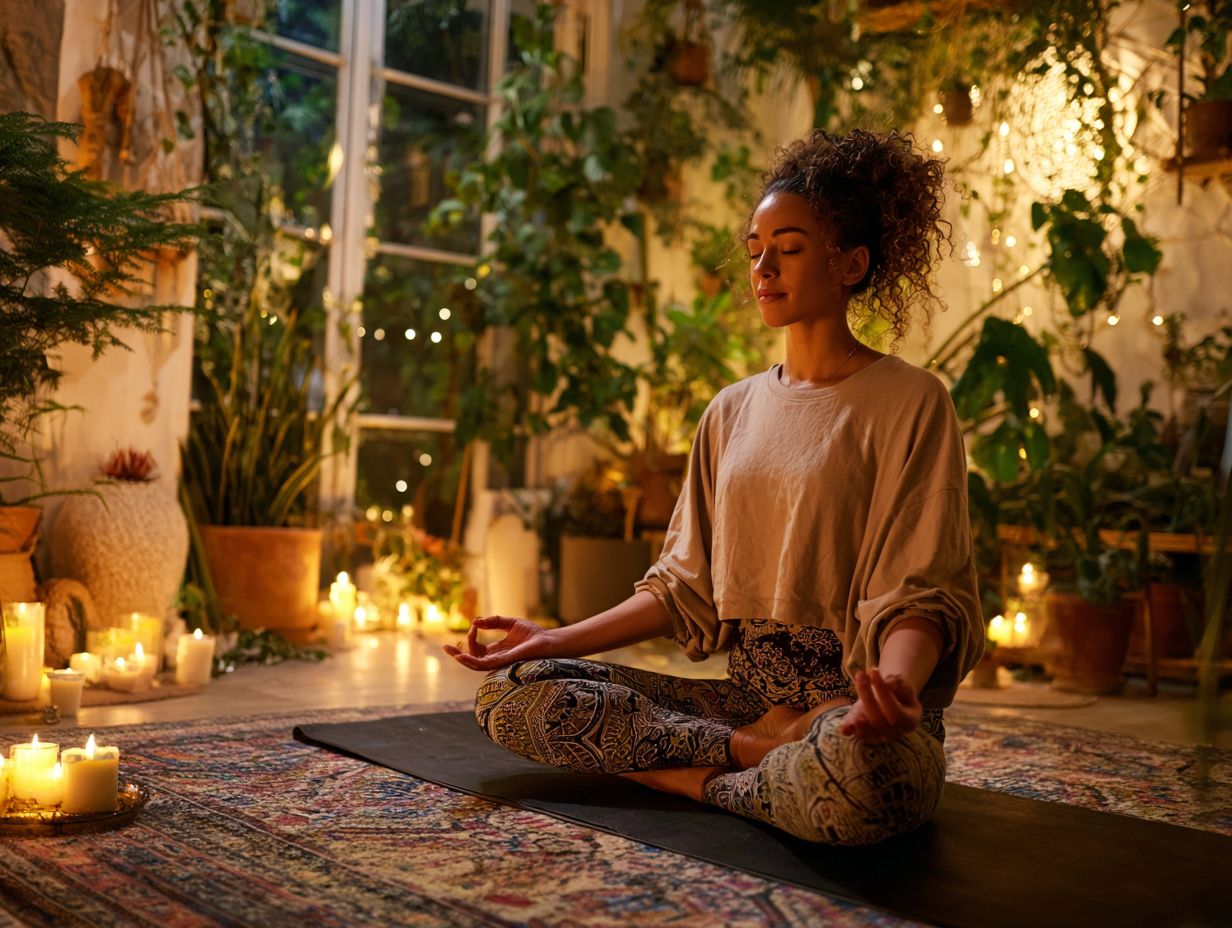
Incorporating mindfulness exercises into one’s daily routine can foster sustainable habits that enhance mental clarity and aid in stress management skills.
This practice encourages individuals to cultivate a greater awareness of their thoughts and feelings, ultimately contributing to a more balanced and focused mindset and mental peace.
Creating a Mindful Routine
Establishing a mindful routine can be quite straightforward, such as dedicating just 10 minutes each morning to meditation or personal reflection. To enhance this practice, you might consider using the Daylio app to track your moods and activities. Begin by selecting a quiet space that is free from distractions.
Incorporating breathing exercises for a few minutes can be beneficial, followed by transitioning into a guided meditation through apps like Headspace or Calm. After your session, it can be helpful to jot down any thoughts or feelings in Daylio, allowing you to identify patterns over time.
Striving to maintain this routine at least five times a week can foster consistency and deepen your mindfulness practice, enhancing your lifestyle changes.
Mindfulness at Work
Implementing mindfulness practices in the workplace can significantly enhance productivity and reduce stress levels, with research indicating that employee engagement can increase by as much as 30%. To effectively integrate mindfulness, organizations such as Google and Aetna have established structured programs.
Utilizing tools like Headspace for Work, which offers guided meditations specifically designed to alleviate anxiety and improve concentration, can be quite beneficial. Additionally, organizing mindfulness workshops and creating quiet spaces for meditation can contribute to fostering a more supportive environment.
It is also advisable to encourage employees to take short breaks for deep breathing exercises. Even something as simple as stepping away from their desks for a few minutes can make a remarkable difference.
This multifaceted approach not only promotes individual well-being but also helps cultivate a healthier organizational culture, enhancing the mind-body connection.
Challenges and Misconceptions
Despite the benefits of mindfulness, many individuals encounter challenges and misconceptions that can impede their practice, such as stress triggers.
Common Barriers to Practice
Common barriers to mindfulness practice include time constraints, skepticism, emotional distress, and challenges with maintaining focus during sessions.
To address time constraints, one might consider starting with just five minutes of guided mindfulness each day, utilizing apps like Headspace or Calm. These platforms provide structured sessions that gradually increase in length, allowing for a smooth transition into longer practices.
If skepticism presents itself, it can be beneficial to explore mindfulness research that highlights the advantages of mindfulness, such as reduced stress and enhanced focus.
For those struggling with focus, the Pomodoro technique may be useful: meditate for five minutes, followed by a short break before continuing. This approach divides practice into manageable segments, making it easier to maintain consistency over time.
Debunking Myths
Myths surrounding mindfulness, such as the notion that it necessitates emptying the mind, can discourage individuals from embarking on their mindfulness journey. In truth, mindfulness is about concentrating on the present moment without judgment, rather than striving to achieve a blank state of mind.
For instance, busy professionals like Sarah have discovered that dedicating just five minutes a day to mindful breathing can significantly enhance their productivity.
Tools such as Headspace and Calm offer guided sessions designed to help beginners ease into the practice. Additionally, real testimonials emphasize that distractions are indeed a part of mindfulness; recognizing them is a crucial step in the process.
Ultimately, beginning with short, consistent practices tends to be more effective than attempting to meditate for extended periods.
Resources for Further Learning

There is a wealth of resources available for individuals seeking to expand their mindfulness practice, including books, apps, online courses, and mindfulness community connections.
For insightful reading, consider diving into “The Miracle of Mindfulness” by Thich Nhat Hanh, which introduces practical techniques to cultivate mindfulness in everyday life.
You may also find value in “Wherever You Go, There You Are” by Jon Kabat-Zinn, as it offers thoughtful reflections on the practice of mindfulness.
Additionally, apps such as Headspace and Calm provide guided meditations tailored to various skill levels, making mindfulness easily accessible at any time, supporting self-care and stress relief techniques.
If you prefer structured learning, take a look at Coursera’s “Mindfulness for Well-Being” course, which effectively combines theoretical knowledge with practical exercises, give the power toing you to integrate mindfulness seamlessly into your daily routines.
Encouragement to Practice
Starting a mindfulness practice may initially seem overwhelming, but dedicating just a few minutes each day can lead to substantial improvements in mental health and overall well-being.
To begin, consider simple techniques such as mindful breathing or guided meditation. For example, you might find apps like Headspace or Calm particularly helpful, as they offer structured sessions that last anywhere from 5 to 10 minutes.
Establishing a specific time each day-perhaps first thing in the morning or during your lunch break-can help create a consistent routine, encouraging mindfulness in daily life.
Over the next 30 days, aim to gradually increase the duration of your practice, with a target of reaching 15 minutes by the end of the challenge. Remember, small and consistent efforts can greatly enhance your mindfulness and effectively reduce stress.
Frequently Asked Questions
What is mindfulness and how does it help with stress relief in today’s modern world?
Mindfulness is the practice of being present and aware of one’s thoughts, emotions, and surroundings. In today’s modern world, where there is constant stimulation and pressure, practicing mindfulness can help reduce stress and promote a sense of calm and clarity.
How does mindfulness differ from other stress-relieving techniques?
Mindfulness is unique in that it focuses on being in the present moment, rather than trying to escape or distract from stress. By acknowledging and accepting stress and its triggers, mindfulness allows for a deeper understanding and a more peaceful response to stress.
Can anyone practice mindfulness for stress relief, or does it require a specific set of skills?
Anyone can practice mindfulness for stress relief, as it is a simple and accessible technique. It does not require any special skills or training, just a willingness to be present and aware of one’s thoughts and surroundings.
What are some practical ways to incorporate mindfulness into a busy modern lifestyle?
Incorporating mindfulness into a busy modern lifestyle can be as simple as taking a few moments to focus on the breath, practicing gratitude, or engaging in mindful activities such as yoga or meditation. Setting aside even just a few minutes a day can make a significant impact on stress levels.
How does mindfulness for stress relief impact overall well-being and mental health in a modern society?
Practicing mindfulness for stress relief has been shown to improve overall well-being and mental health in modern society. By reducing stress and promoting a sense of calm and clarity, mindfulness can help decrease the risk of developing mental health issues such as anxiety and depression.
Are there any potential challenges or obstacles in incorporating mindfulness for stress relief in a modern world?
One potential challenge in incorporating mindfulness for stress relief in a modern world is finding the time and space to practice it. However, with dedication and determination, even a few minutes of mindfulness can make a difference in reducing stress and promoting well-being.